No te vayas sin conocer la historia Suscribete
IAudioGuia iaudioguia
Audio Guides of Iquique

Audio Guide of Volcán Isluga National Park

Vasto territorio altiplánico en el norte de Chile, con el imponente volcán Isluga, comunidades aimaras ancestrales, iglesias coloniales y una rica biodiversidad andina.

✓ What guidebooks don't tell you
✓ Secrets other tourists miss
✓ Listen while you explore
Discover everything
00:00
00:00

📖 Audio Guide Chapters

6 chapters

1. Introduction and History

🔒 Premium Content

Subscribe to access all chapters of this audio guide.

2. Architecture and Design

🔒 Premium Content

Subscribe to access all chapters of this audio guide.

3. Art and Decoration

🔒 Premium Content

Subscribe to access all chapters of this audio guide.

4. Historical Figures

🔒 Premium Content

Subscribe to access all chapters of this audio guide.

5. Curiosities and Legends

🔒 Premium Content

Subscribe to access all chapters of this audio guide.

6. Cultural Importance and Legacy

🔒 Premium Content

Subscribe to access all chapters of this audio guide.

❓ Frequently Asked Questions

What are the opening hours and how can I reach Volcán Isluga National Park from Iquique?

The park is open year-round from 8:30 a.m. to 6:00 p.m., but it is recommended to check with the National Forest Corporation due to weather conditions. From Iquique, take Route 16 toward Colchane (about 200 km, 4–5 hours); use a 4x4 vehicle and obtain a free permit at the National Forest Corporation office in Pozo Almonte. More information is available on the official National Forest Corporation website.

How much is the entrance fee to Volcán Isluga National Park? Is it free?

Admission is free for all visitors, both Chilean and international. No payment is required, only an entry permit, which is processed free of charge at National Forest Corporation offices. Check updates on the official website.

How much time is needed to visit Volcán Isluga National Park?

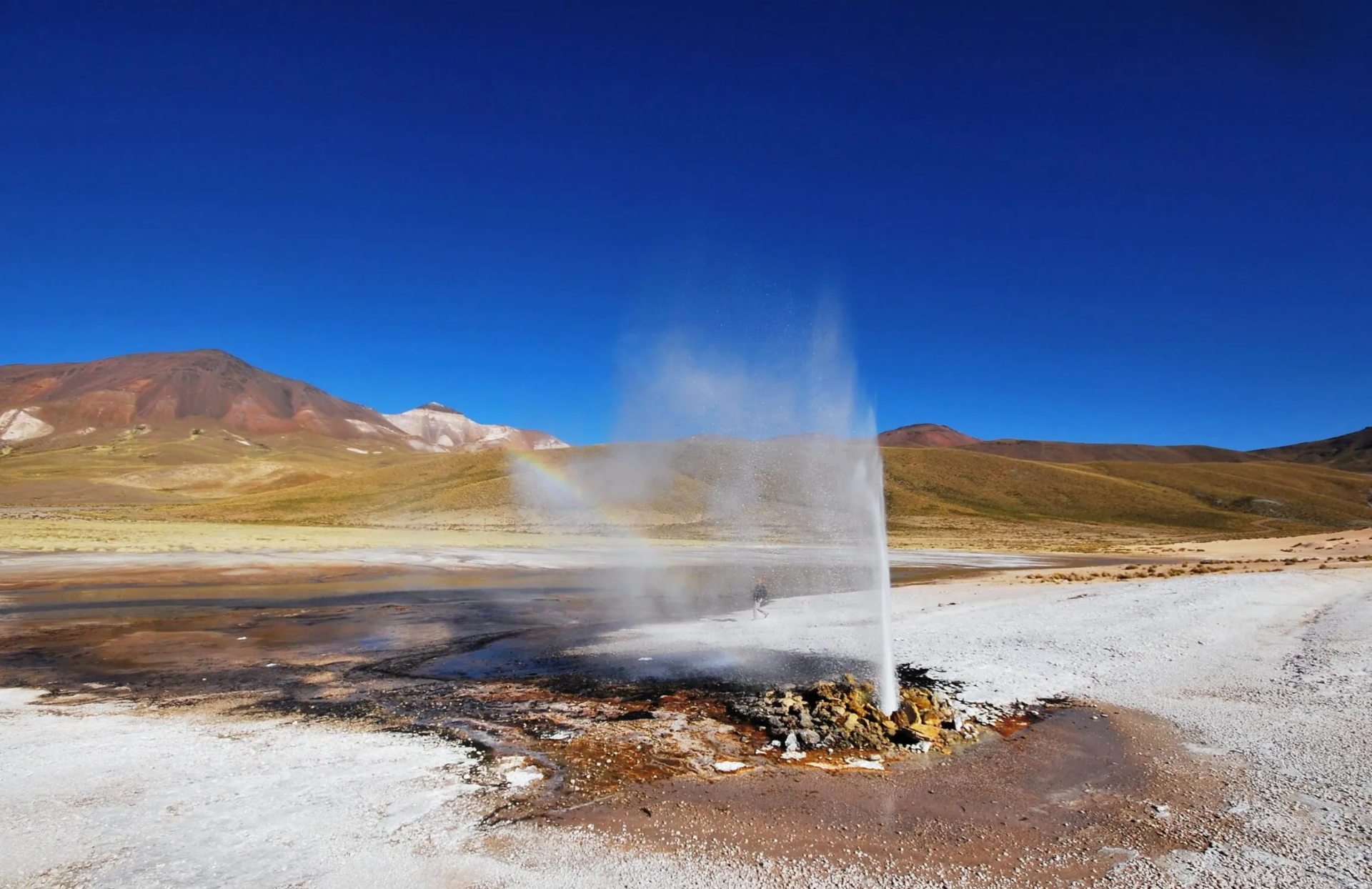
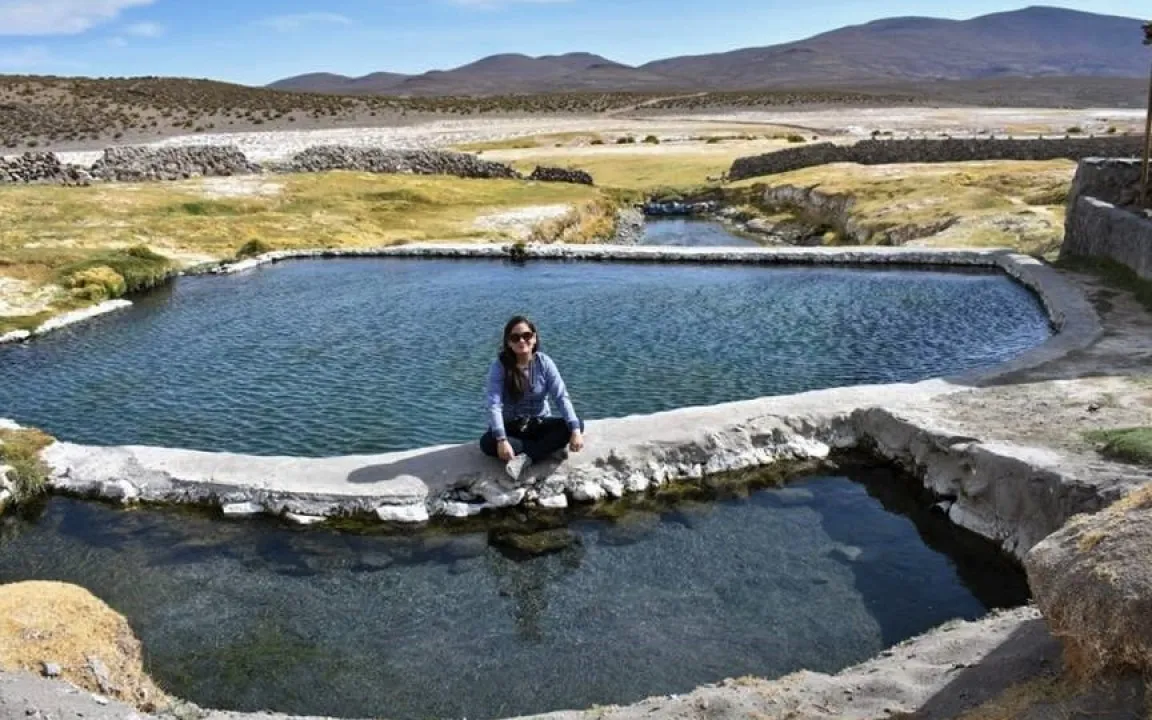
It is recommended to spend at least one full day exploring the main attractions such as the volcano and the hot springs, or 2 days if you want to camp. Internal distances are long, so plan calmly to enjoy the visit without rushing.

What is the history or cultural importance of Volcán Isluga National Park?

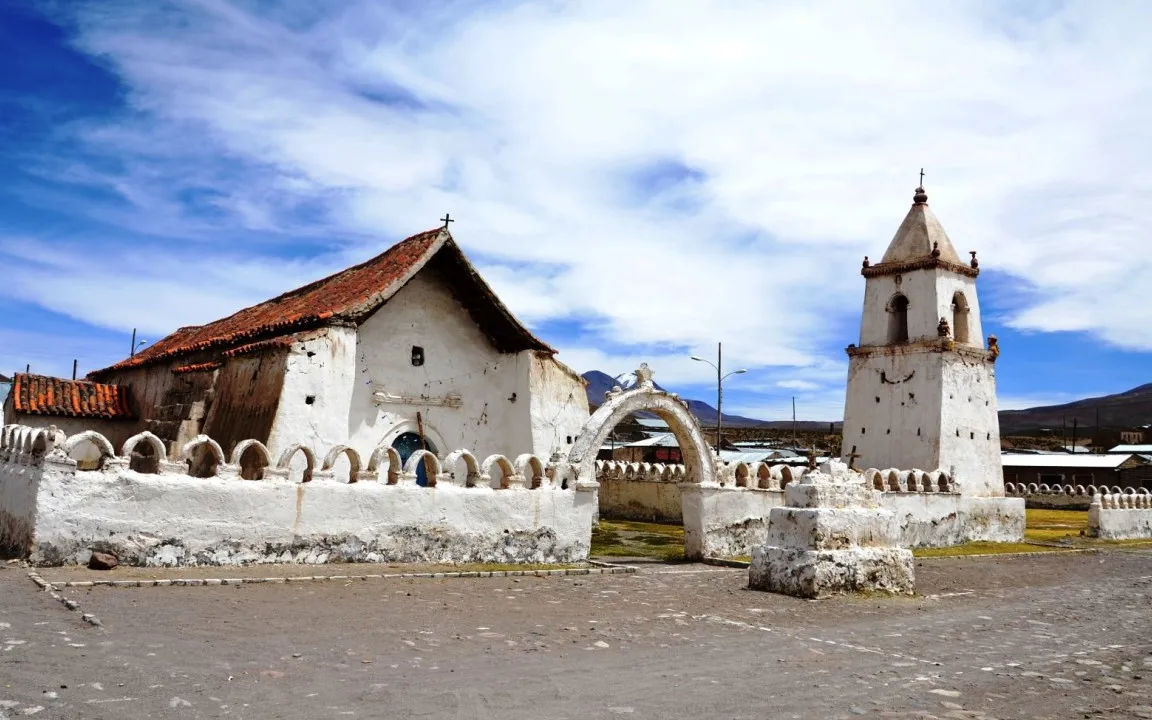
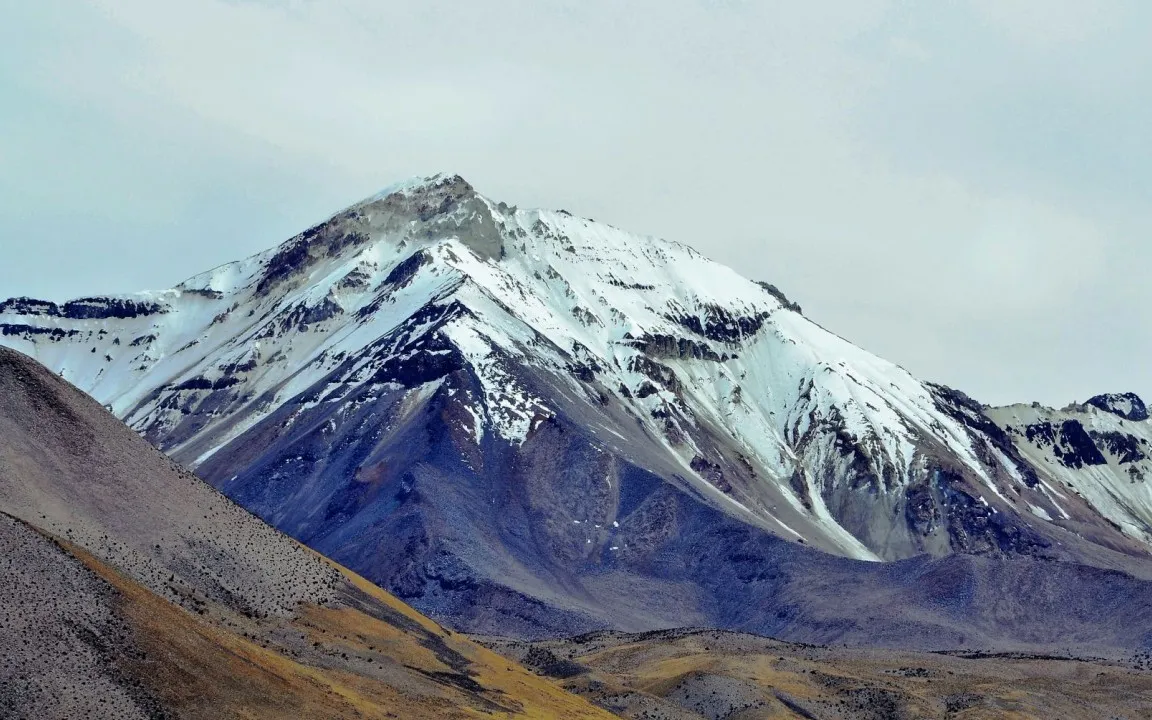
The park is sacred to local Aymara communities, home to the Isluga volcano, considered a Pachakamaq (creator). It protects unique high-altitude ecosystems and pre-Columbian archaeological sites, highlighting the rich Indigenous heritage of the Tarapacá Region.

What is the best time to visit Volcán Isluga National Park?

The austral summer (December to March) is ideal because of the drier weather and pleasant temperatures. Visit at sunrise or sunset to see the snow-capped volcano in the best light and with less wind.

Is Volcán Isluga National Park accessible for people with reduced mobility?

The terrain is rugged, with gravel roads and high altitude (4,000 meters above sea level), so it is not suitable for wheelchairs or reduced mobility. Assistance or adapted guided visits are suggested; contact the National Forest Corporation at +56 9 8334 0424 for options.

What other attractions are near Volcán Isluga National Park?

Nearby are Surire Salt Flat with flamingos, the Polloquese Hot Springs, and Lauca National Park with Parinacota Volcano. You can also visit the village of Isluga for Aymara culture; distances are 1–2 hours by car.

What are some practical tips for my visit to Volcán Isluga National Park?

Bring plenty of water, sunscreen, warm clothing for cold nights, and food, as there are no services inside. Respect the high altitude by acclimatizing beforehand and obtain your National Forest Corporation permit in advance. Bring extra fuel because of the remote roads.

¿Prefieres escuchar en español?

🇪🇸 Escucha la audioguía de Volcán Isluga National Park en español