No te vayas sin conocer la historia Suscribete
IAudioGuia iaudioguia
Audio Guides of Iquique

Audio Guide of Pampa del Tamarugal National Reserve

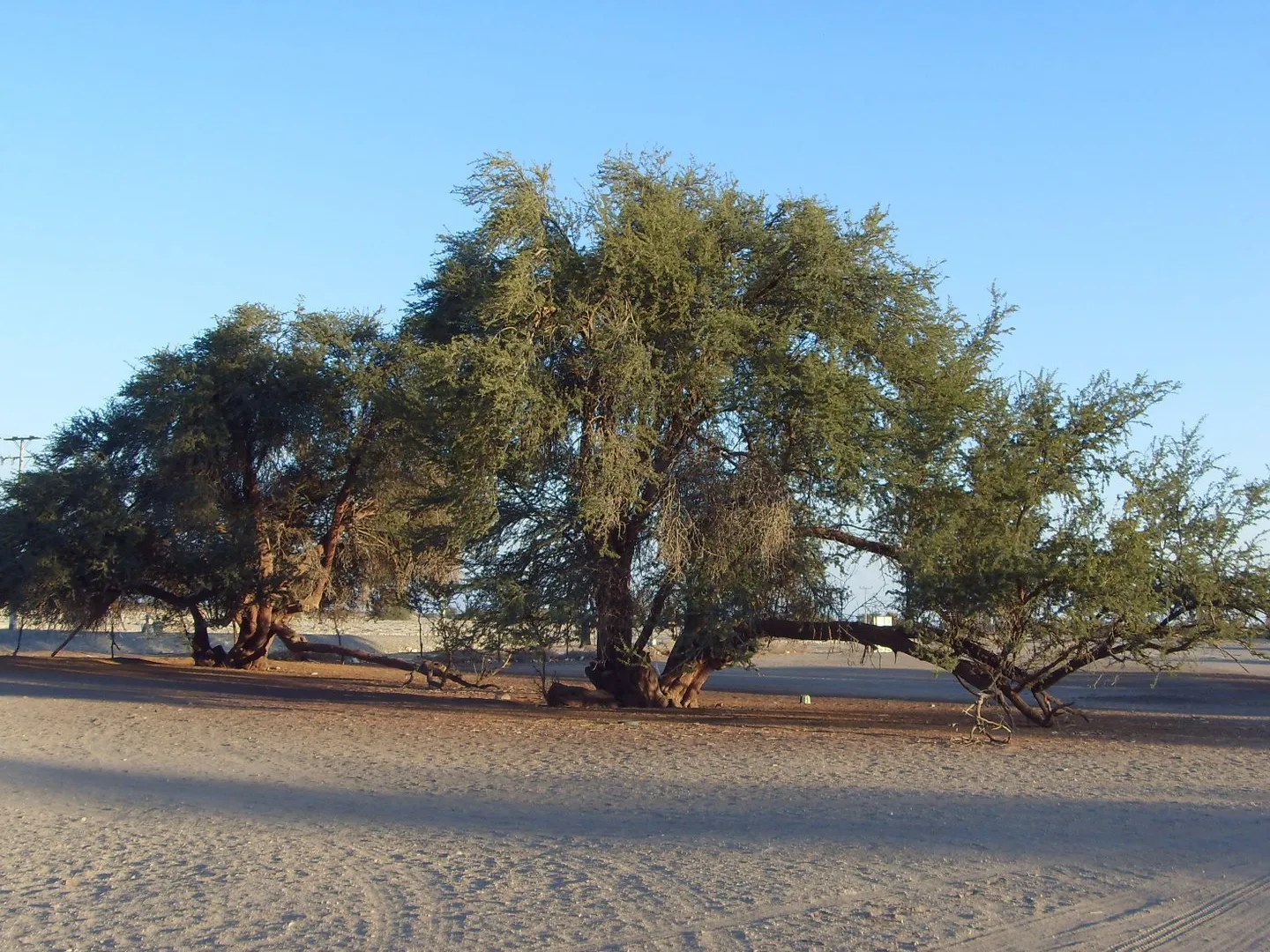
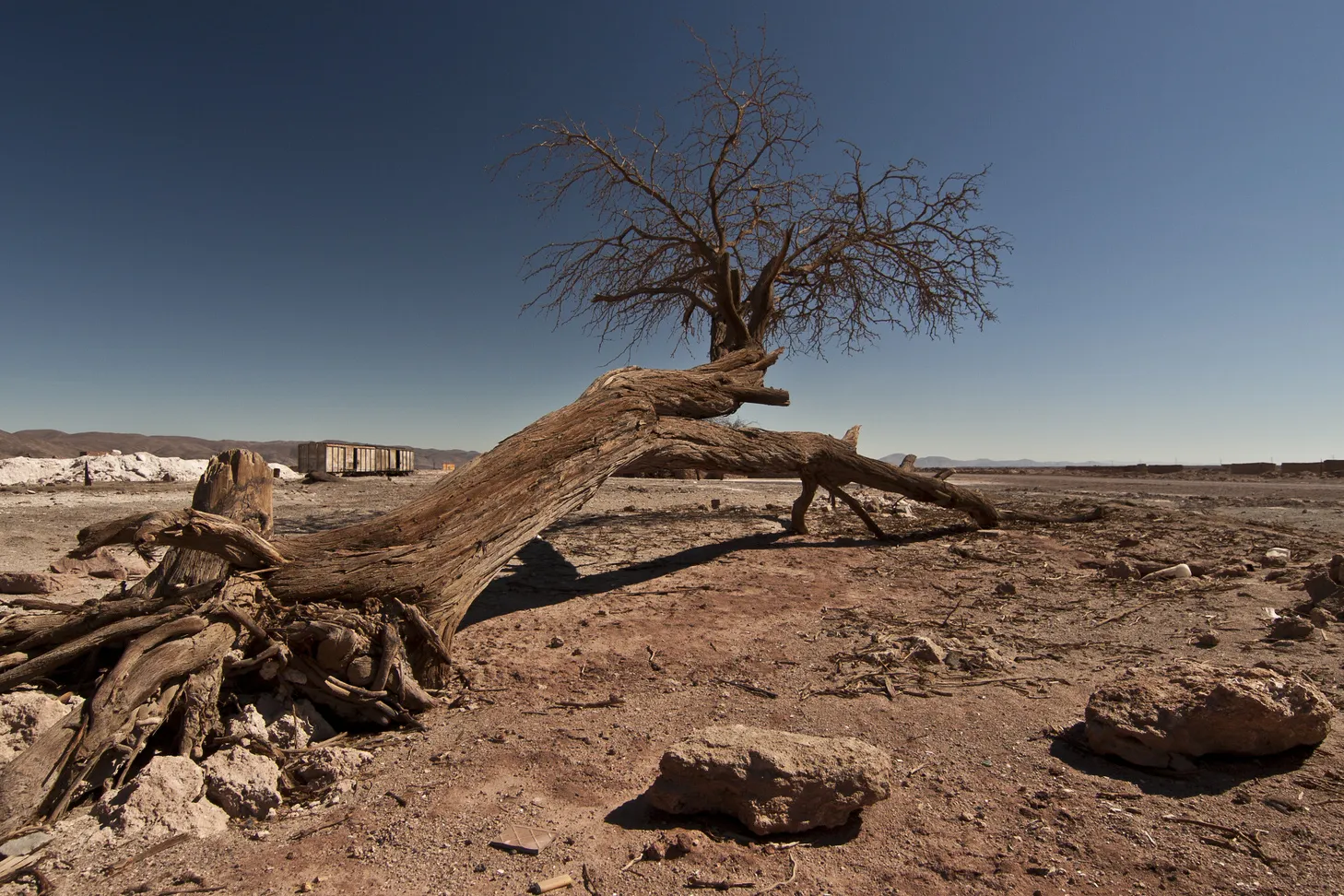
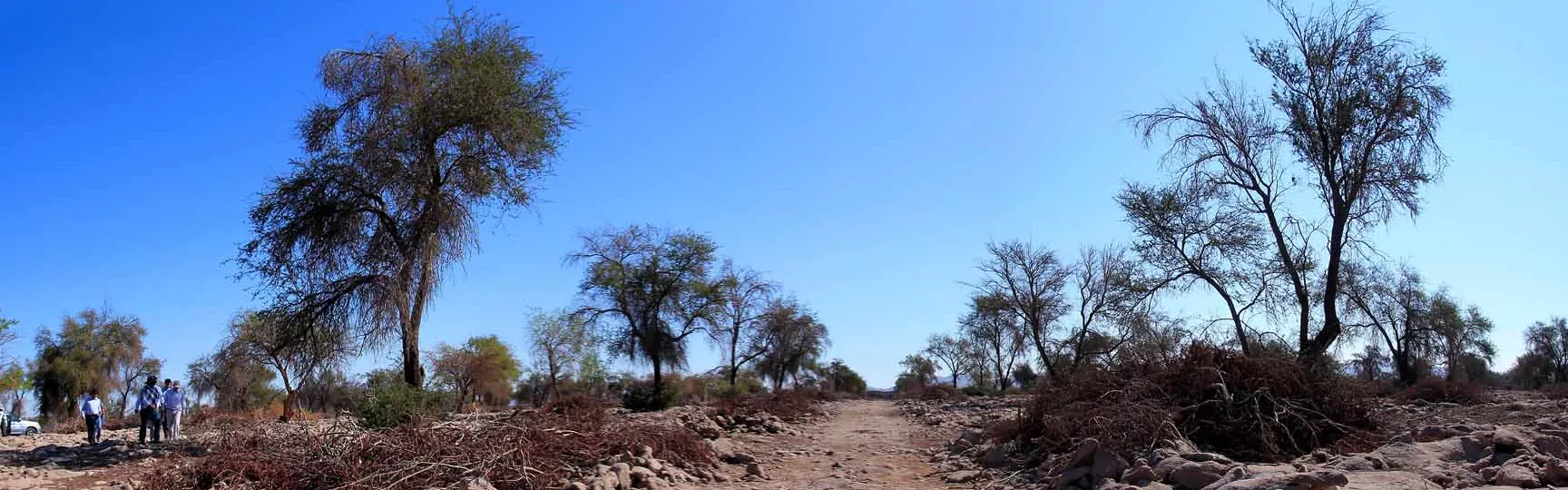
A unique desert ecosystem where the tamarugo, a native tree of great value, has survived and thrived in extreme conditions, shaping the history and culture of northern Chile.

✓ What guidebooks don't tell you
✓ Secrets other tourists miss
✓ Listen while you explore
Discover everything
00:00
00:00
Rate this audio guide

📖 Audio Guide Chapters

6 chapters

1. An Oasis in the Desert: The Birth of Pampa del Tamarugal

🔒 Premium Content

Subscribe to access all chapters of this audio guide.

2. Natural Architecture: The Tamarugo’s Adaptation

🔒 Premium Content

Subscribe to access all chapters of this audio guide.

3. The Desert Palette: Colors and Textures of a Unique Ecosystem

🔒 Premium Content

Subscribe to access all chapters of this audio guide.

4. Guardians of the Desert: The Plain’s Wildlife and Its Inhabitants

🔒 Premium Content

Subscribe to access all chapters of this audio guide.

5. The Desert Speaks: Stories of the Past and the Future

🔒 Premium Content

Subscribe to access all chapters of this audio guide.

6. Legacy and Resilience: The Current Relevance of Pampa del Tamarugal

🔒 Premium Content

Subscribe to access all chapters of this audio guide.

❓ Frequently Asked Questions

What are the opening hours and how can I get to Pampa del Tamarugal National Reserve?

The reserve is open to the public from Tuesday to Sunday, from 9:00 a.m. to 5:00 p.m. To get there, you can take Route 15 from Iquique to Pozo Almonte and then follow the signs; a private vehicle is recommended because of the desert terrain. More details are available on the official CONAF website.

How much is the entrance fee to Pampa del Tamarugal National Reserve?

Admission is free for all visitors, as it is managed by CONAF and there is no access fee. However, if you hire a guide or use additional services, there may be extra costs. Check for updates on the CONAF website.

How much time is recommended for a visit to Pampa del Tamarugal National Reserve?

A typical visit lasts between 2 and 3 hours, enough time to explore the trails and the tamarugo trees. If you are interested in photography or light hiking, you could extend it to half a day. Plan according to your pace so you do not get exhausted in the desert heat.

What is the history or cultural importance of Pampa del Tamarugal National Reserve?

The reserve was created in 1963 to protect tamarugo trees planted in the 19th century, which were used as firewood for the nitrate industry on the saltpeter plain. It represents a pioneering reforestation effort in the Atacama Desert and reflects the economic history of Chile’s northern region. It is a symbol of human adaptation to an arid environment.

What is the best time of year or time of day to visit Pampa del Tamarugal National Reserve?

The best period is spring (September to November) or autumn (March to May), when temperatures are milder, around 20–30°C. Visit early in the morning to avoid the intense midday heat and enjoy the natural light. Avoid the height of summer if you do not tolerate hot desert conditions well.

Is Pampa del Tamarugal National Reserve accessible for people with reduced mobility?

Access is limited due to the sandy terrain and uneven trails, but there are main areas near the entrance that can be explored with a wheelchair or walker. It is recommended to contact CONAF at +56 9 8235 5540 to arrange assistance or adapted routes. It is not ideal for severe disabilities without support.

What other attractions can I see near Pampa del Tamarugal National Reserve?

Nearby, visit the Humberstone and Santa Laura Saltpeter Works, a UNESCO World Heritage Site about 45 km away, or the Huara Salt Flat for stunning desert landscapes. Pozo Almonte offers museums about saltpeter history. Combine your itinerary for a full day in the Tarapacá Region.

What practical tips can help me make the most of my visit to Pampa del Tamarugal National Reserve?

Bring plenty of water, sunscreen, and a hat, as the desert is dry and the sun is intense; wear comfortable shoes for the trails. Download the CONAF map before you go and consider joining a guided tour to learn more about the flora. Respect the rules and do not leave any trash behind in order to preserve the ecosystem.

¿Prefieres escuchar en español?

🇪🇸 Escucha la audioguía de Pampa del Tamarugal National Reserve en español