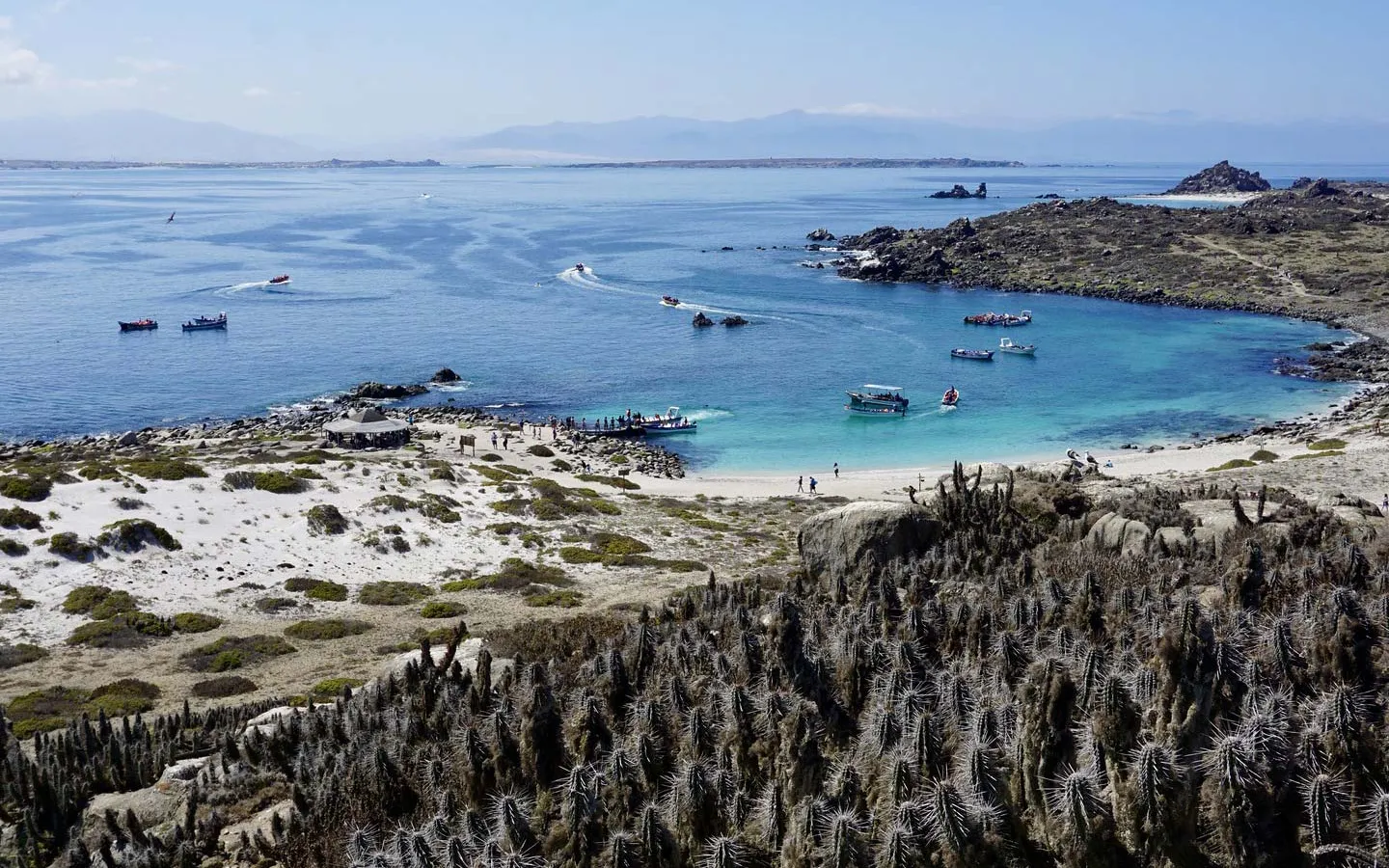
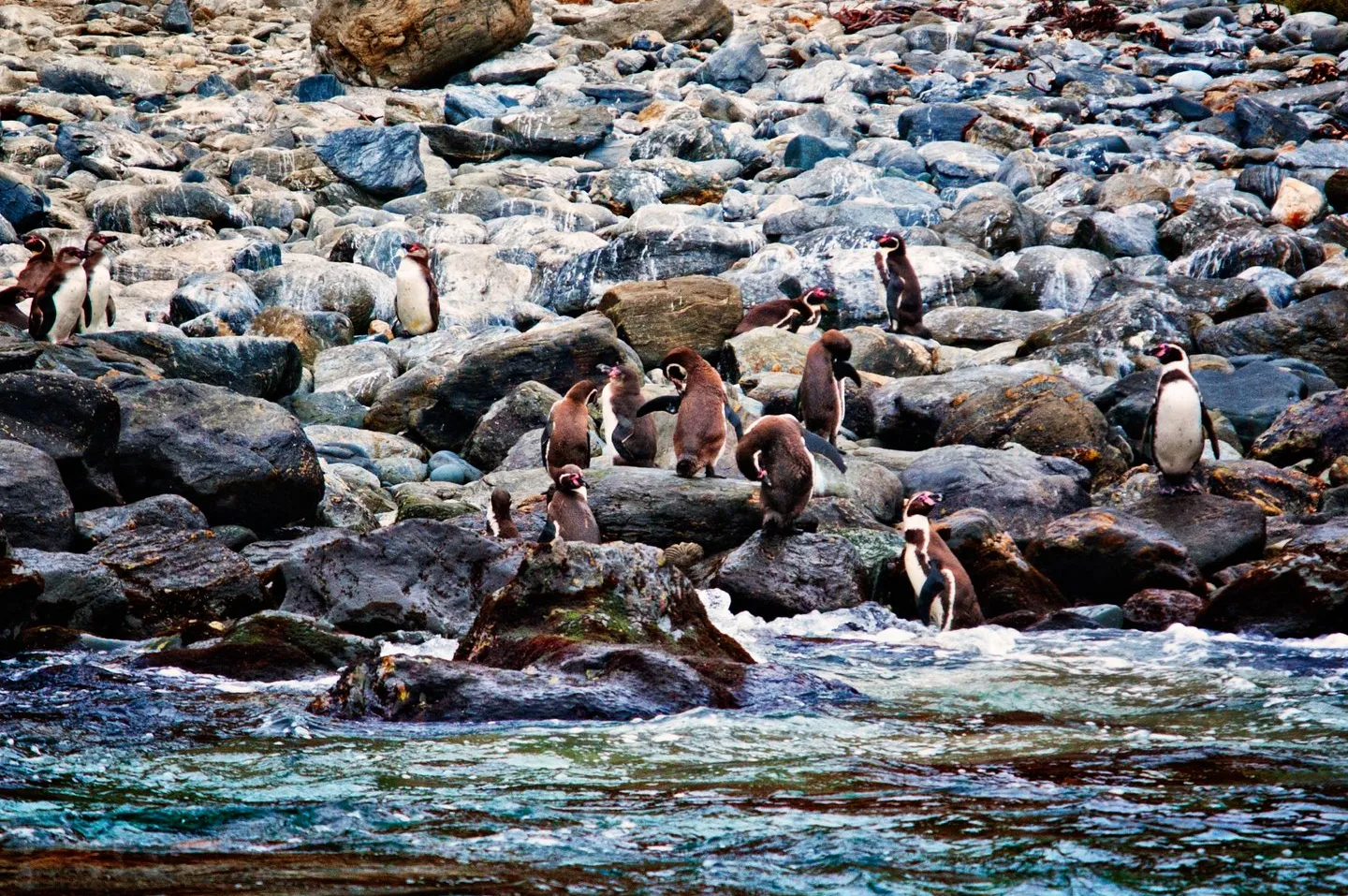
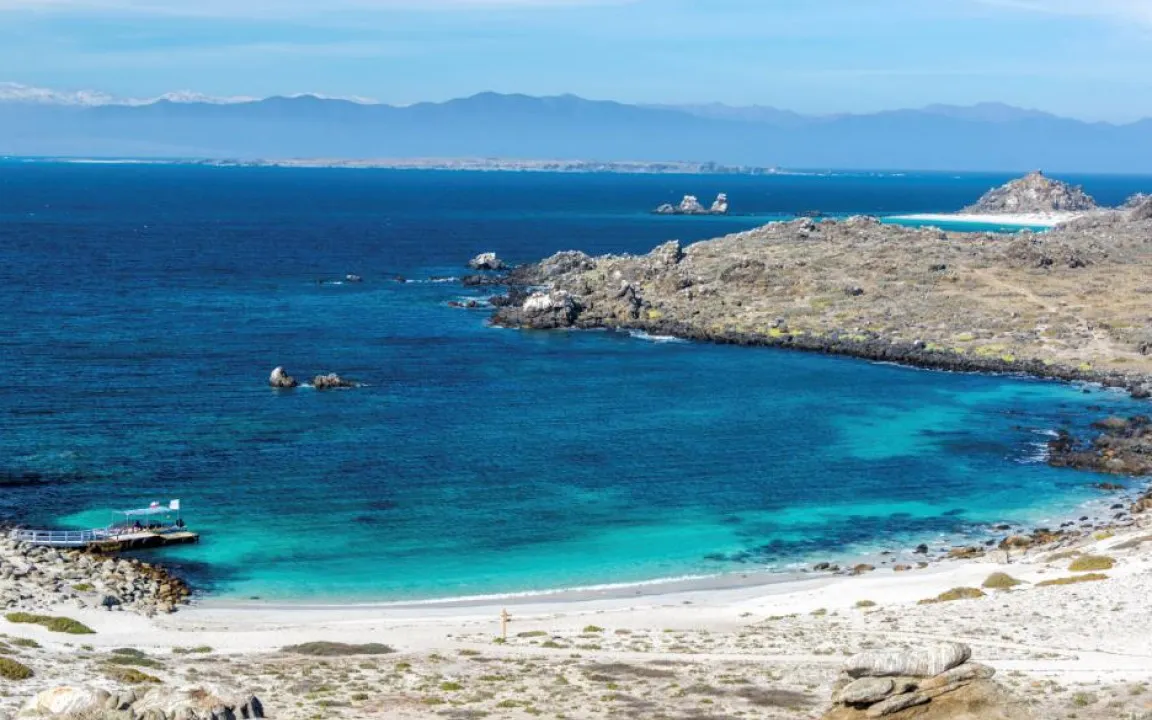
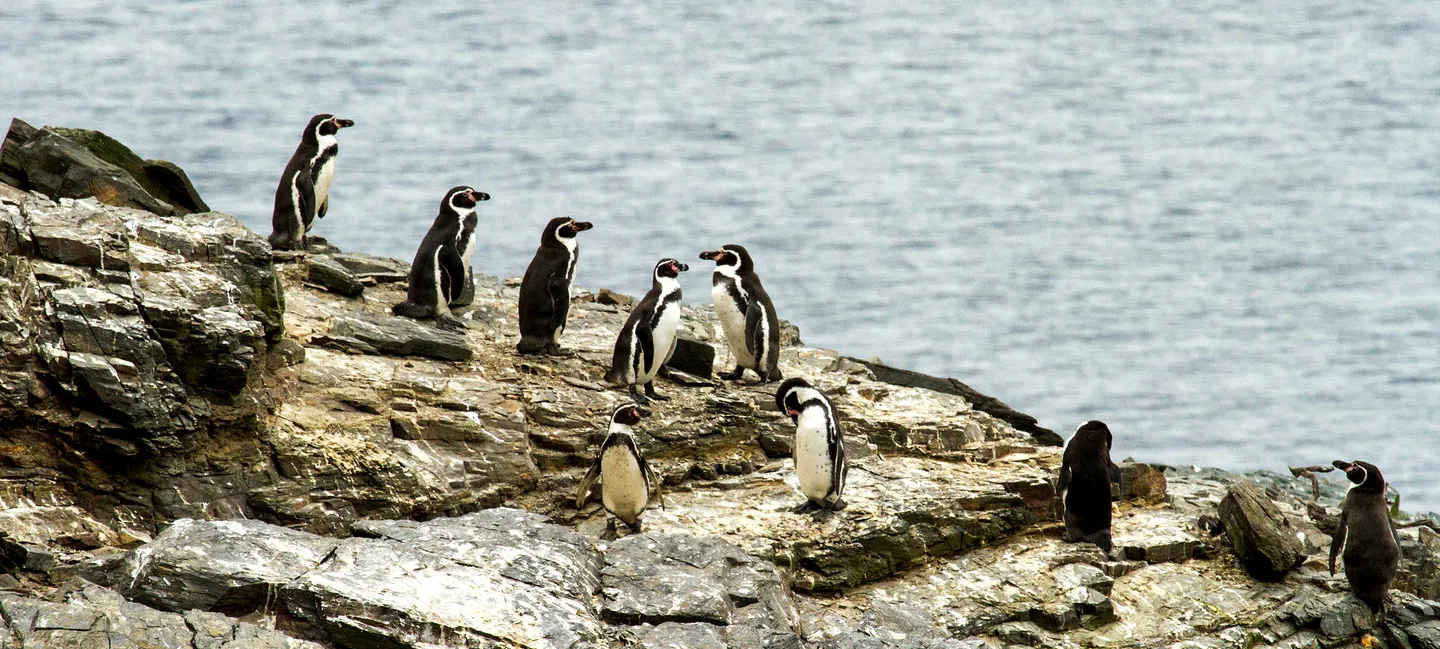
A marine sanctuary that protects biodiversity, home to the Humboldt penguin and a vibrant marine ecosystem.
Humboldt Penguin National Reserve does not have a fixed opening time on the islands, as access is provided through guided boat tours. Tours usually depart from Punta de Choros Cove or Los Hornos Cove, about 120 km north of La Serena. It is essential to check with local tour companies for departure times, which vary depending on the season and demand. You can find useful information on the CONAF website: Humboldt Penguin National Reserve - CONAF.
Visits to the reserve are arranged through tour companies that offer boat trips to the islands. The cost is for the tour itself, which generally includes transportation and sometimes a guide. There is no separate direct entrance fee for the islands themselves, as there would be for a national park with a ticket office. We recommend contacting tour operators in Punta Choros directly for current prices, as they may vary.
Normally, a boat tour to the reserve lasts between 2 and 3 hours, including the round trip and the route around the islands. If you also want to enjoy the Punta Choros cove, have lunch with fresh seafood, or simply relax on the beach, I suggest allowing at least half a full day for the experience so you do not have to rush.
This reserve is crucial because it is one of the main nesting and breeding grounds of the Humboldt penguin, a vulnerable species. It is also home to incredible marine biodiversity, including sea lions, marine otters, guano birds, and occasionally dolphins. Its importance lies in the conservation of these unique marine ecosystems and in its role as a natural laboratory for research. It is one of Chile’s natural treasures. More information about its ecosystem value can be found at BCN - Humboldt Penguin National Reserve.
The best time to visit is usually during the spring and summer months, from September to March, when the weather is warmer and the sea is calmer, making boat trips easier. It is also the breeding season for many species, so animal activity is higher. In winter, tours may be more irregular due to bad weather.
Access to the boats and disembarkation on the islands, if allowed and included in the tours, which is not common on all islands in order to preserve the ecosystem, can be challenging for people with reduced mobility. The boats are not usually adapted, and sea conditions can make boarding difficult. The most advisable option is to contact tour operators directly in advance to ask about their facilities and the feasibility of the visit according to specific needs.
In addition to the reserve, Punta Choros is a charming fishing village where you can enjoy local cuisine, especially fresh seafood. Nearby, you can also visit Los Hornos Cove, another departure point for tours with beautiful beaches. If you are looking for something more, the Elqui Valley and its astronomical routes are a couple of hours inland, offering a completely different experience. The coastal area is ideal for relaxation and nature watching.
Of course, here are a few: Always bring sun protection such as a hat, sunglasses, and sunscreen, as well as a windproof jacket, even in summer, because it can feel cold at sea. Do not forget your camera with a good zoom lens to capture the penguins and sea lions. Book your tour in advance, especially in high season. And please always follow the guides’ instructions and CONAF regulations to protect the ecosystem and local wildlife.
¿Prefieres escuchar en español?
🇪🇸 Escucha la audioguía de Humboldt Penguin National Reserve en español