No te vayas sin conocer la historia Suscribete
IAudioGuia iaudioguia
Audio Guides of Los Angeles

Audio Guide of Salto del Laja

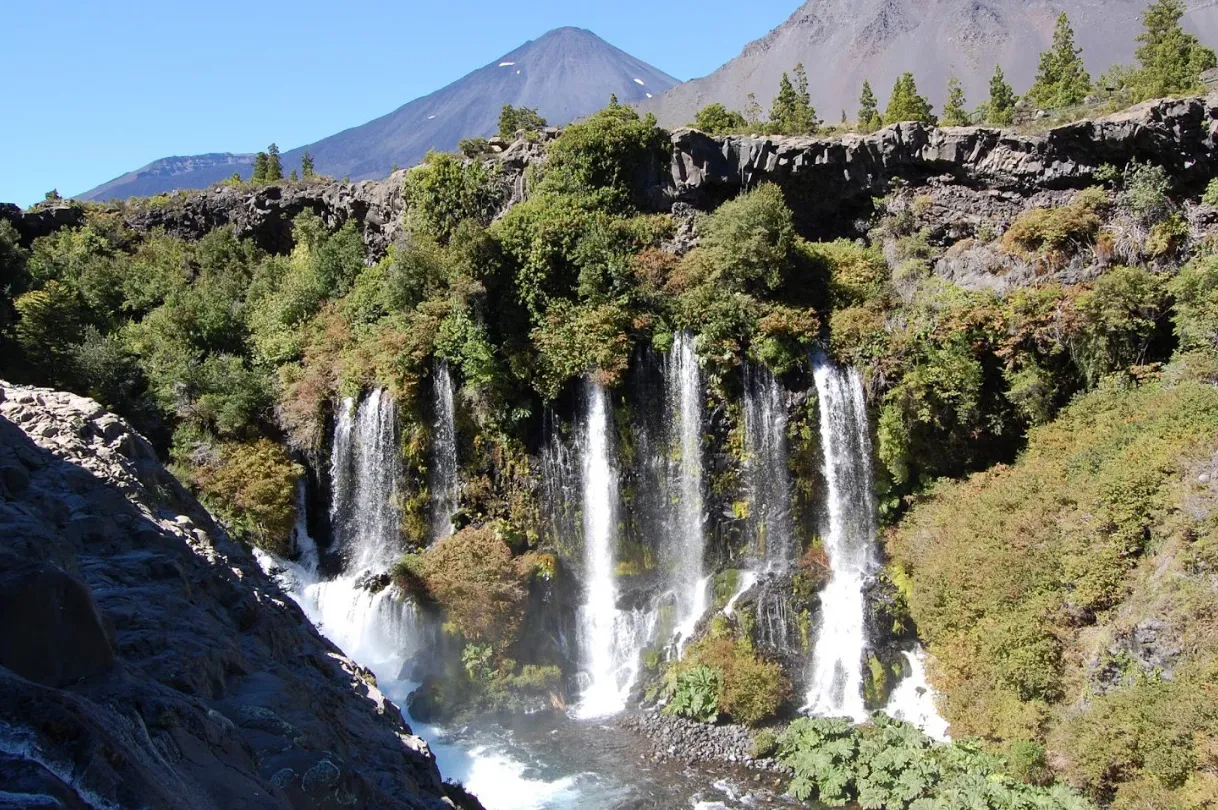
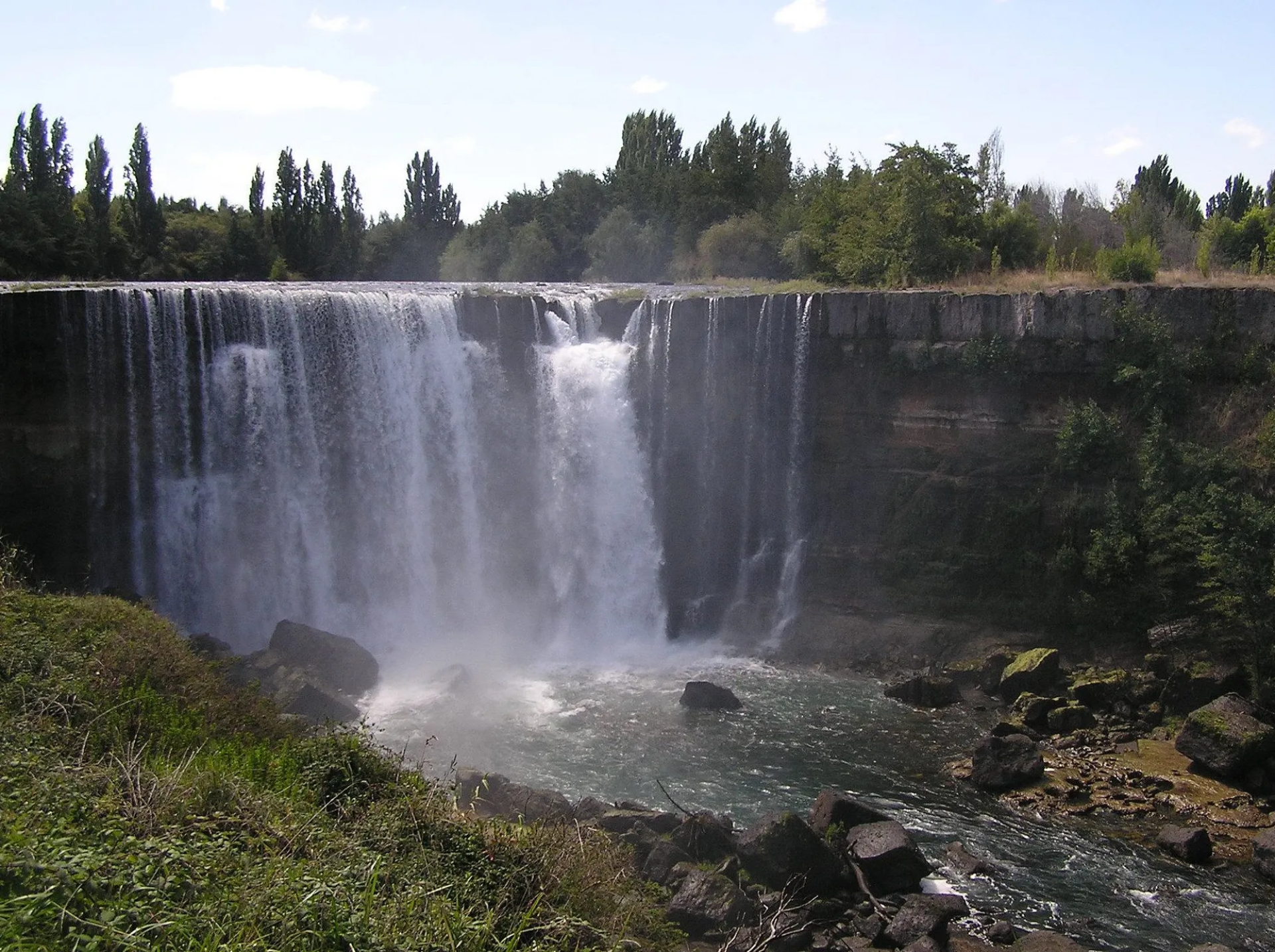
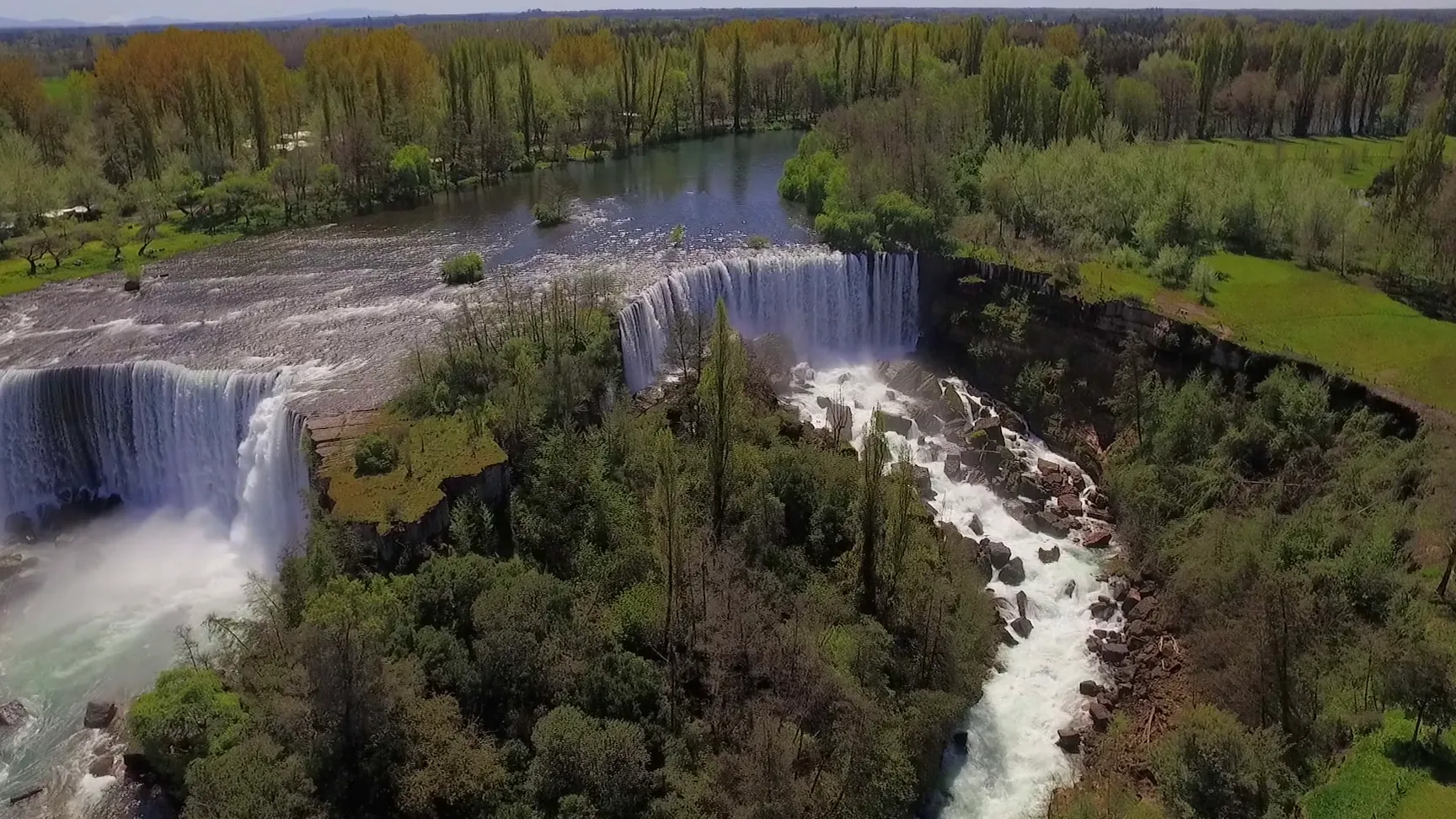
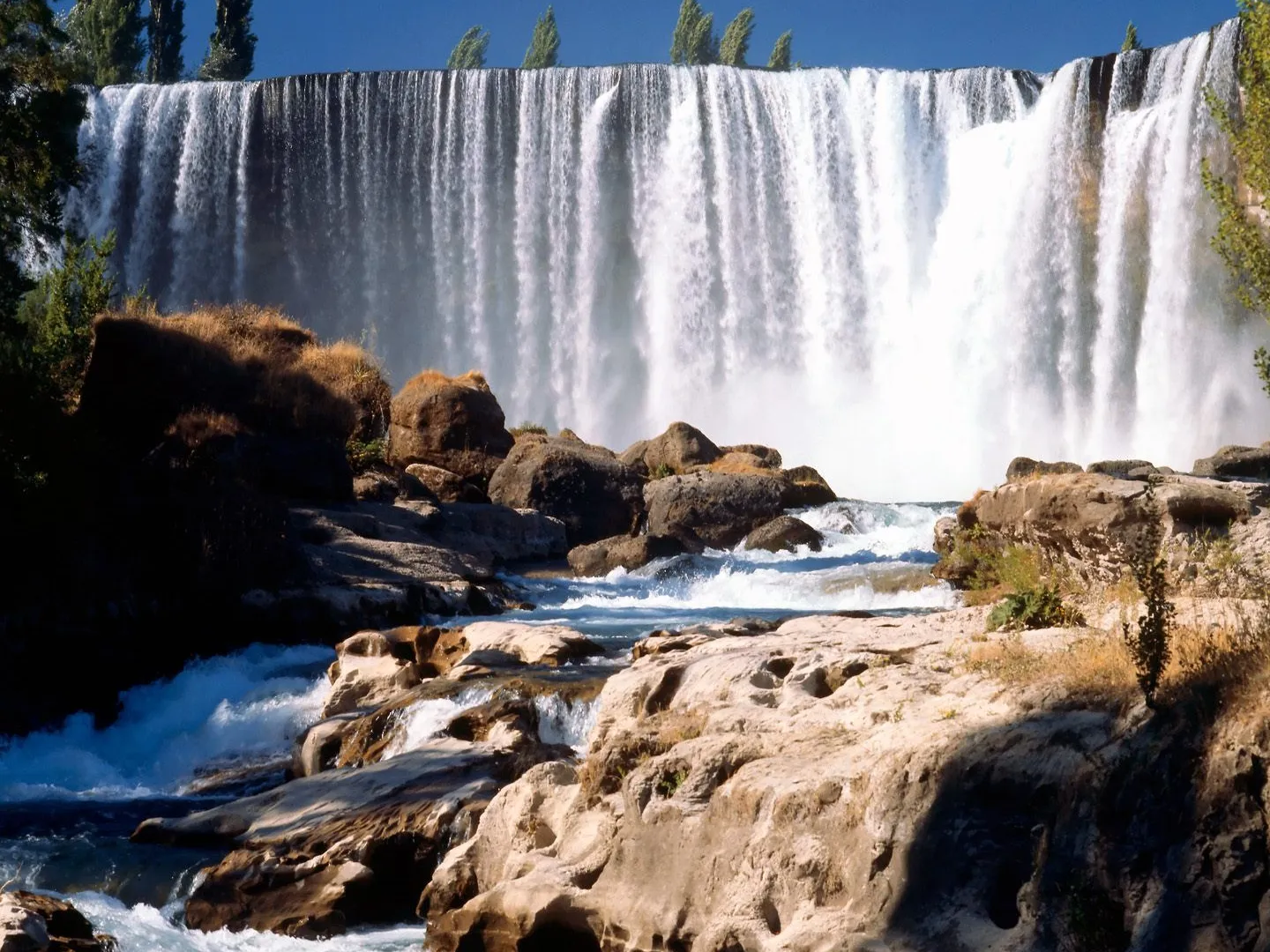
An impressive natural monument, Salto del Laja is a waterfall of stunning beauty made up of four cascades. Surrounded by lush vegetation and rocky formations, it is an essential tourist destination for those seeking to connect with nature and admire unforgettable landscapes in the Biobío Region of Chile.

✓ What guidebooks don't tell you
✓ Secrets other tourists miss
✓ Listen while you explore
Discover everything
00:00
00:00

📖 Audio Guide Chapters

6 chapters

1. Salto del Laja: The natural majesty that embraces you

🔒 Premium Content

Subscribe to access all chapters of this audio guide.

2. Geology and Formation: The art sculpted by water

🔒 Premium Content

Subscribe to access all chapters of this audio guide.

3. A natural canvas in constant change

🔒 Premium Content

Subscribe to access all chapters of this audio guide.

4. Testimonies in the flow of time

🔒 Premium Content

Subscribe to access all chapters of this audio guide.

5. Mysteries and whispers of the waterfall

🔒 Premium Content

Subscribe to access all chapters of this audio guide.

6. A legacy of nature and gathering

🔒 Premium Content

Subscribe to access all chapters of this audio guide.

❓ Frequently Asked Questions

What are the visiting hours and how do I get to Salto del Laja?

Access to the upper viewpoints is public and open 24/7, although commercial services generally operate from 09:00 to 20:00. It is located at kilometer 480 of Route 5 South; if you are coming by bus, there are rural terminals that drop you off right at the entrance to the falls.

Do you have to pay an entrance fee to see the waterfalls or is it free?

The panoramic view from the bridge and the upper craft walk is completely free. However, if you wish to go down to the riverbank or use the private trails and picnic areas, the campsites charge an entrance fee ranging from 3,000 to 5,000 CLP per person.

How much time should I plan for the visit?

For a quick stop, photos from the viewpoint and buying handicrafts, 45 minutes is enough. If you plan to go down to the base of the waterfall, take the boat ride and explore the trails, we recommend setting aside at least 2 hours to enjoy the full experience with our audio guide.

What history or cultural significance does this place have?

Known as the 'Pearl of Biobío', this area was historically a sacred place of worship for the Mapuche people and a social gathering point. In the past, it marked an impressive natural landmark on the boundary of indigenous lands before modern urbanization.

What is the best time of year to visit the Falls?

Summer (December to February) is ideal because of the warm weather, which lets you enjoy the water spray and boat rides. However, if you prefer to see the river at its fullest flow and avoid crowds, winter offers a stunning visual spectacle.

Is the site accessible for people with reduced mobility?

The upper area, which includes the main viewpoints, restaurants and craft fair, is flat and paved, making it wheelchair accessible. Unfortunately, the descent to the base of the waterfall is along dirt paths or steep stairs that are not suitable for reduced mobility.

What other nearby attractions can complement the trip?

About 30 km to the south you will find the city of Los Ángeles for full hotel services. For more nature, we recommend visiting Laguna del Laja National Park and the Antuco Volcano, located toward the mountains.

What practical tip should I know before going down to the river?

Always carry cash (Chilean pesos), since many small craft stalls and parking lots do not accept cards. Also, wear a raincoat or bring a change of clothes, because the wind tends to lift a lot of water as you approach the base of the waterfall.

¿Prefieres escuchar en español?

🇪🇸 Escucha la audioguía de Salto del Laja en español