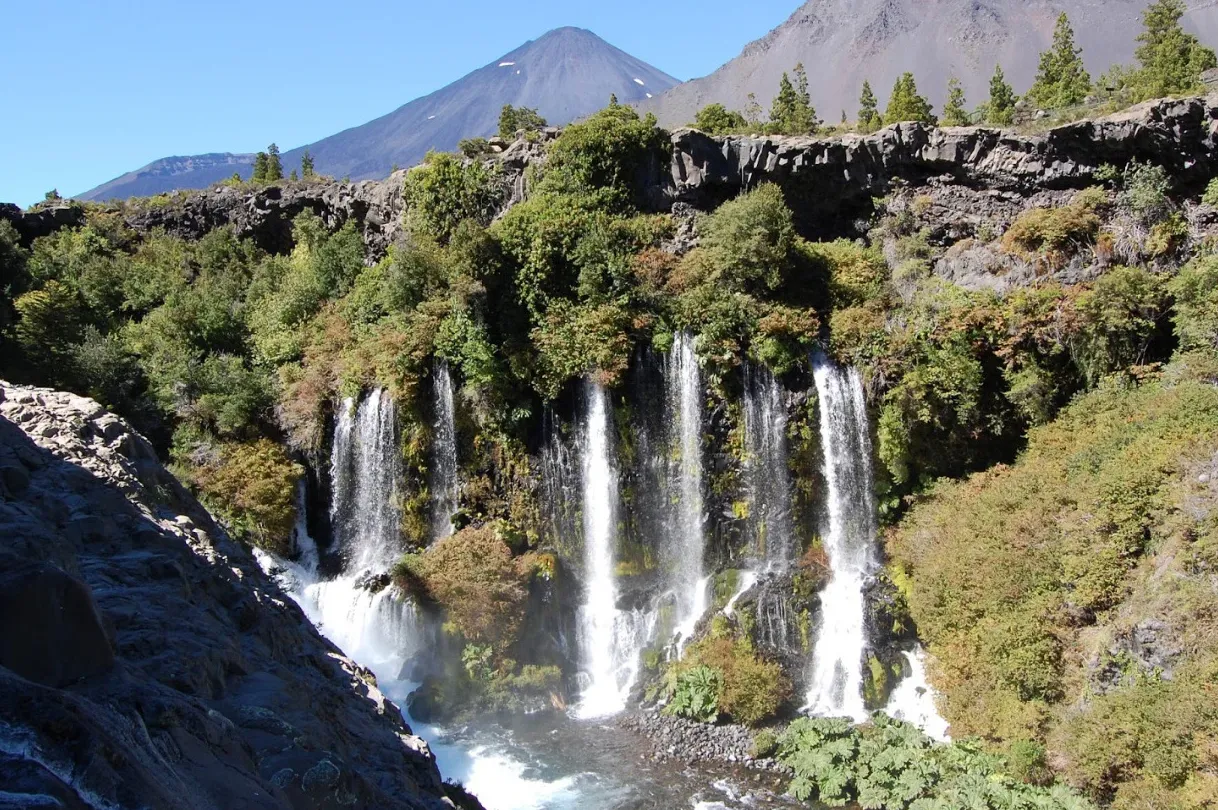
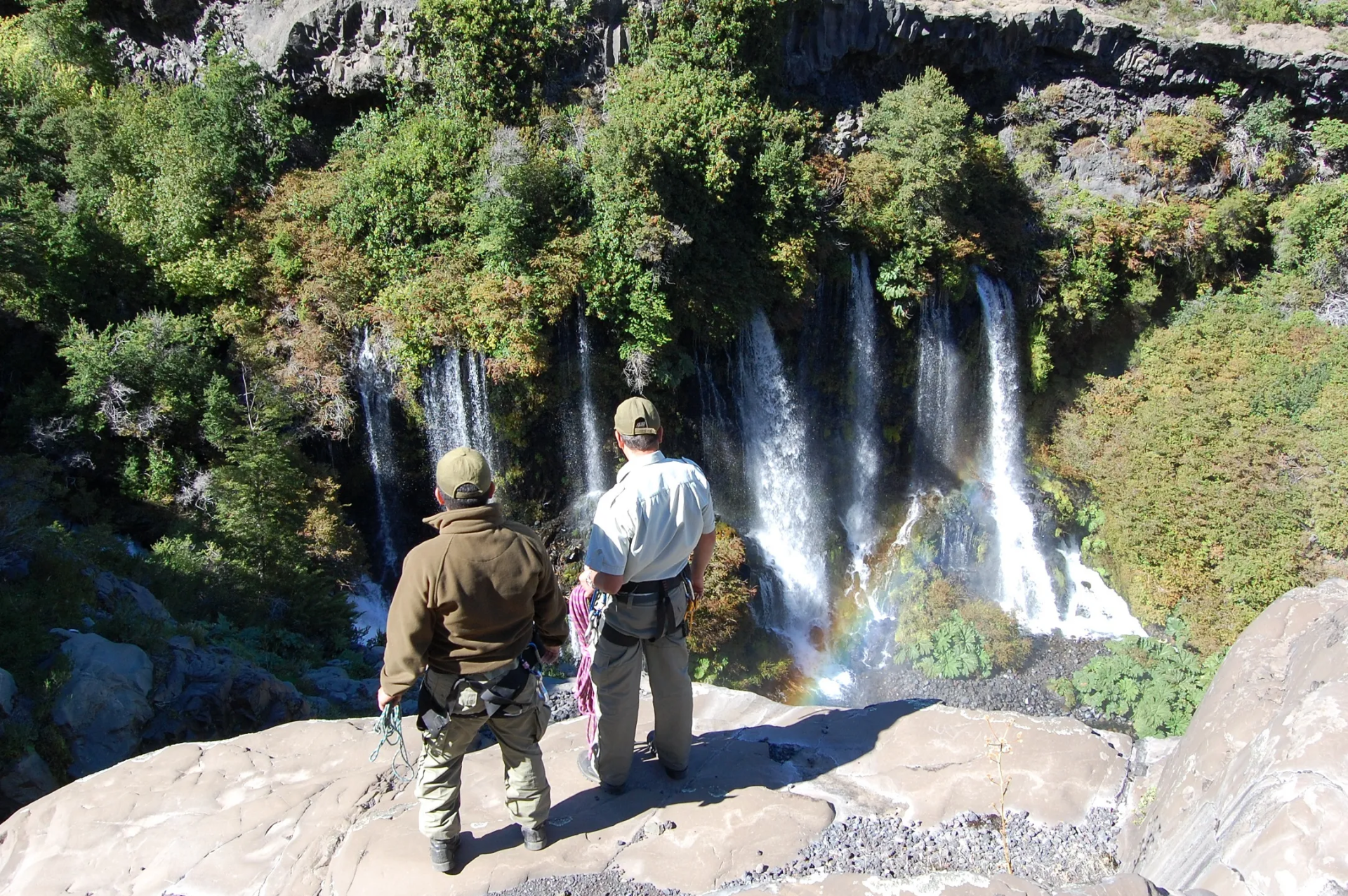
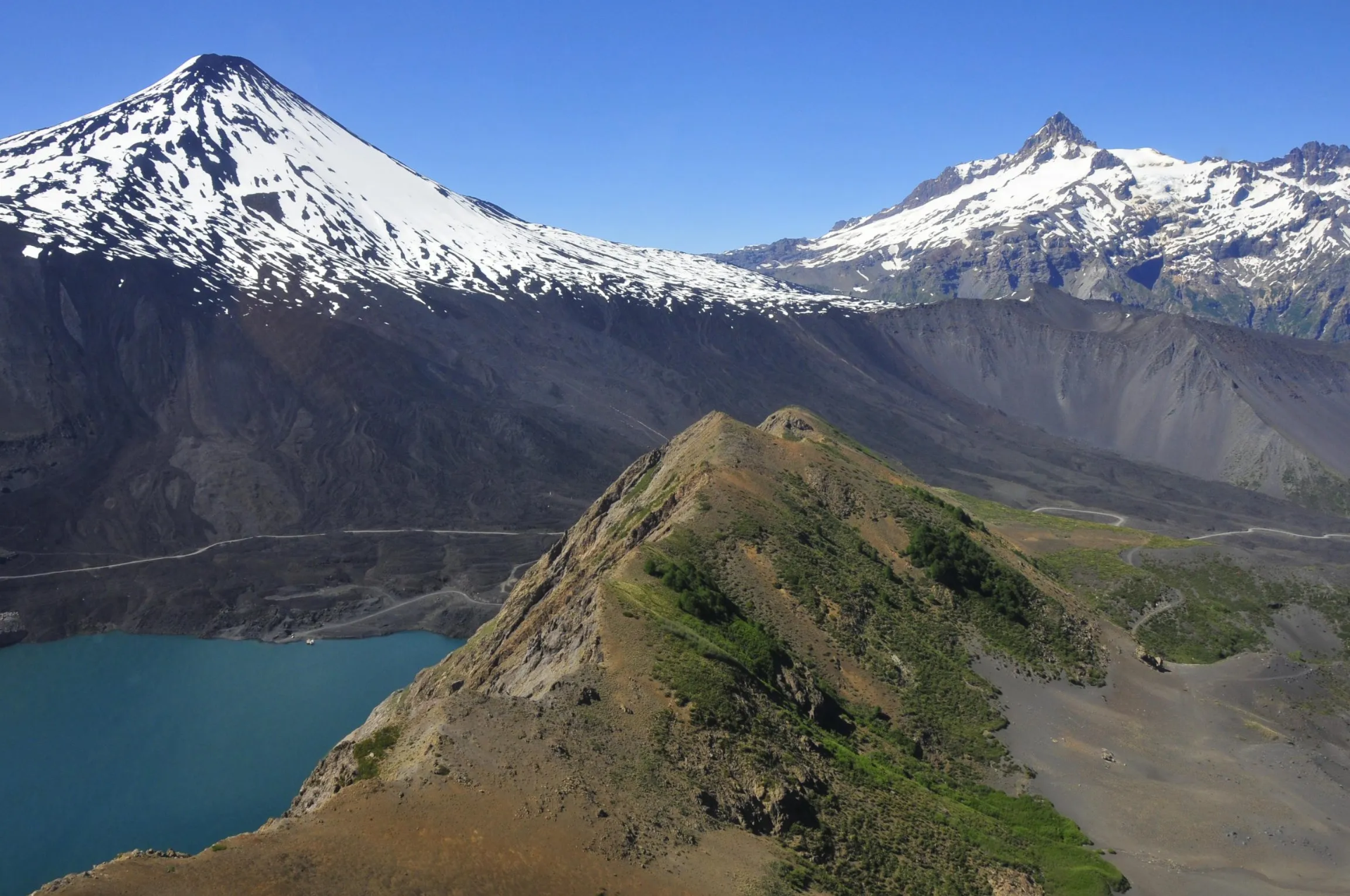
Un paraíso natural en el Biobío chileno, con volcanes imponentes, lagunas cristalinas y cascadas espectaculares que invitan a explorar la fuerza de la naturaleza andina.
Laguna del Laja National Park is generally open year-round, but it is essential to check access conditions, especially in winter due to snow. Specific opening hours and road conditions are usually published by CONAF. To get there, the most common option is by private vehicle from Los Angeles via Route Q-45, which is paved for much of the journey. I recommend checking the CONAF website for the most up-to-date information on access and possible closures.
Yes, Laguna del Laja National Park charges entrance fees for its conservation. Prices vary for domestic adults, foreign visitors, and minors. It is advisable to check the updated rates directly on the CONAF website, as they may change throughout the year. Payment can usually be made at the park entrance.
For a full visit, including enjoying the scenery, taking some short walks, and activities such as photography, it is recommended to allow at least one full day, around 6 to 8 hours. If you only plan to explore the lakeshore and see the volcano, 3 to 4 hours could be enough, but you would miss much of the trail experience. If you love trekking, you could even spend 2 days exploring its routes.
Laguna del Laja has both glacial and volcanic origins, which makes it geologically fascinating, surrounded by the imposing Antuco Volcano and Sierra Velluda. Its history is linked to the area’s volcanic activity, and it is also an important source of hydroelectric power for the region. In addition, it is a crucial habitat for various species of Andean flora and fauna, serving as a living testament to the untamed nature of the mountains.
The best time to visit Laguna del Laja National Park is during spring and summer, between November and April. At this time, the weather is warmer and drier, the trails are open, and the landscape is especially vibrant. In winter, although the snow creates spectacular scenery, access may be restricted and many outdoor activities become more difficult because of the cold and snow accumulation.
Unfortunately, like many national parks in mountainous areas, the infrastructure of Laguna del Laja National Park is not fully adapted for people with reduced mobility. The trails are usually dirt paths with elevation changes and uneven terrain, which can make wheelchair access difficult. It is recommended to contact CONAF directly for specific information about accessibility in service areas or particular viewpoints.
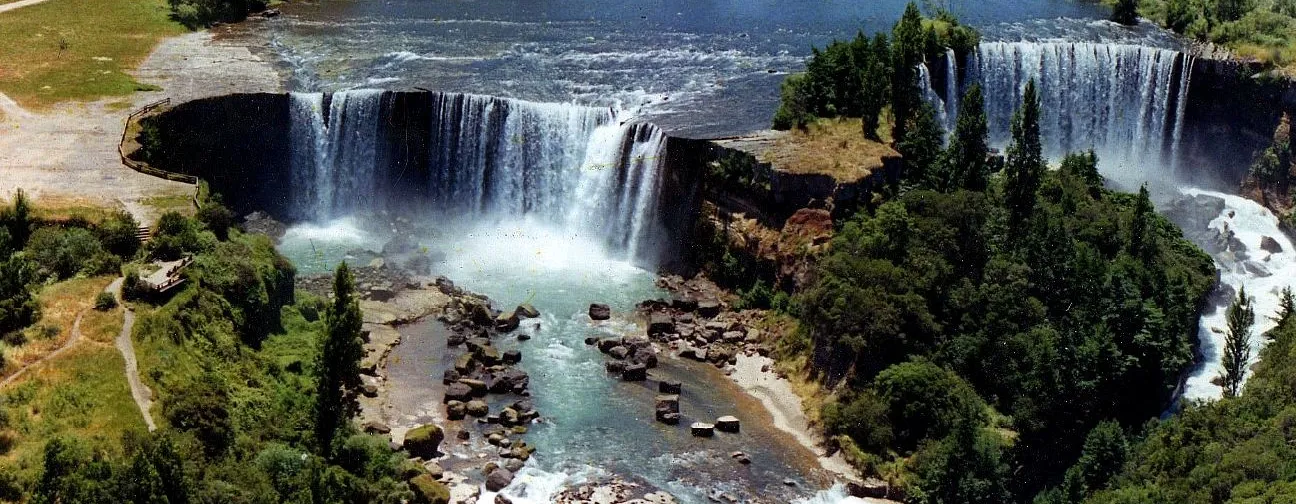
Of course, nearby you can visit the city of Los Angeles, with its historic center and parks. It is also worth exploring the Salto del Laja area, which, although a bit farther away, is a group of stunning waterfalls. In addition, if you are interested in rural tourism, there are several nearby communities offering local products and contact with Mapuche culture.
Absolutely! I strongly recommend bringing warm clothing, even in summer, since mountain weather is unpredictable. Don’t forget sunscreen, sunglasses, and a hat—the high-altitude sun is intense. Comfortable walking shoes are essential, and bring enough water and some food, as there are not many options inside the park. And please, always take your trash with you to help preserve this beautiful place!
¿Prefieres escuchar en español?
🇪🇸 Escucha la audioguía de Laguna del Laja National Park en español