
No te vayas sin conocer la historia Suscribete
IAudioGuia iaudioguia
Audio Guides of Arica

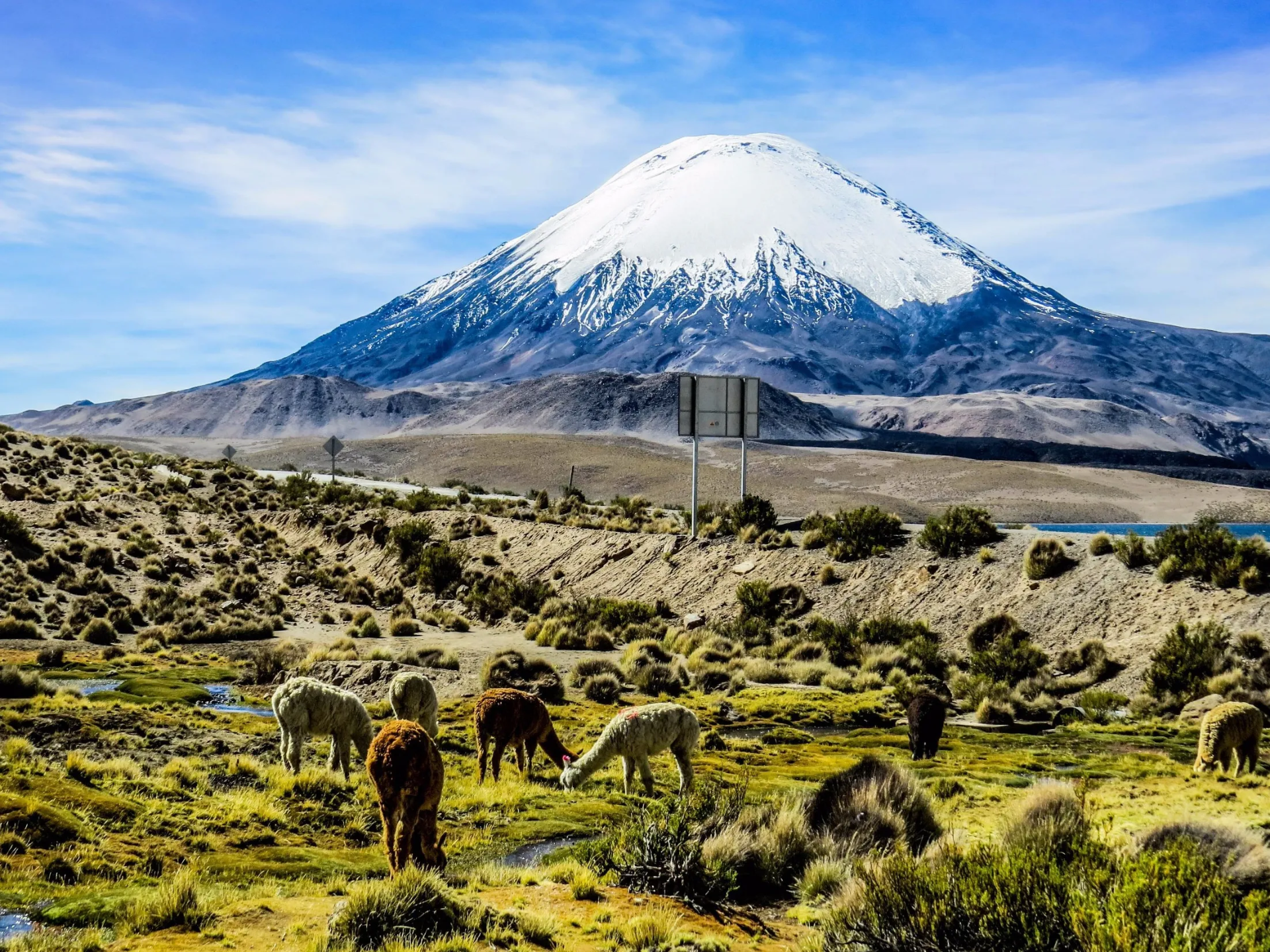
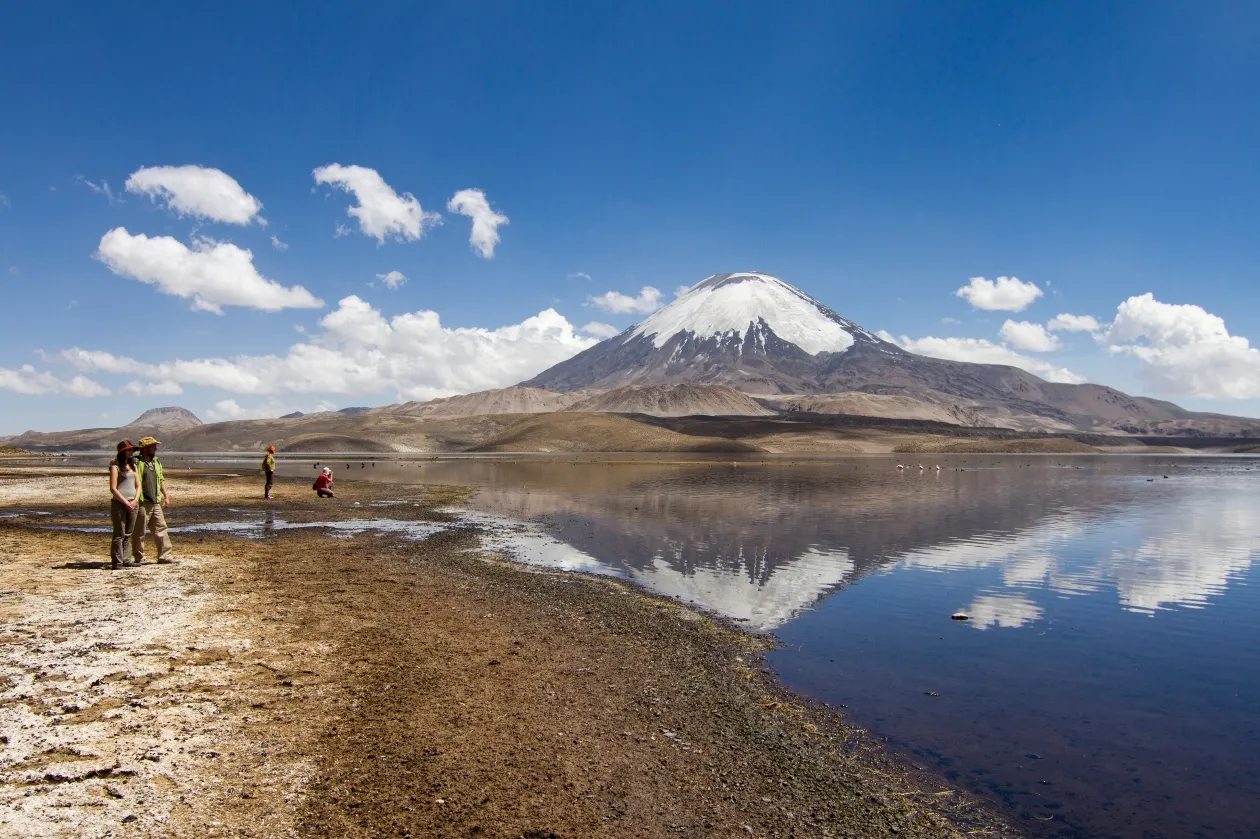
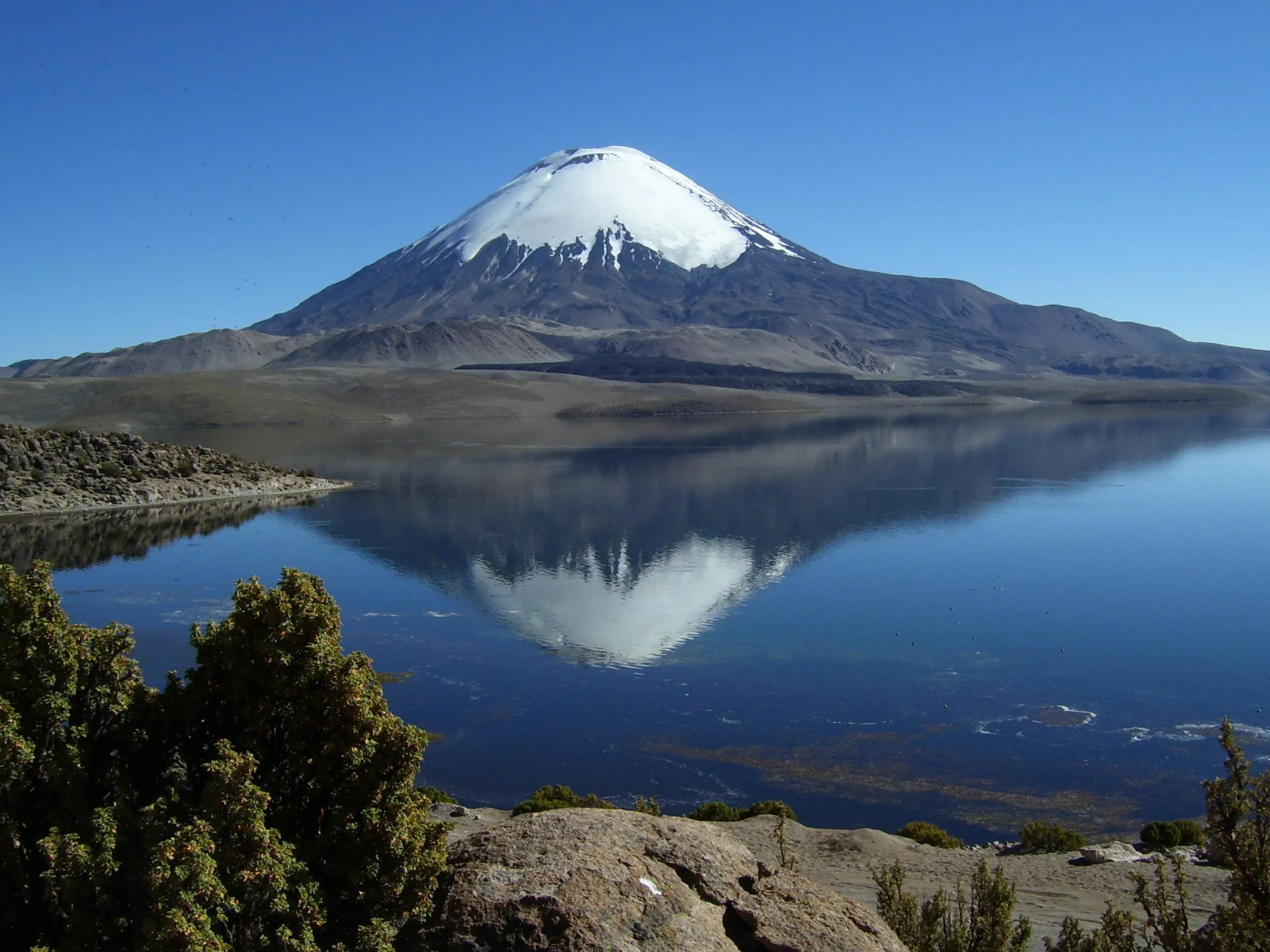
Audio Guide of Lauca National Park

Donde los volcanes tienen historias de fuego y los cóndores presenciaron dramas humanos en el techo de Chile

✓ What guidebooks don't tell you
✓ Secrets other tourists miss
✓ Listen while you explore
Discover everything
00:00
00:00
Rate this audio guide

📖 Audio Guide Chapters

6 chapters

1. Nature’s uprising that saved the park

🔒 Premium Content

Subscribe to access all chapters of this audio guide.

2. Volcanoes hiding a princess’s tears

🔒 Premium Content

Subscribe to access all chapters of this audio guide.

3. The man who challenged the mining company with a troop of llamas

🔒 Premium Content

Subscribe to access all chapters of this audio guide.

4. The secrets of the frozen potato and the astronaut priest

🔒 Premium Content

Subscribe to access all chapters of this audio guide.

5. Look for the face in the rocks and the lines of time

🔒 Premium Content

Subscribe to access all chapters of this audio guide.

6. The silence that will change your ears forever

🔒 Premium Content

Subscribe to access all chapters of this audio guide.

❓ Frequently Asked Questions

What are the opening hours of Lauca National Park and how can I get there?

Lauca National Park is open year-round, 24 hours a day, but daytime visits are recommended for safety. To get there, take Route 11 from Arica to Putre, where the main entrance gate is located; the trip takes about 2–3 hours by private car or organized tour. More details are available on CONAF’s official website: CONAF Lauca National Park.

How much is admission to Lauca National Park, and are there special rates?

Admission costs around CLP 10,000 for foreign adults, CLP 6,000 for Chilean visitors, and is free for those under 18 and for people with disabilities; payment is made at the Putre entrance gate. Check updated prices on the CONAF website, as they may vary. You can also contact the regional CONAF administration in Arica at +56 58 2225224.

How much time is needed to visit Lauca National Park?

It is recommended to set aside at least one full day (8–10 hours) to explore the main attractions such as Lake Chungará and the hot springs. If you want a more in-depth experience, consider a 2–3 day trip with an overnight stay in nearby cabins. Adjust your plans to your pace to avoid altitude sickness.

What is the historical or cultural importance of Lauca National Park?

The park is an ancestral site of the Aymara people, with petroglyphs and ruins dating back thousands of years, reflecting its role in pre-Columbian trade routes. Culturally, it preserves living Indigenous traditions and unique biodiversity, which has earned it UNESCO Biosphere Reserve status. Explore its heritage through local guides or the CONAF website.

What is the best time of year or day to visit Lauca National Park?

The best time is the southern summer (December to March), with sunny days and milder temperatures; avoid winter because of snowfall and road closures. Visit early in the morning to enjoy the lake’s morning mist and avoid the crowds, ideally leaving Arica at dawn. Check forecasts at MeteoChile.

Is Lauca National Park accessible for people with reduced mobility?

Access is limited due to the mountainous terrain and gravel roads; areas such as the entrance gate and Lake Chungará are more accessible, but places like the hot springs require walking. We recommend adapted tours or 4x4 vehicles; contact CONAF for specific options at +56 58 2225224. There are no fully accessible facilities throughout the entire park.

What other attractions are near Lauca National Park?

Nearby you will find Surire Salt Flat with flamingos and thermal baths, Jurasi Hot Springs for relaxing, and the village of Parinacota with its colonial church. You can also extend your trip to Las Vicuñas National Reserve. For routes, visit Chile Travel.

What are some practical tips for my visit to Lauca National Park?

Acclimatize to the altitude in Putre (3,500 m) before going up to the lake (4,500 m), bring water, sunscreen, and warm clothing for the cold nights; don’t forget binoculars for spotting vicuñas and condors. Use guided tours if you are a beginner and respect CONAF’s environmental rules. Bring cash for entrance fees and snacks, as there are few services inside.

¿Prefieres escuchar en español?

🇪🇸 Escucha la audioguía de Lauca National Park en español