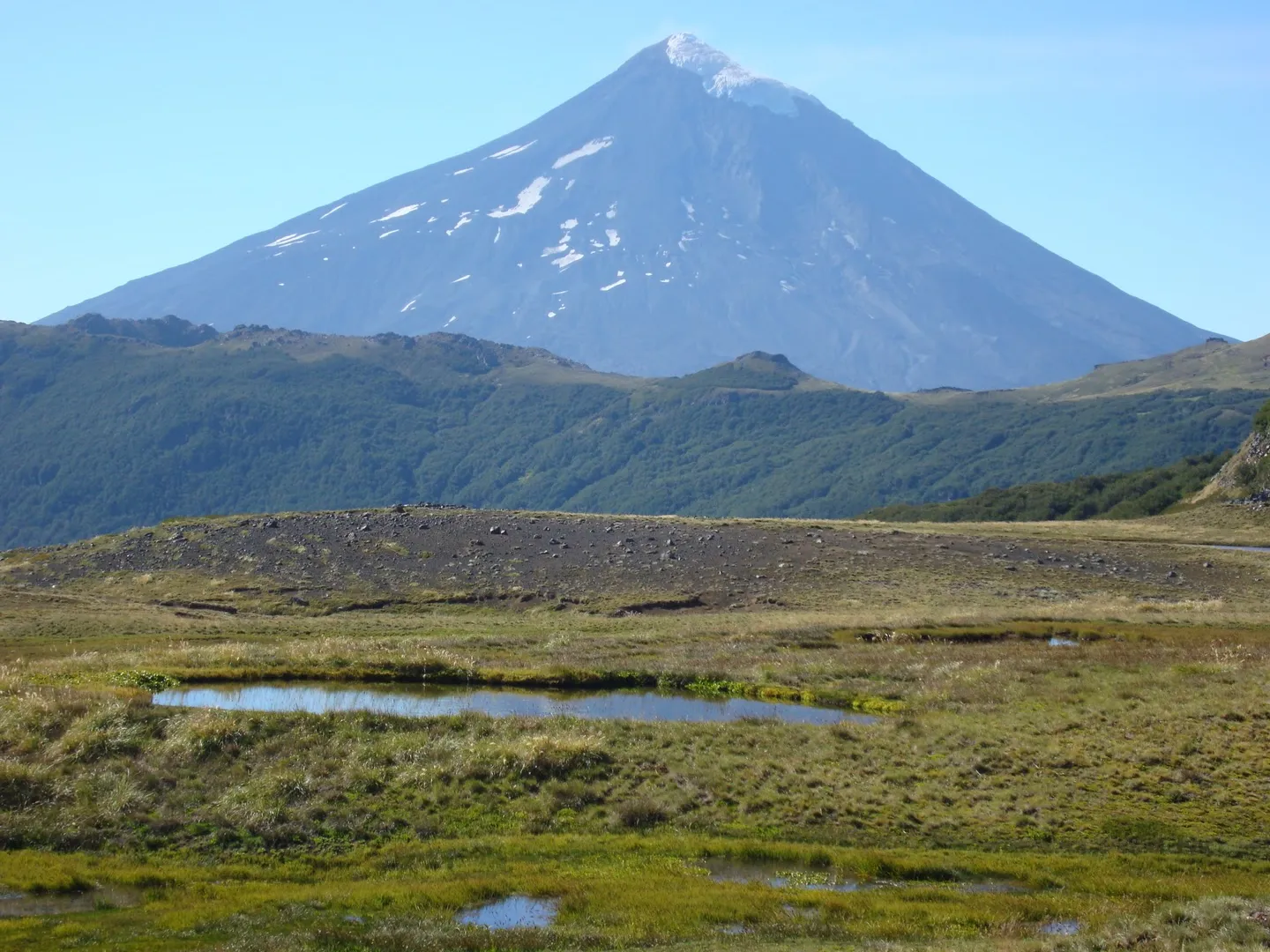
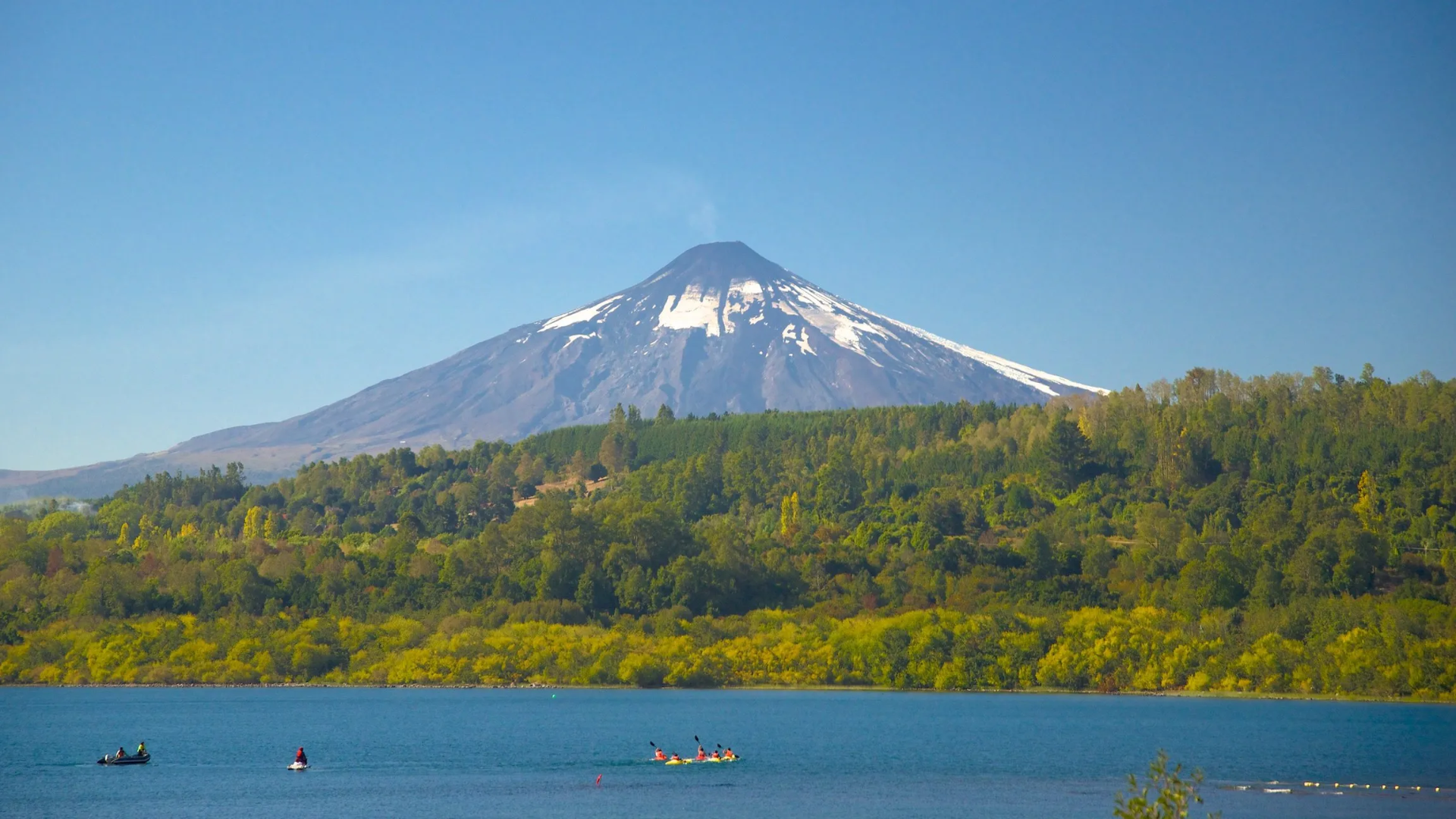
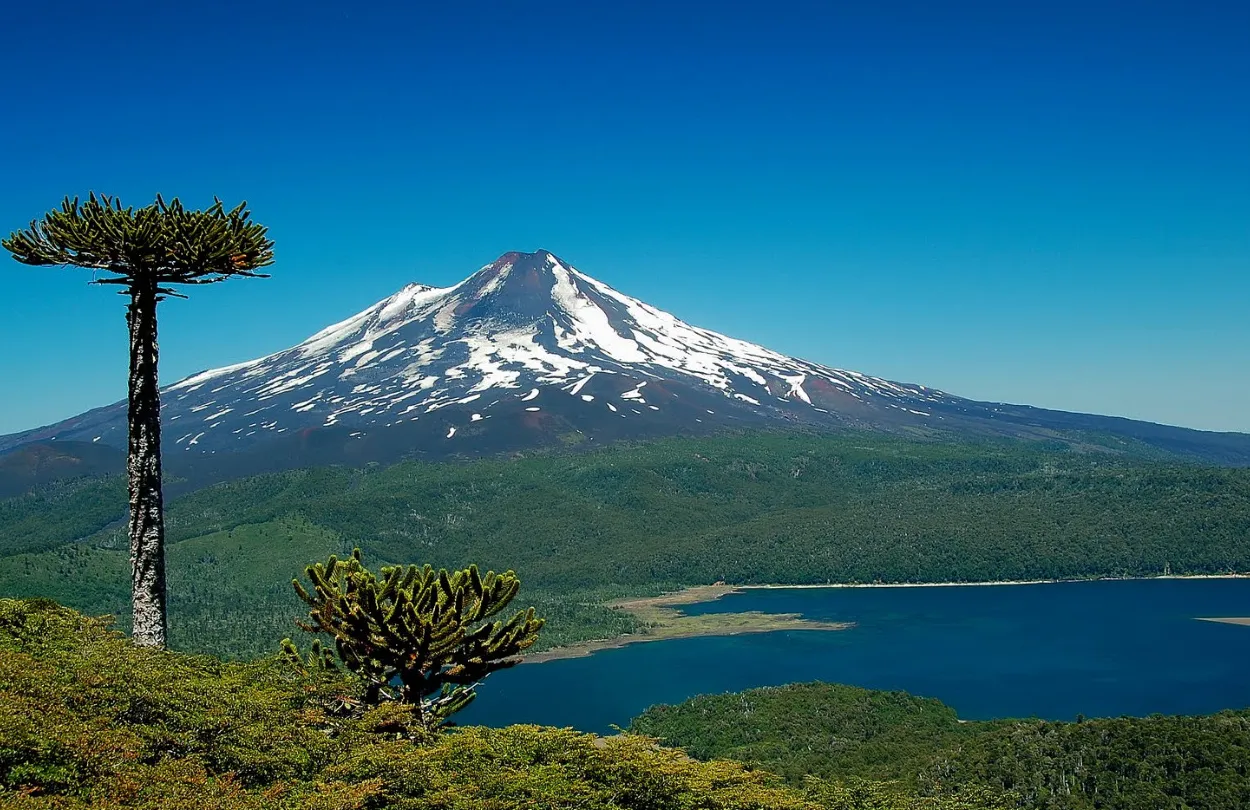
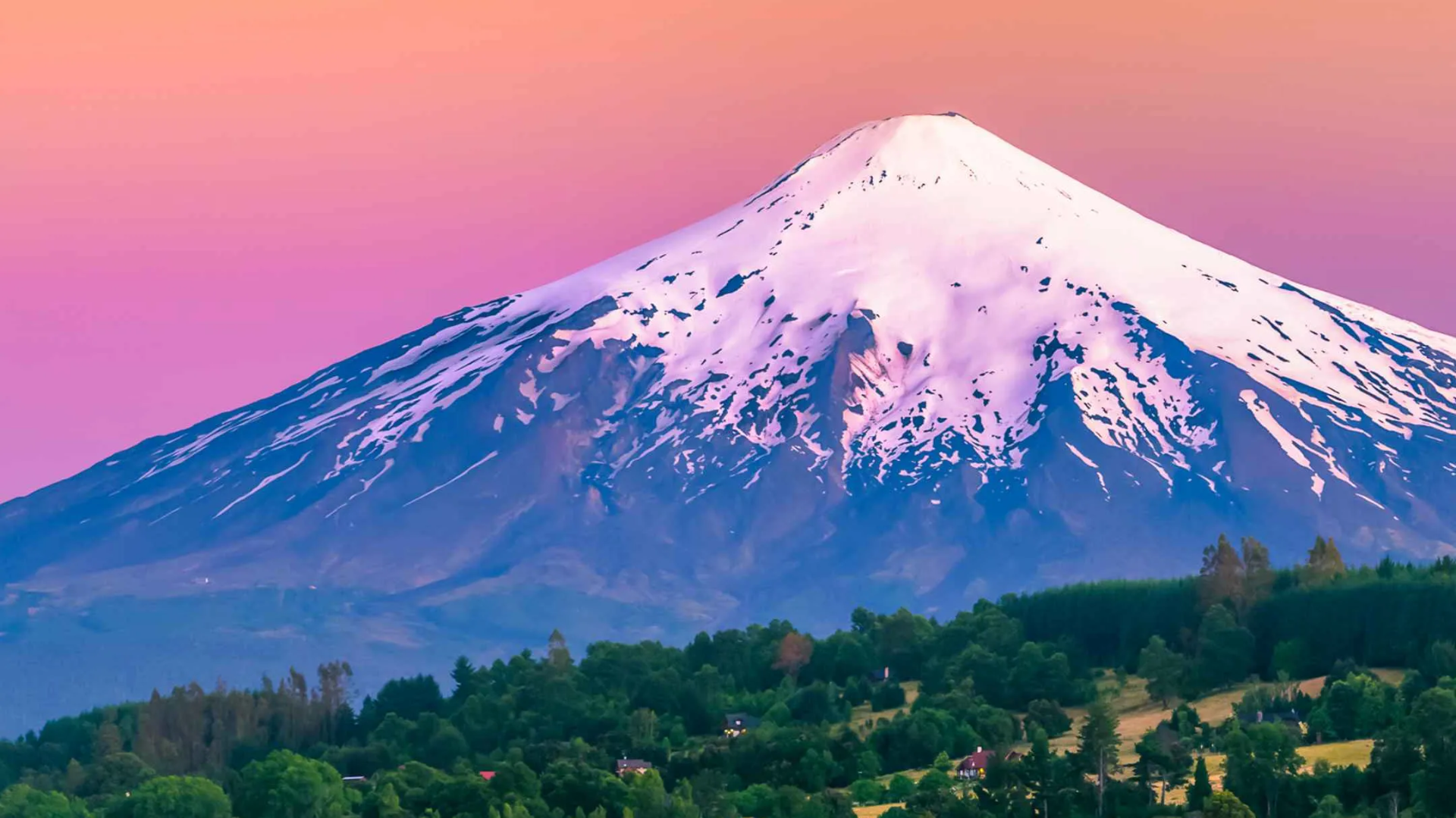
Discover Villarrica National Reserve in Melipeuco. A unique experience to learn about its history and significance.
Villarrica National Reserve in Melipeuco is generally open from 8:30 a.m. to 5:30 p.m., but these hours may vary depending on the season and weather conditions. I recommend checking the official CONAF website for the most up-to-date information before your visit. Access is via roads that may be gravel, so it is advisable to go in a suitable vehicle, especially in winter. For more details on how to get there, you can consult this CONAF link.
Yes, Villarrica National Reserve has an entrance fee that varies according to nationality and age. There are different rates for Chilean adults, foreign adults, children, and senior citizens. It is important to keep in mind that these prices may change, so I advise you to check the updated rates directly on the CONAF website or at the reserve entrance. You can find general information about rates in the CONAF rates section.
The length of a visit to Villarrica National Reserve can vary considerably depending on your interests. If you plan to explore several trails and enjoy the scenery, I suggest setting aside at least half a day, around 4 to 6 hours. For those looking to do longer treks or visit several points of interest, a full day would be ideal for a more immersive and unhurried experience.
Villarrica National Reserve is highly significant because of its rich biodiversity and because it is home to ecosystems of high conservation value, including native forests of ancient monkey puzzle trees and varied wildlife. In addition to its natural value, the reserve lies within a territory with a deep connection to Mapuche culture, forming part of its ancestral heritage and serving as a place of great spiritual and ecological significance for local communities. It protects unique volcanic landscapes and essential water sources for the region.
The best time to visit Villarrica National Reserve is during spring (September to November) and summer (December to March), when weather conditions are more favorable for hiking and enjoying the scenery. During autumn (March to May), the foliage colors are spectacular, although the weather can be more unpredictable. As for the time of day, I recommend arriving early in the morning to avoid crowds and enjoy the tranquility of the surroundings. Always check the weather forecast before your visit.
Unfortunately, much of Villarrica National Reserve, due to its natural terrain and mountain trails, does not have fully adapted infrastructure for people with reduced mobility or wheelchair users. Some access roads may be passable by vehicle, but the main trails are often of medium or high difficulty, with uneven ground. I suggest contacting CONAF directly at the nearest office for specific information about accessibility in particular areas, if available.
Absolutely! Melipeuco and its surroundings offer a wide variety of attractions. You can visit Llaima Volcano, Conguillío National Park with its famous Sierra Nevada trail, or hot springs to relax after a day of adventure. The area is ideal for nature tourism and Mapuche culture, with various communities offering authentic experiences. I encourage you to explore the tourism offerings of the Araucanía Region to complement your visit. More information about the municipality of Melipeuco is available on the official Melipeuco Municipality website.
To make the most of your visit, I recommend bringing suitable clothing and footwear for trekking, enough water, sunscreen, and a hat, as the weather can change quickly. Do not forget your camera to capture the stunning landscapes. If you plan to hike, learn about the difficulty of the trails and bring a map or GPS. And most importantly, always respect the flora and fauna, do not leave trash behind, and follow CONAF’s instructions to help preserve this natural treasure. For more recommendations, check the visitor tips section on the CONAF website.
¿Prefieres escuchar en español?
🇪🇸 Escucha la audioguía de Villarrica National Reserve en español