Donde el desierto guarda los secretos de una montaña que se convirtió en reina del cobre... y de los dramas humanos.
The Chuquicamata Mining Museum offers guided tours that usually depart from Calama. Booking in advance is essential, as the Chuquicamata camp is an active mining area and access is restricted. Tours generally leave at specific times in the morning. You can contact the Codelco Chuquicamata Division office directly for precise information about schedules and meeting points, or check whether local tour operators include this destination in their itineraries.For more details and bookings, I recommend visiting the Codelco Chuquicamata page or looking for tour operators in Calama.
A visit to Chuquicamata and its Mining Museum generally does not have a direct admission fee, but it is arranged through tours organized by Codelco or local tour operators. These tours may have a cost that covers transportation and the guide. It is essential to reserve your spot in advance, as access is limited and prior authorization is required.I suggest contacting Codelco Chuquicamata for specific information about their tours or searching for travel agencies in Calama.
A visit to the Chuquicamata Mining Museum, including the tour of the camp and the open-pit mine, usually lasts between 3 and 4 hours. This generally includes travel time from Calama and the duration of the guided tour. It is best planned as a half-day excursion, leaving the afternoon free for other activities in Calama or the surrounding area.
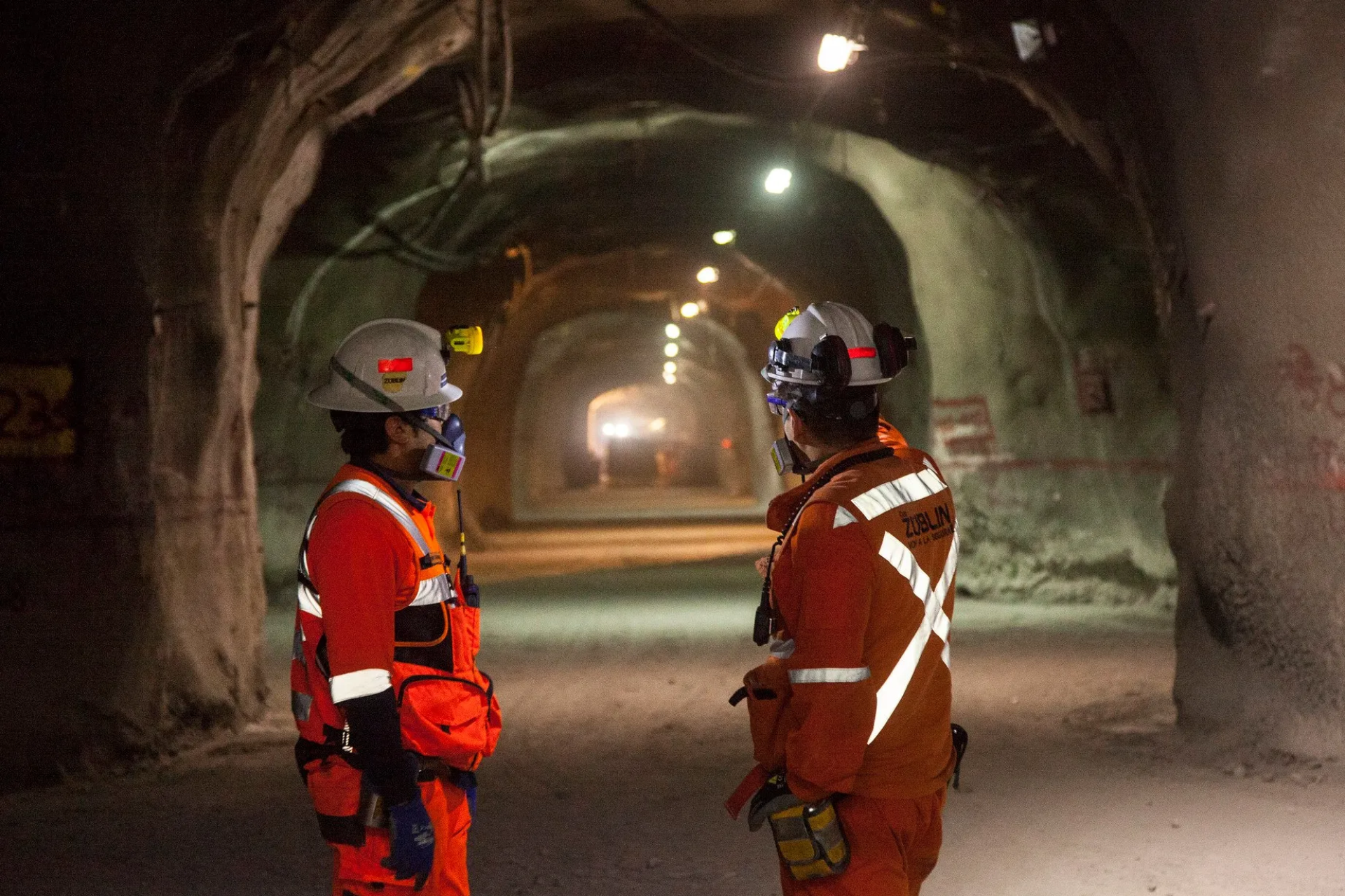
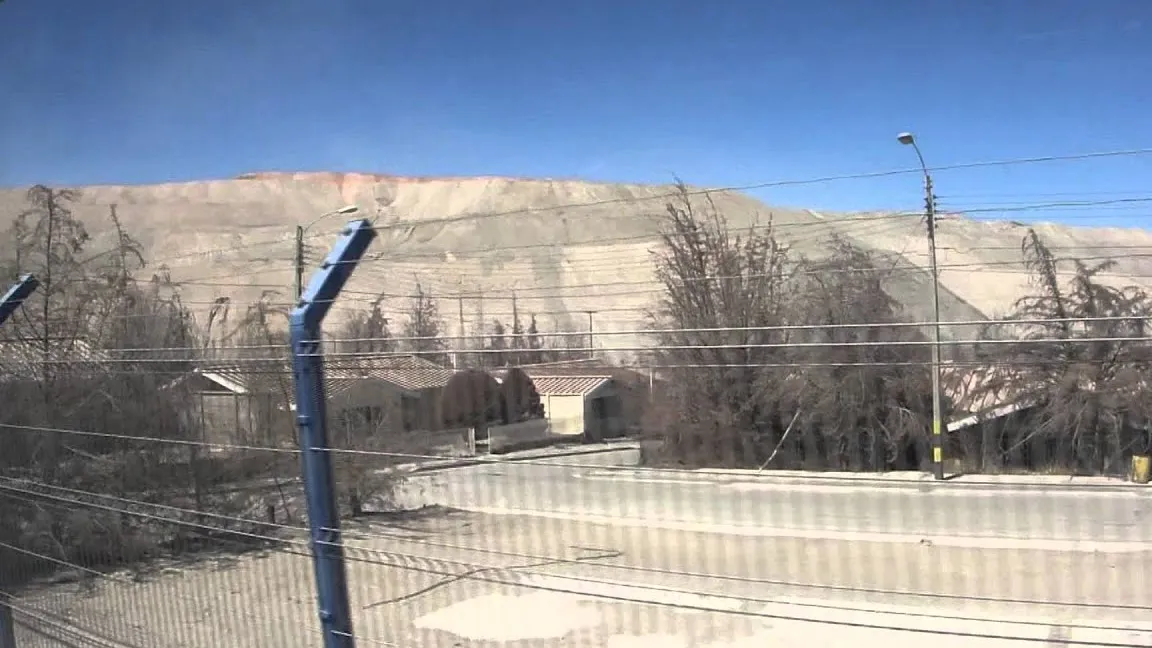
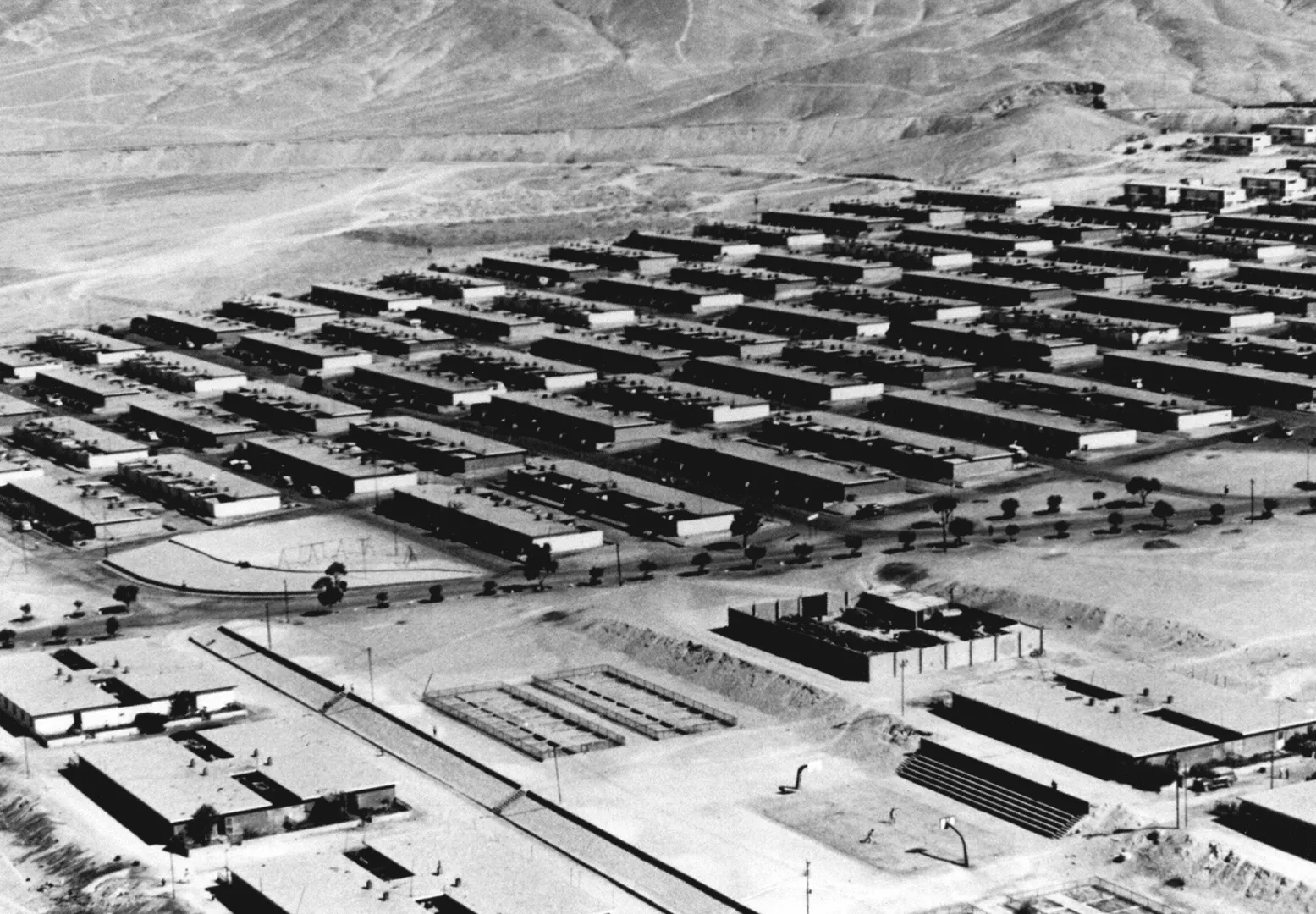
Chuquicamata is one of the largest open-pit copper deposits in the world, with a mining history that goes back thousands of years, long before the arrival of the Spanish. It is a living testament to Chilean mining, its evolution, and its impact on the country’s development. Its camp, now uninhabited but preserved, tells the story of thousands of families who lived around the mine, making this place a symbol of Chile’s mining identity.
The best time to visit Chuquicamata is during the spring months (September to November) and autumn (March to May), when temperatures are more pleasant and the weather is more stable. During summer (December to February) it can be very hot, and in winter (June to August) the mornings are very cold. Tours are usually in the morning, when the light is ideal for photographs and before the heat becomes more intense in the summer months.
Given the nature of the tour, which includes access to the mine and a semi-abandoned camp, accessibility for people with reduced mobility may be limited. Some transport vehicles and certain areas of the route may not be fully adapted. It is strongly recommended to contact Codelco or the tour operator in advance to explain any specific needs and confirm whether the tour is suitable.You can contact Codelco Chuquicamata for more detailed information on this topic.
After visiting Chuquicamata, you can explore other attractions around Calama. I recommend visiting the village of Chiu Chiu with its beautiful San Francisco church, Pukará de Lasana, an ancient pre-Hispanic fortress, or even the El Tatio geyser field, although the latter requires an early morning trip. Calama itself offers some local museums and a lively urban atmosphere.
Absolutely! To fully enjoy your visit, I recommend booking your tour well in advance, as spaces are limited. Wear comfortable, warm clothing, even in summer, since the desert climate can be unpredictable, especially in the mornings. Don’t forget sunscreen, sunglasses, a hat, and plenty of water to stay hydrated. Finally, charge your camera so you can capture the impressive views of the mine and the historic camp.
¿Prefieres escuchar en español?
🇪🇸 Escucha la audioguía de Chuquicamata Mining Museum Audio Guide en español