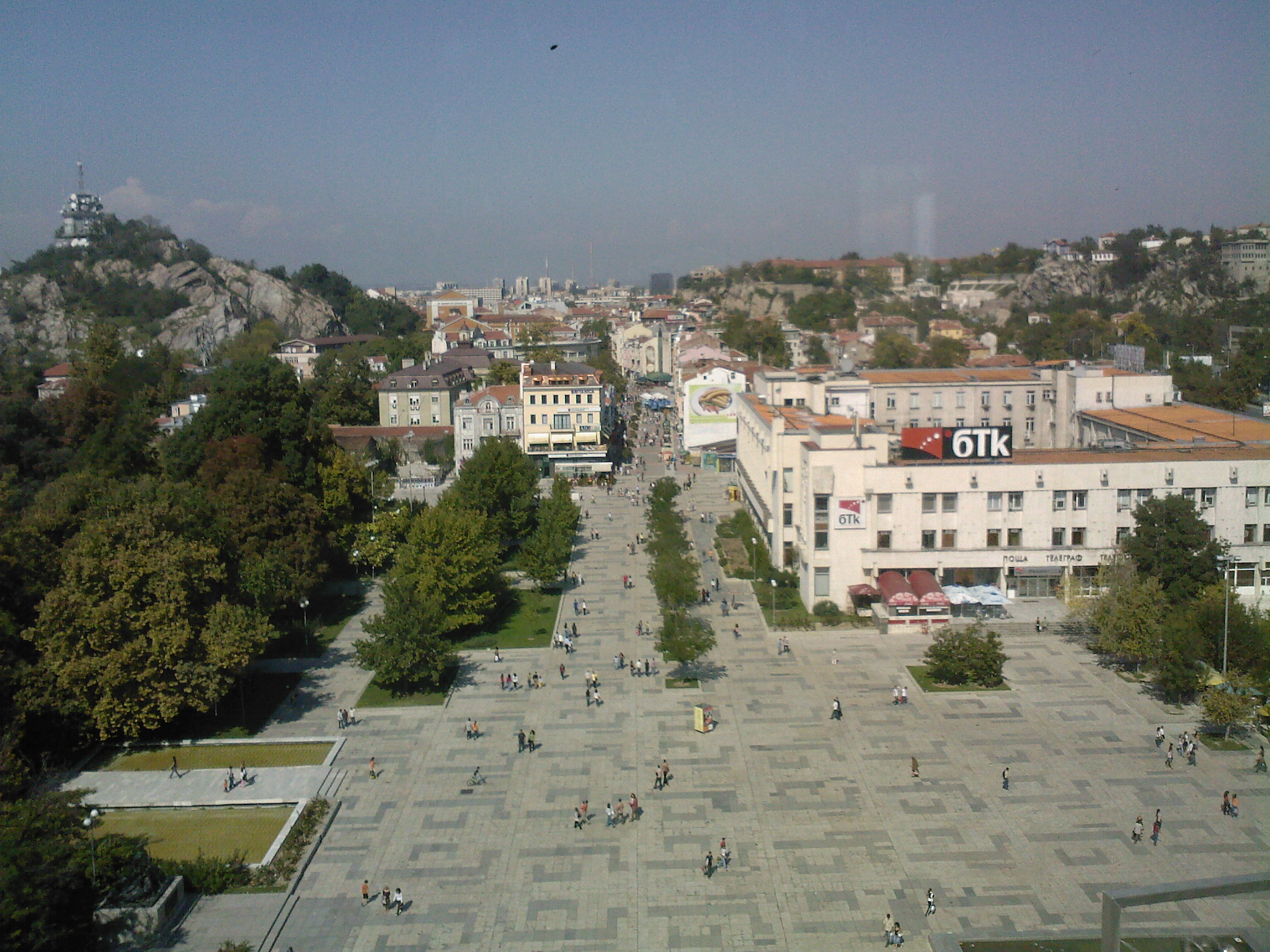
Discover Central Square of Plovdiv in Plovdiv. A unique experience to learn about its history and significance.
Most key sites in Plovdiv, such as the Ancient Theatre and the Roman Forum, are usually open from 9:00 to 18:00 in high season (May to September) and from 9:00 to 17:00 in low season. I recommend checking the specific opening hours on the official websites or at the tourist office for each place, as they may vary. Most are easy to reach on foot within the Old Town.
Admission costs vary by site, but they are generally affordable. For example, the Ancient Theatre may cost around 5-10 BGN. To save money, I recommend the 'Plovdiv City Card' if you plan to visit several attractions, as it includes discounts and free admission to some places. You can find more information on the Plovdiv City Card website.
To explore Plovdiv thoroughly and without rushing, including the Old Town, Kapana, and some museums, we suggest spending at least 2-3 full days. This will allow you to enjoy it at a relaxed pace, take photos, and savor the local cuisine without feeling like you are missing anything. If you have less time, focus on the Old Town and the Ancient Theatre.
Plovdiv is one of the oldest continuously inhabited cities in Europe, with more than 8,000 years of history! It has been inhabited by Thracians, Romans, Byzantines, and Ottomans. It is famous for its Old Town with National Revival houses, the impressive Ancient Roman Theatre, and for being the European Capital of Culture in 2019. Its historical layering is fascinating; you are literally walking over layers of civilizations!
Spring (April-June) and autumn (September-October) are the best times. The weather is mild and pleasant, ideal for walking outdoors, and there are fewer crowds than in summer. In summer (July-August) it can be very hot, although it is peak season for cultural events. During winter, despite the colder weather, the city has a special charm with fewer tourists.
Accessibility in Plovdiv can be challenging in some areas, especially in the Old Town because of its cobbled streets and slopes, as well as in some old buildings. However, many of the main museums and attractions are making efforts to improve. I advise asking specifically before your visit or contacting the Plovdiv tourist office for detailed information about accessibility at specific sites.
Near Plovdiv, I recommend visiting the Bachkovo Monastery, one of the largest and oldest in Bulgaria, about 30 km south. You can also explore the town of Koprivshtitsa, famous for its Bulgarian National Revival architecture, or the medieval fortifications at Asen's Fortress. There are many options for day trips!
Wear comfortable shoes, as Plovdiv is best explored on foot, especially the Old Town. To get around, the center is pedestrianized, but you can use taxis for longer distances. Do not miss the local cuisine; look for restaurants in the Kapana district to try authentic Bulgarian dishes. And of course, download an audio guide to enrich your experience at each historic site without missing any key details.
¿Prefieres escuchar en español?
🇪🇸 Escucha la audioguía de Central Square of Plovdiv en español