Don't leave Ubatuba without knowing this Subscribe
IAudioGuia iaudioguia
Audio Guides of Ubatuba

Audio Guide of Project Tamar

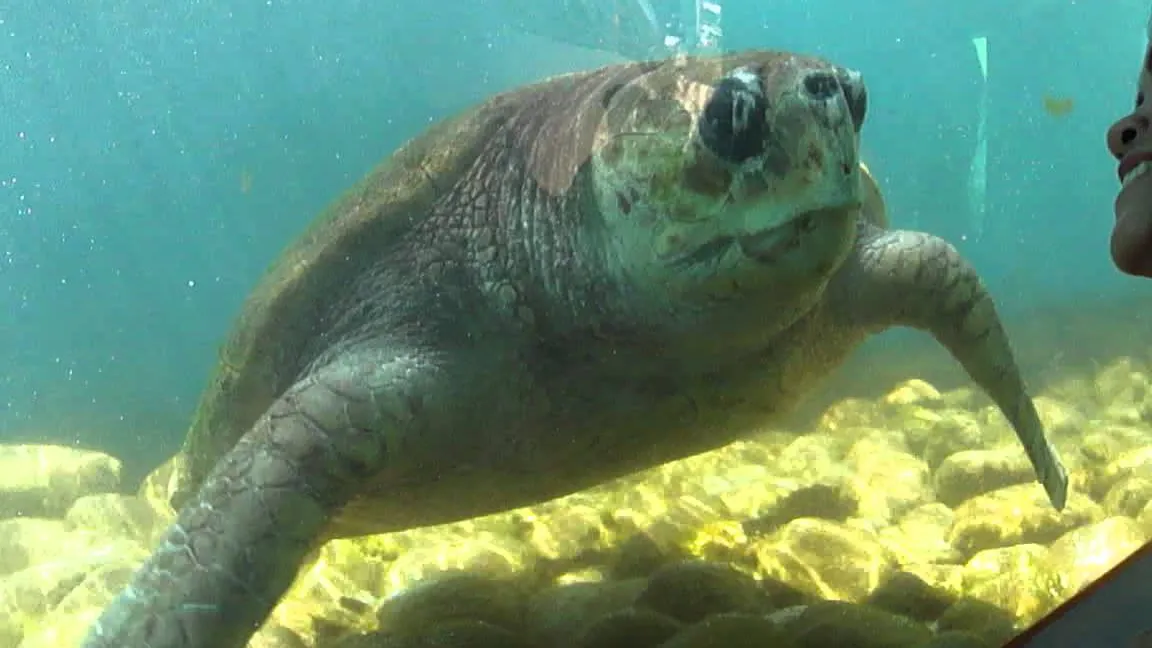
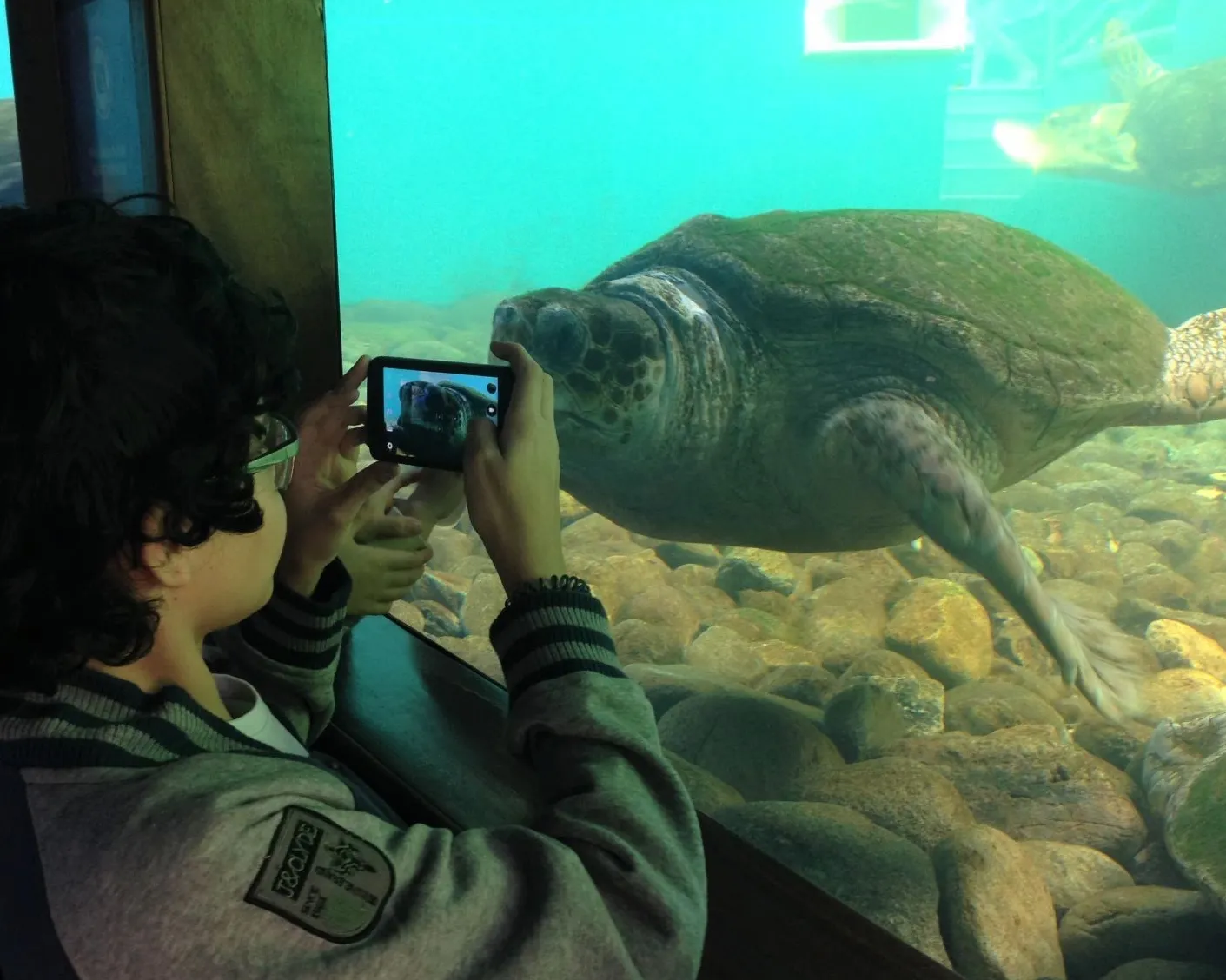
A marine sanctuary dedicated to sea turtle conservation, research, and environmental education in Brazil.

✓ What guidebooks don't tell you
✓ Secrets other tourists miss
✓ Listen while you explore
Discover everything
00:00
00:00
Rate this audio guide

📖 Audio Guide Chapters

6 chapters

1. Welcome to the Sea Turtle Sanctuary

🔒 Premium Content

Subscribe to access all chapters of this audio guide.

2. Coastal Shelters and Design for Conservation

🔒 Premium Content

Subscribe to access all chapters of this audio guide.

3. Biodiversity on Display and Ecological Messages

🔒 Premium Content

Subscribe to access all chapters of this audio guide.

4. Unsung Heroes of Conservation

🔒 Premium Content

Subscribe to access all chapters of this audio guide.

5. The Mystery of Marine Life and Tamar’s Fascinating Facts

🔒 Premium Content

Subscribe to access all chapters of this audio guide.

6. A Floating Future: Legacy and Present-Day Relevance

🔒 Premium Content

Subscribe to access all chapters of this audio guide.

❓ Frequently Asked Questions

What are the opening hours of Project Tamar in Ubatuba, and how can I visit it?

Project Tamar in Ubatuba usually opens from 10:00 a.m. to 5:00 p.m., but I recommend checking the updated hours on its official website before your visit, as they may vary by season. You can get there easily by car or public transportation.

How much is admission to Project Tamar in Ubatuba, and are there any discounts?

The adult admission price is usually around R$ 28.00, with discounts available for children, students, and seniors upon presentation of the appropriate ID. I recommend checking the rates section on its official website for the most recent and detailed information.

How much time is recommended for a full visit to Project Tamar?

For a complete experience and to enjoy all the exhibits, tanks, and educational activities, I suggest setting aside between 1.5 and 2 hours for your visit. If there is a scheduled talk or turtle feeding, the visit may take a little longer.

Why is Project Tamar important, and what is its mission in marine conservation?

Project Tamar is a key initiative for sea turtle conservation in Brazil and has been working for more than 40 years. Its mission is to protect threatened species, educate the public about the importance of marine conservation, and monitor turtle populations along the Brazilian coast, carrying out invaluable work.

What is the best time of year or time of day to visit Project Tamar in Ubatuba?

The quieter season with fewer visitors is usually from March to June or from August to November, outside Brazilian school holidays. If you want to avoid crowds, I recommend going first thing in the morning just after opening, or later in the afternoon.

Is Project Tamar in Ubatuba accessible for people with reduced mobility or wheelchair users?

Yes, Project Tamar in Ubatuba strives to be an inclusive space. Most of its facilities and paths are accessible for wheelchair users, including ramps and adapted restrooms. If you have any specific needs, you can contact them directly by phone at +55 12 3832-6202 to confirm the details.

What other tourist attractions do you recommend visiting near Project Tamar in Ubatuba?

Ubatuba offers many options. Near Project Tamar, you can enjoy Tenório Beach, ideal for swimming, or Praia Grande, which has a livelier atmosphere. I also recommend the Ubatuba Aquarium or, if you enjoy nature, a walk through Ubatuba's historic center or a visit to the Fish Market.

Do you have any practical tips to make the most of our visit to Project Tamar?

Of course! I recommend arriving early to avoid crowds, especially in high season. Don’t forget to bring sunscreen and insect repellent, as well as a camera to capture the moments. Join the educational talks if any are scheduled—they are very interesting and enriching!

¿Prefieres escuchar en español?

🇪🇸 Escucha la audioguía de Project Tamar en español