Donde las piedras susurran secretos de azúcar, sangre y fiestas que no quieren callar
The Historic Center is a living neighborhood and therefore open 24 hours a day. However, shops, museums, and restaurants usually operate Monday to Saturday from 9:00 AM to 6:00 PM, and on Sundays with reduced hours. You can easily get there by taxi, bus, or ride-hailing apps. I suggest exploring on foot so you do not miss any detail.
The good news is that access to the Historic Center itself is completely free. Walking through its cobblestone streets and admiring its architecture costs nothing. However, admission to museums and churches such as the Basilica Cathedral or the Convent of Saint Francis does have a fee, usually ranging from R$5 to R$20 per person. It is a great way to soak up culture without emptying your wallet.
For a full experience and to truly savor the Historic Center, I recommend setting aside at least half a day, around 3 to 4 hours. If you want to visit several museums, churches, and enjoy some local food, a full day would be ideal. Do not rush, every corner here tells a story.
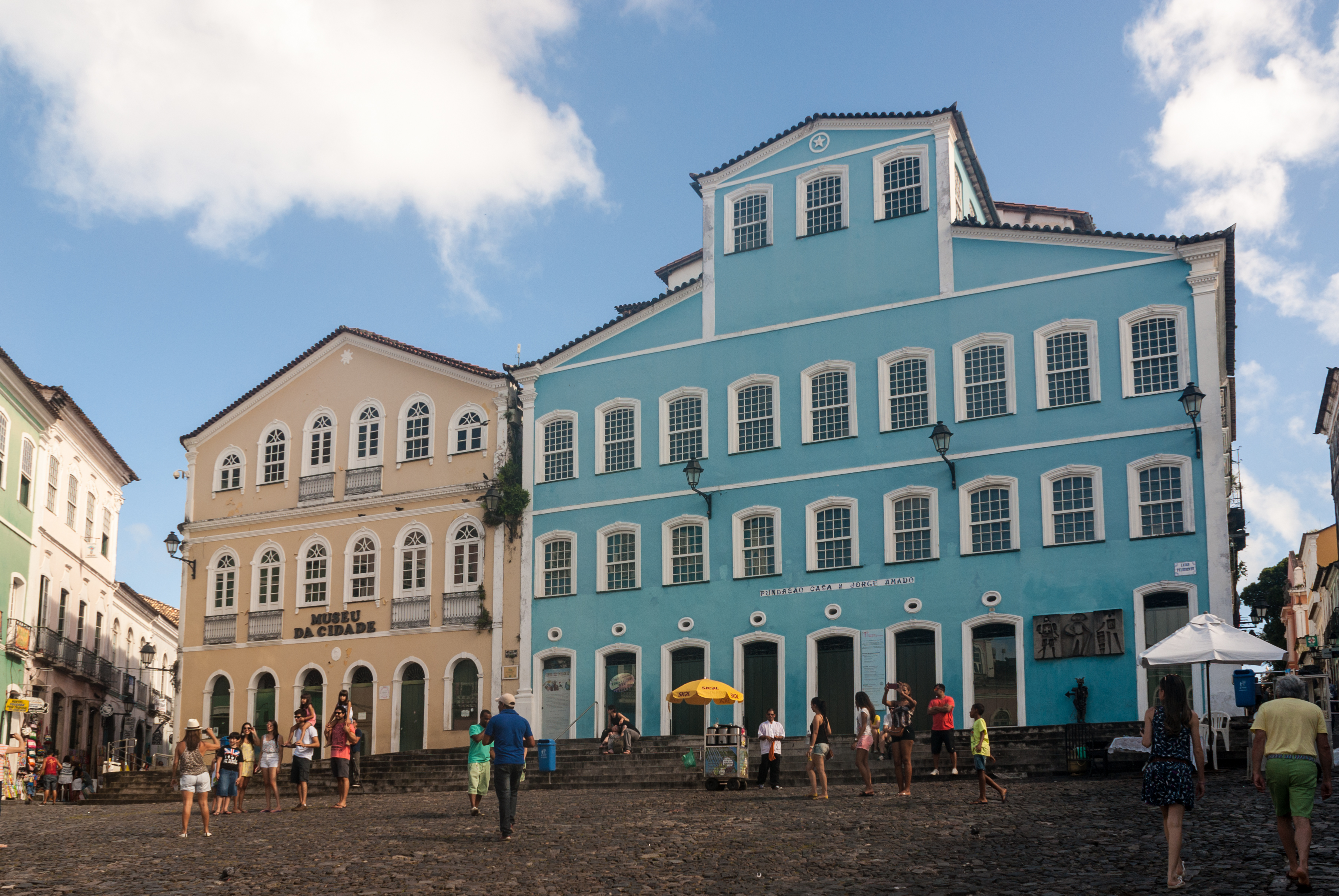
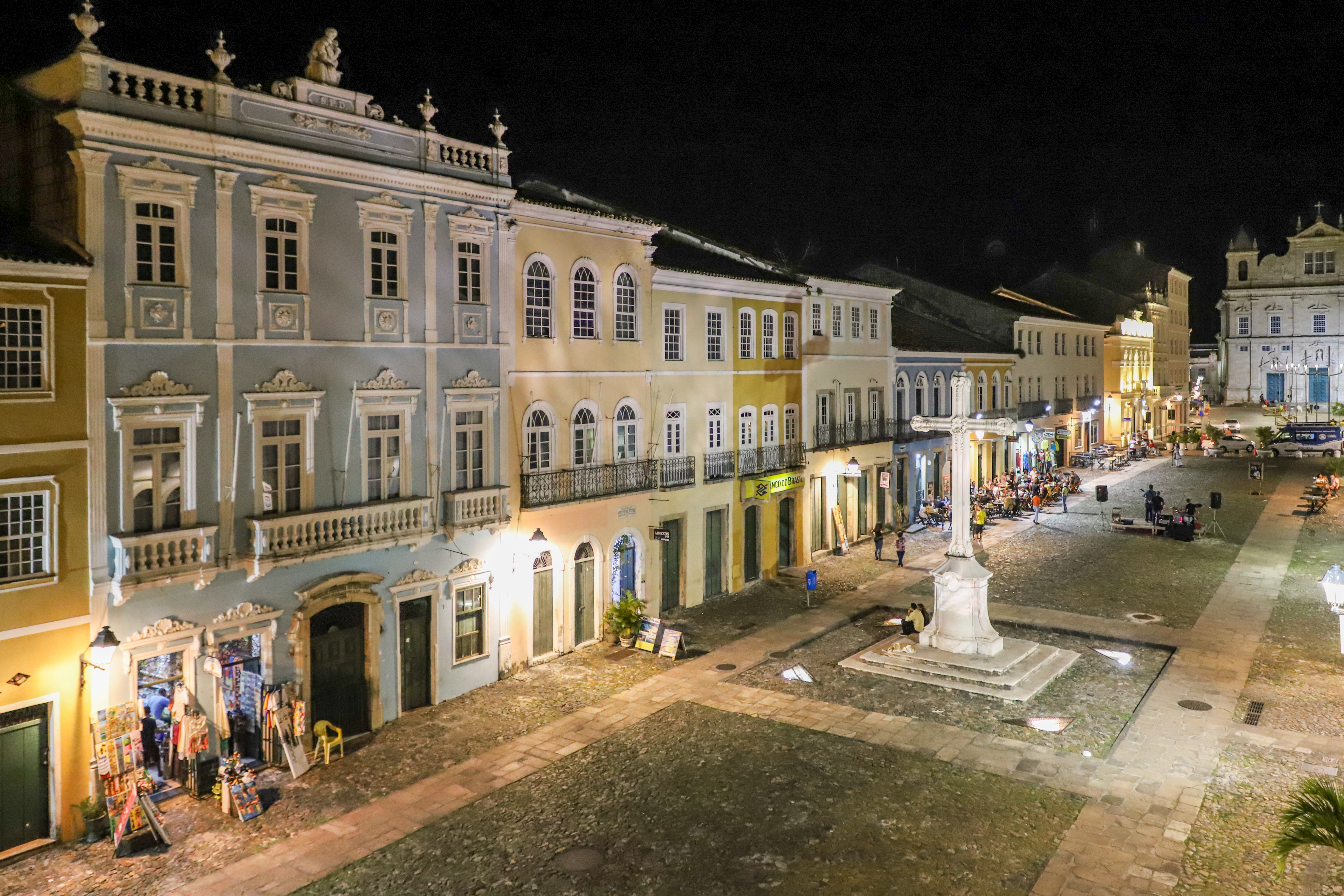
Named a UNESCO World Heritage Site, Salvador Historic Center is the heart of Brazil’s first capital. Its importance lies in being the main witness to Portuguese colonization, African heritage, and the blending of cultures that shaped Brazilian identity. Its colonial buildings, Baroque churches, and vibrant squares, such as Pelourinho, tell centuries of history, suffering, and joy. For more information, you can visit the UNESCO page: UNESCO World Heritage Site
To avoid the strongest heat and the crowds, I suggest visiting during the dry season, from September to March. As for the time of day, the early morning hours (9:00 AM to 11:00 AM) or late afternoon (4:00 PM to 6:00 PM) are ideal thanks to the more pleasant weather and perfect light for photos. Avoid the middle of the day, the sun can be relentless.
Unfortunately, due to its historical preservation with cobblestone streets and uneven surfaces, the Historic Center is not fully accessible for people with reduced mobility. Some main attractions may have ramps or elevators, but most streets and old buildings present challenges. It is advisable to plan your visit in advance and, if possible, contact individual places of interest to check their accessibility. You can find more information at the Bahia State Tourism Secretariat: Setur Bahia.
You are right in the middle of everything. Very close to the Historic Center you can find the Lacerda Elevator, an icon connecting the Upper City with the Lower City and offering spectacular views. There is also Mercado Modelo, ideal for buying local crafts, and Solar do Unhão, home to the Museum of Modern Art and a viewpoint for watching the sunset. Every corner has something to offer.
Of course, here are my best tips: wear comfortable shoes for walking on the cobblestone streets. Stay hydrated, Salvador’s heat is real. Keep an eye on your personal belongings, especially in crowded areas. Consider hiring a local guide to enrich your experience with stories and details you will not find anywhere else. And above all, let yourself be carried away by the energy of this magical place.
¿Prefieres escuchar en español?
🇪🇸 Escucha la audioguía de Largo do Pelourinho en español