No te vayas sin conocer la historia Suscribete
IAudioGuia iaudioguia
Audio Guides of Rio De Janeiro

Audio Guide of Tijuca National Park

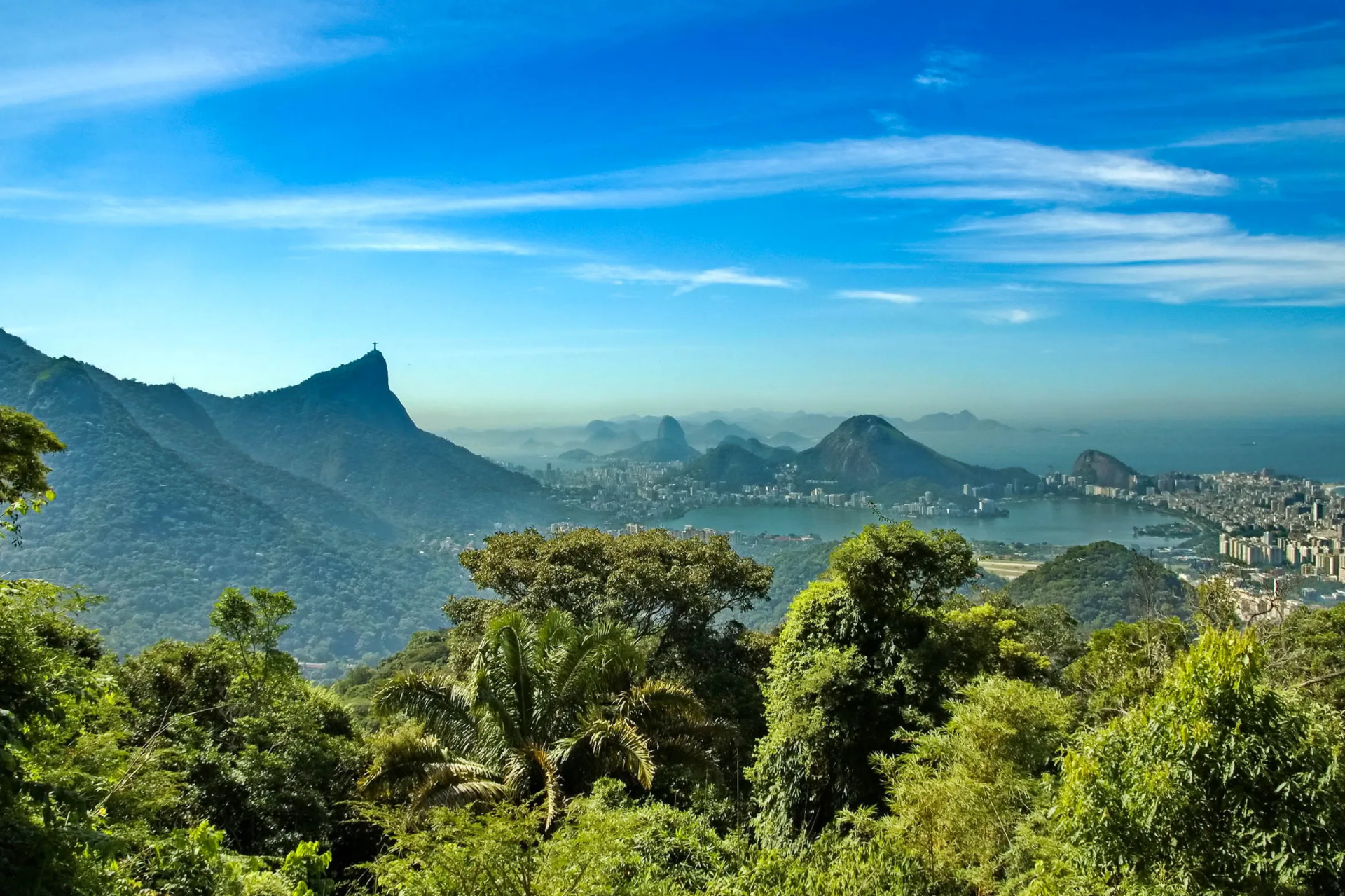
Tijuca National Park is a natural jewel in the heart of Rio de Janeiro, the largest replanted urban forest in the world and a sanctuary of biodiversity.

✓ What guidebooks don't tell you
✓ Secrets other tourists miss
✓ Listen while you explore
Discover everything
00:00
00:00

📖 Audio Guide Chapters

6 chapters

1. A Reborn Forest: Introduction and History

🔒 Premium Content

Subscribe to access all chapters of this audio guide.

2. Nature's Green Architecture

🔒 Premium Content

Subscribe to access all chapters of this audio guide.

3. Biodiversity: The Forest's Living Art

🔒 Premium Content

Subscribe to access all chapters of this audio guide.

4. Guardians of Nature: Key Figures

🔒 Premium Content

Subscribe to access all chapters of this audio guide.

5. Mysteries and Charms: Curiosities and Legends

🔒 Premium Content

Subscribe to access all chapters of this audio guide.

6. Green Legacy: Cultural Importance and Current Relevance

🔒 Premium Content

Subscribe to access all chapters of this audio guide.

❓ Frequently Asked Questions

What are the opening hours of Tijuca National Park and how do I get there?

The park is open every day from 8:00 a.m. to 5:00 p.m. (entry closes at 4:30 p.m.). To get there by car, follow Avenida das Paineiras; if you use public transportation, you can take the metro to Cardeal Arcoverde Station and then a bus or Uber to the park entrance. I recommend visiting the official Tijuca National Park website for updated maps.

How much is the entrance fee for Tijuca National Park?

Good news! Admission to Tijuca National Park is completely free for all visitors. You can explore its trails and attractions at no cost. Keep in mind that some attractions within the park, such as Christ the Redeemer, may have separate fees.

How much time do I need to visit the park?

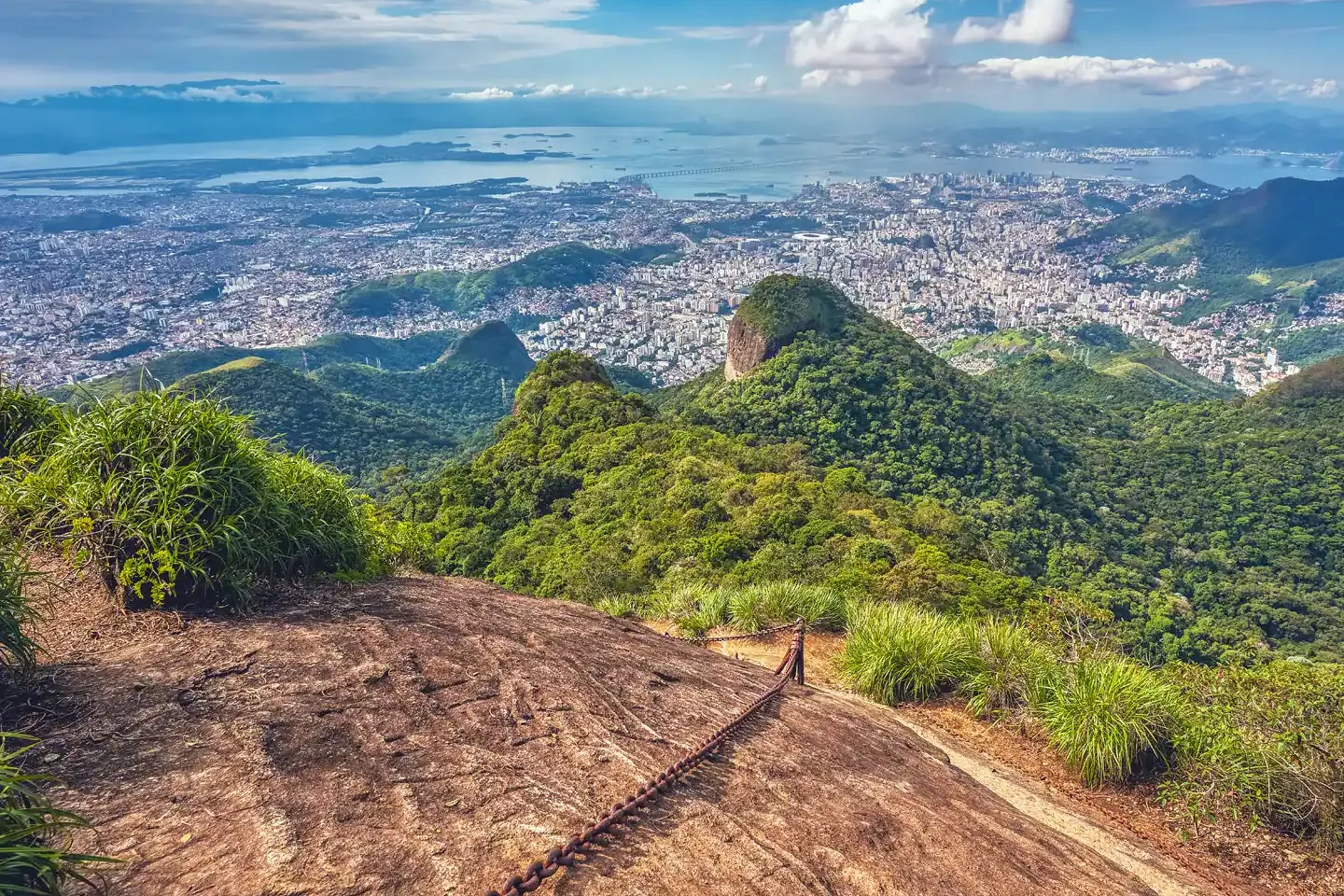
I recommend setting aside at least 3 to 4 hours to enjoy the views and walk some of the main trails. If you plan to do several hikes or visit the more distant attractions, you can easily spend a full day. The trails range from short 30-minute walks to routes lasting 3 to 4 hours.

What is the history and significance of Tijuca National Park?

It was created in 1961 and is one of the largest urban forests in the world, with more than 3,900 hectares of Atlantic Forest. It was originally a coffee plantation area that was reforested in the 19th century by Emperor Pedro II. The park protects hundreds of species of flora and fauna at risk of extinction.

When is the best time to visit Tijuca National Park?

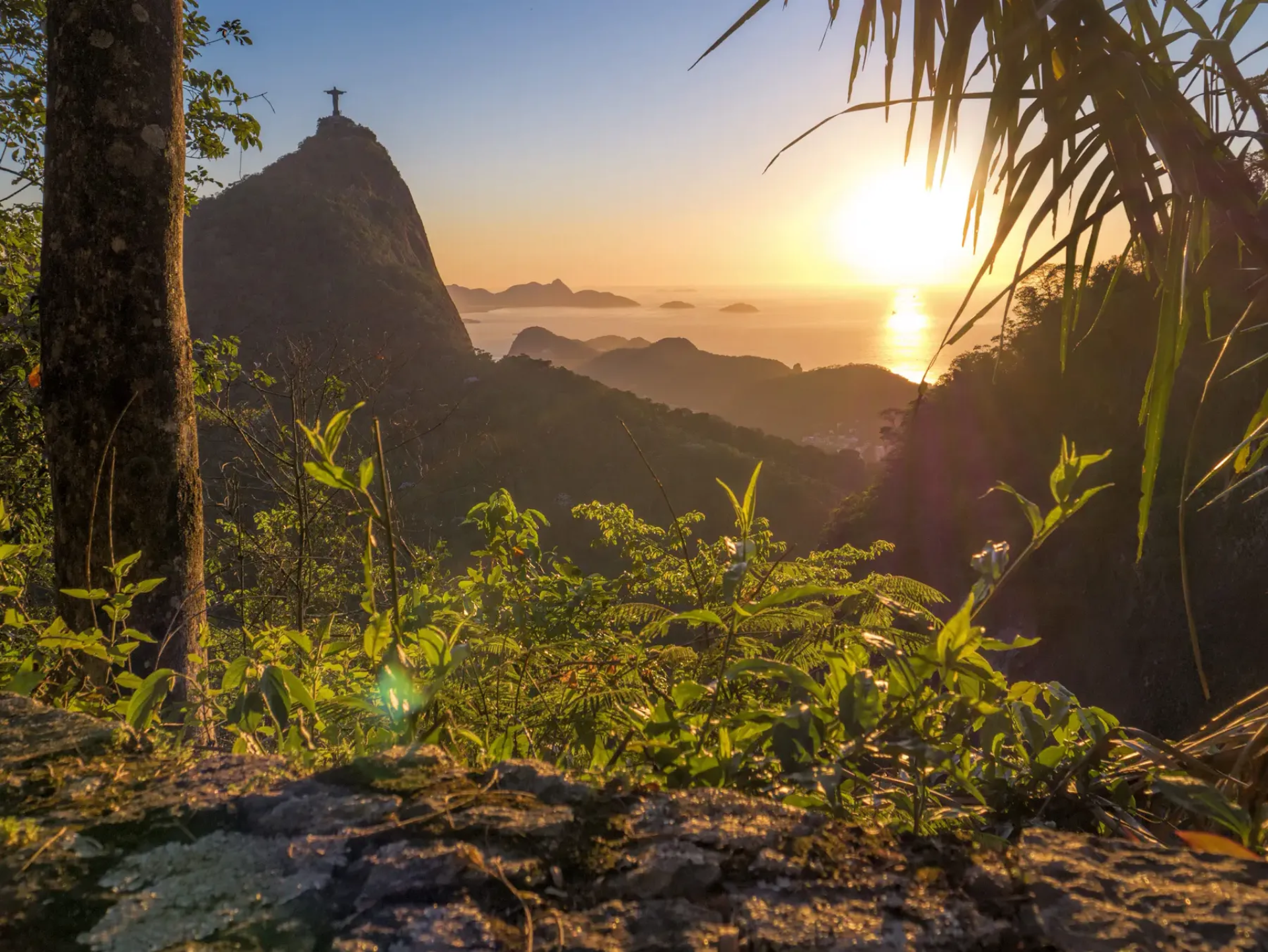
The best time is during the Brazilian winter (June to September), when there is less rain and temperatures are more pleasant. As for the time of day, I suggest arriving early (8:00-9:00 a.m.) to avoid crowds and enjoy the best natural light for photos. The views are spectacular at sunrise.

Is the park accessible for people with reduced mobility?

Unfortunately, due to its mountainous terrain and natural trails, the park has accessibility limitations. Some areas such as picnic zones and certain flat paths are accessible, but the main routes have steep inclines. For specific accessibility information, contact the visitor services department before your visit.

What other attractions can I visit near Tijuca National Park?

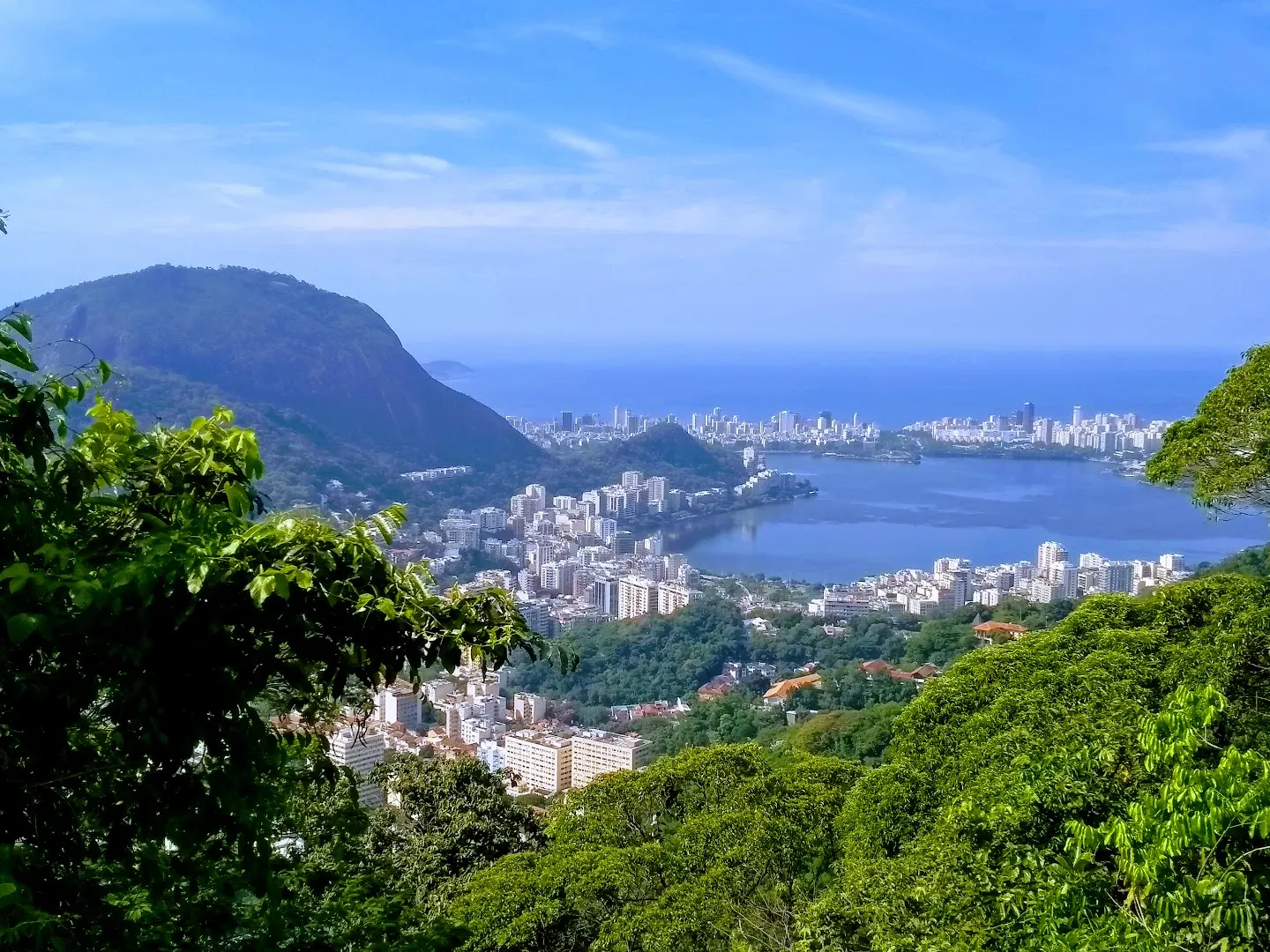
Within the park itself, don't miss the Paineiras viewpoint, the Cascatinha waterfall, and the Domingos Francisco statue. In the surrounding area, you can visit Christ the Redeemer and the Maintenance Museum. They are just a short drive away and perfectly complement a day of nature and culture.

What practical tips can you give me to make the most of my visit to the park?

Bring enough water, sunscreen, and comfortable walking shoes, as the trails can be steep. I also suggest downloading offline maps in case you lose phone signal and bringing insect repellent. Finally, respect nature: do not feed the animals and take all your trash with you to help preserve this natural treasure.

¿Prefieres escuchar en español?

🇪🇸 Escucha la audioguía de Tijuca National Park en español