Donde las dunas cuentan historias de pescadores rebeldes y puestas de sol que hipnotizan hasta a los cocoteros
Jericoacoara is open 24 hours a day as a natural tourist destination, with no fixed opening hours. The best way to get there is from Fortaleza by 4x4 transfer (about 4 hours on sandy roads) or by flying into Jericoacoara Airport; book at Jericoacoara Airport or through local agencies.
Access to the village and beaches is free, as it is a public area. Fees only apply for Jericoacoara National Park (around R$20 per person) or specific tours such as buggy rides.
At least 3 to 5 days are recommended to enjoy the beaches, dunes, and lagoons without rushing. A weekend is the minimum for the essentials, but stay longer if you want to relax.
Jericoacoara was a fishing village that became famous in the 1980s for its untouched beauty, chosen as one of the best beaches in the world by magazines such as Vogue. Today it is part of Jericoacoara National Park, protected by ICMBio for its dune and mangrove ecosystem; more info at ICMBio.
The best season is the dry period (July to December), with constant sunshine and less rain; avoid January to June because of strong winds. Sunset at Sunset Dune is magical for watching the sun drop into the sea.
The main beaches have some access with ramps, but the dunes and lagoons require walking on sand and are not suitable for wheelchairs. The village is pedestrian-only; check for adapted hotels or accessible buggy tours.
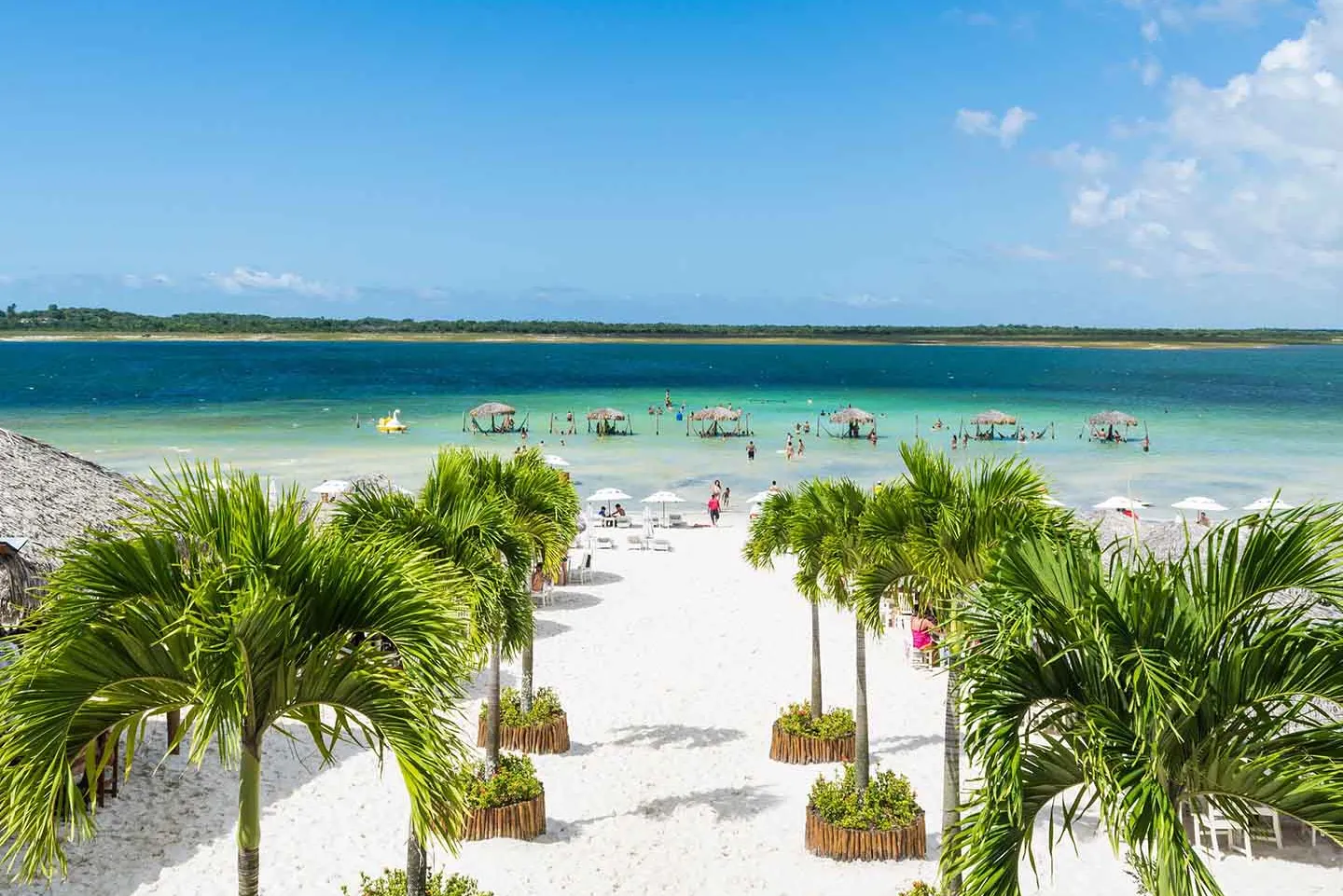
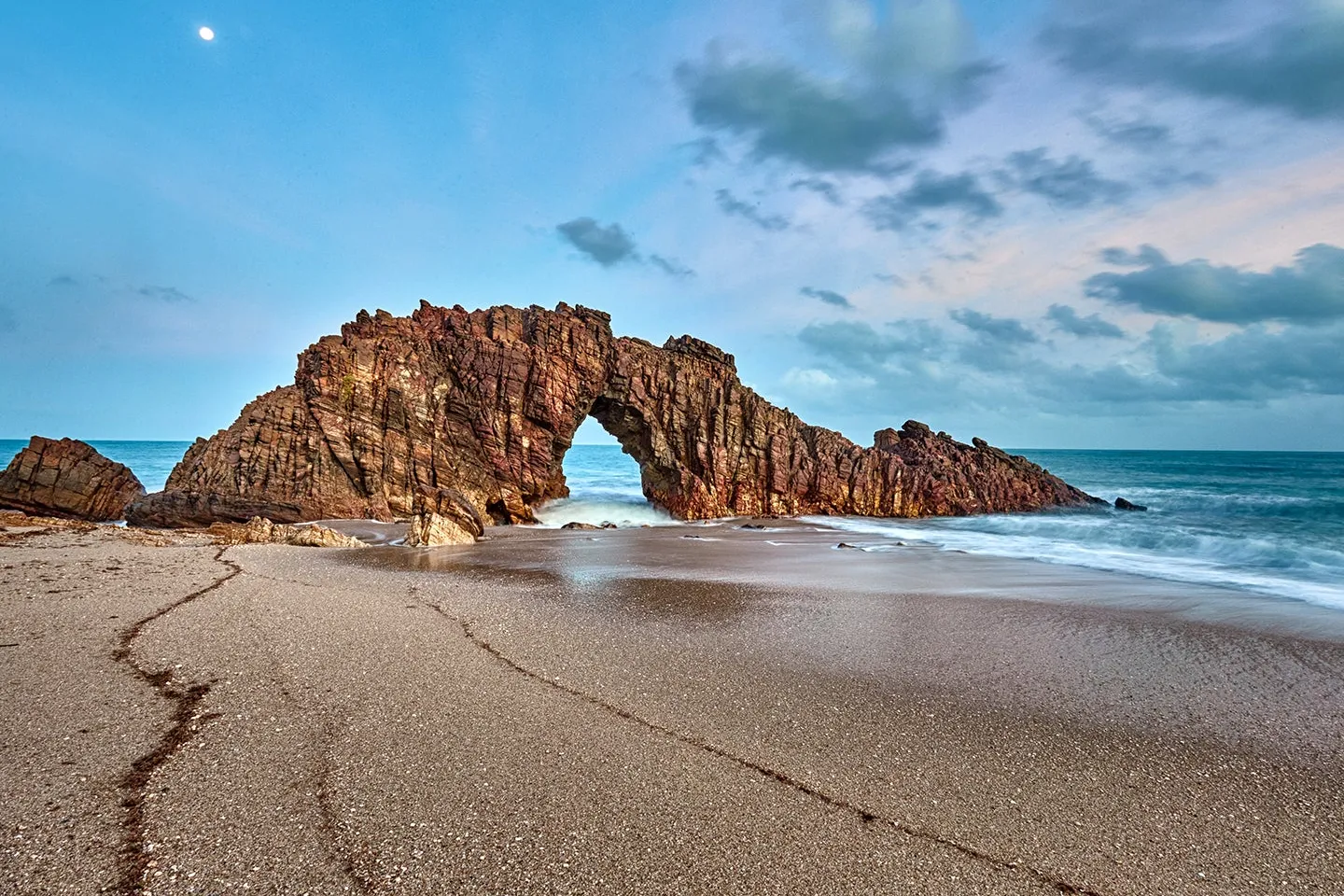
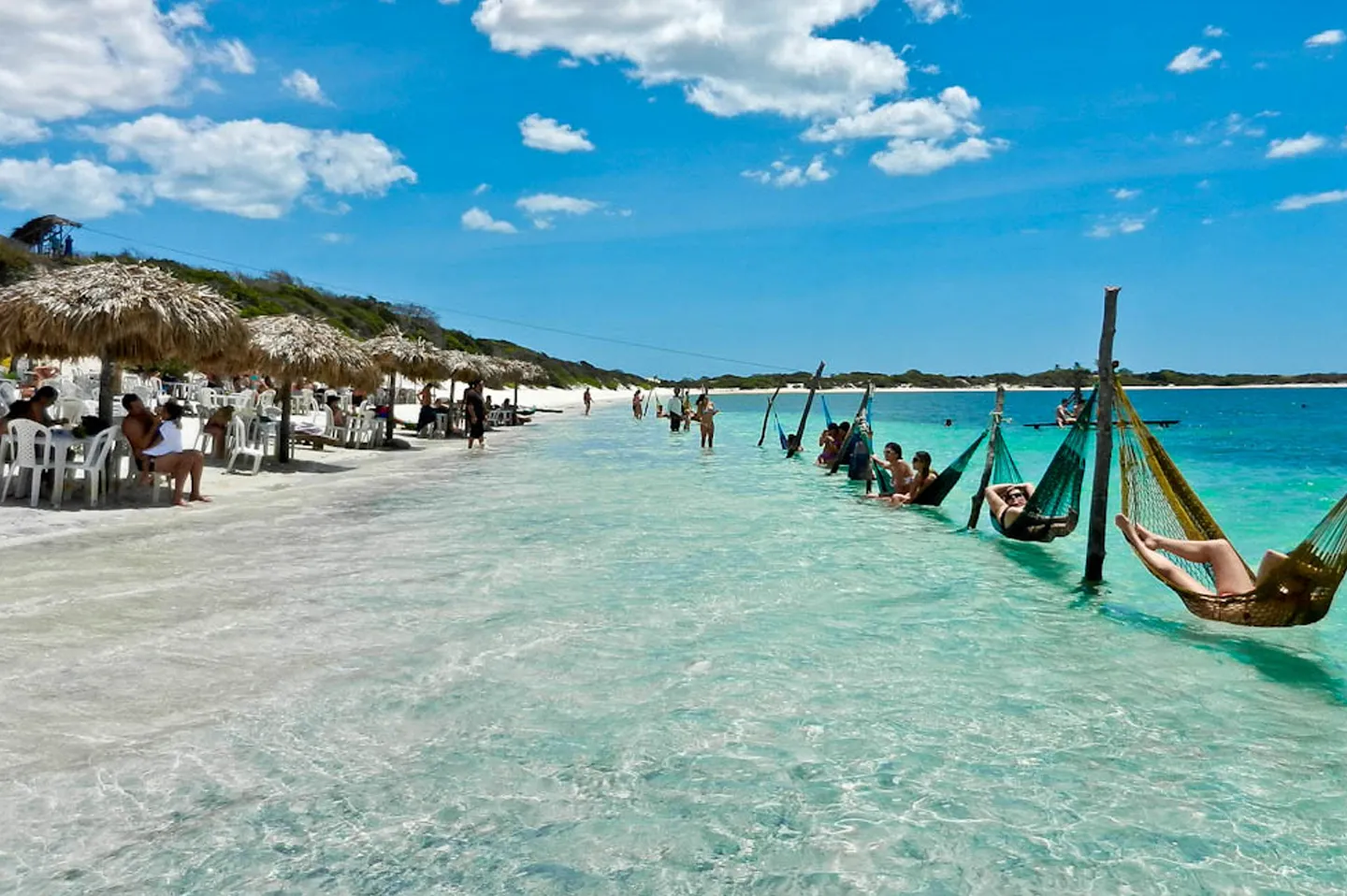
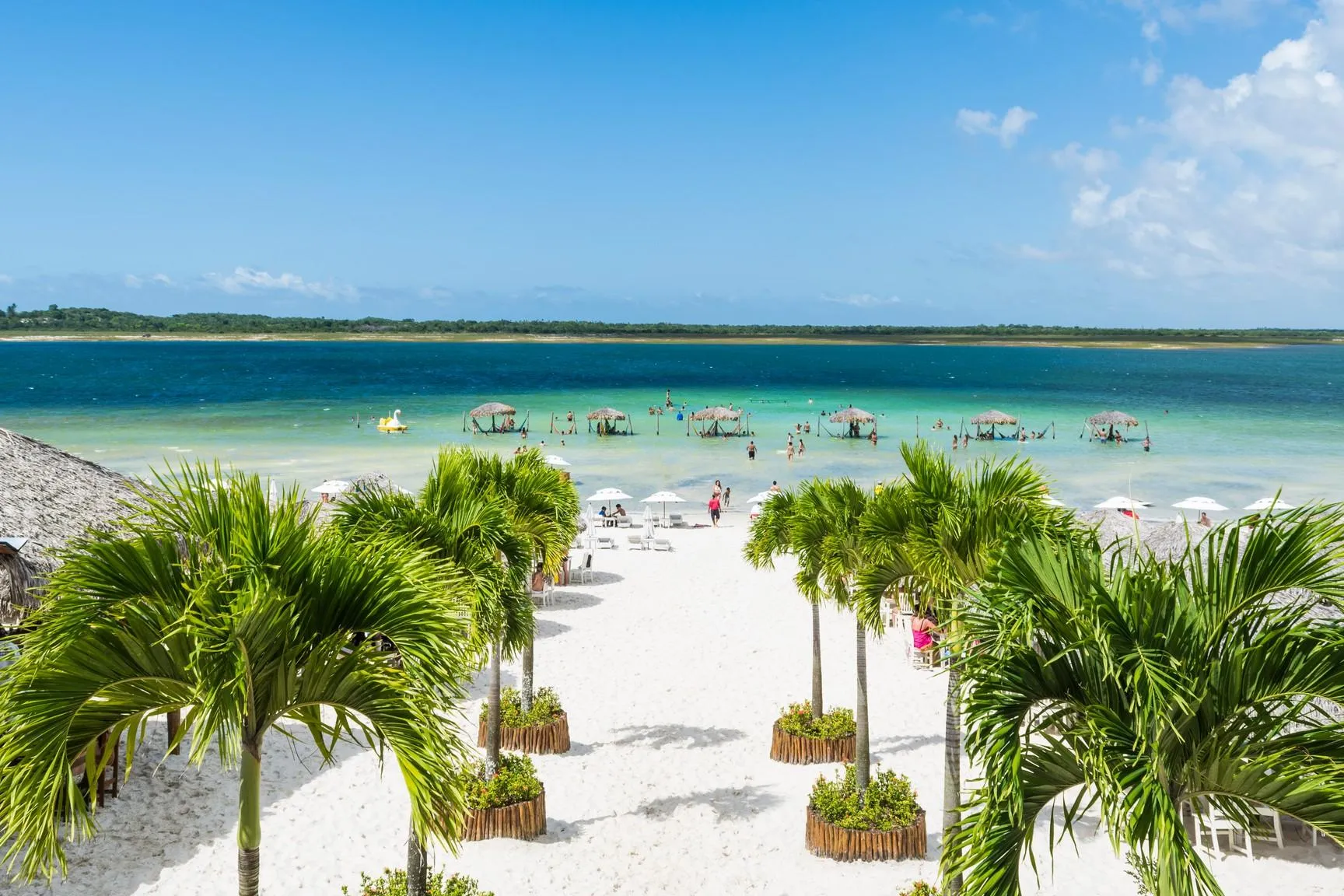
Nearby are Paradise Lagoon (10 km away, with hammocks and a zip line), Pedra Furada (a natural arch for photos), and Mangue Seco Beach. You can also combine your trip with a tour to the Parnaíba Delta, a few hours away by car.
Bring sunscreen, insect repellent, and light clothing; the village is car-free, so use a buggy or walk. Book accommodation in advance during high season and try local food such as fried fish; download the Visit Jericoacoara app for maps.
¿Prefieres escuchar en español?
🇪🇸 Escucha la audioguía de Jericoacoara Beach en español