No te vayas sin conocer la historia Suscribete
IAudioGuia iaudioguia
Audio Guides of Curitiba

Audio Guide of Tanguá Park

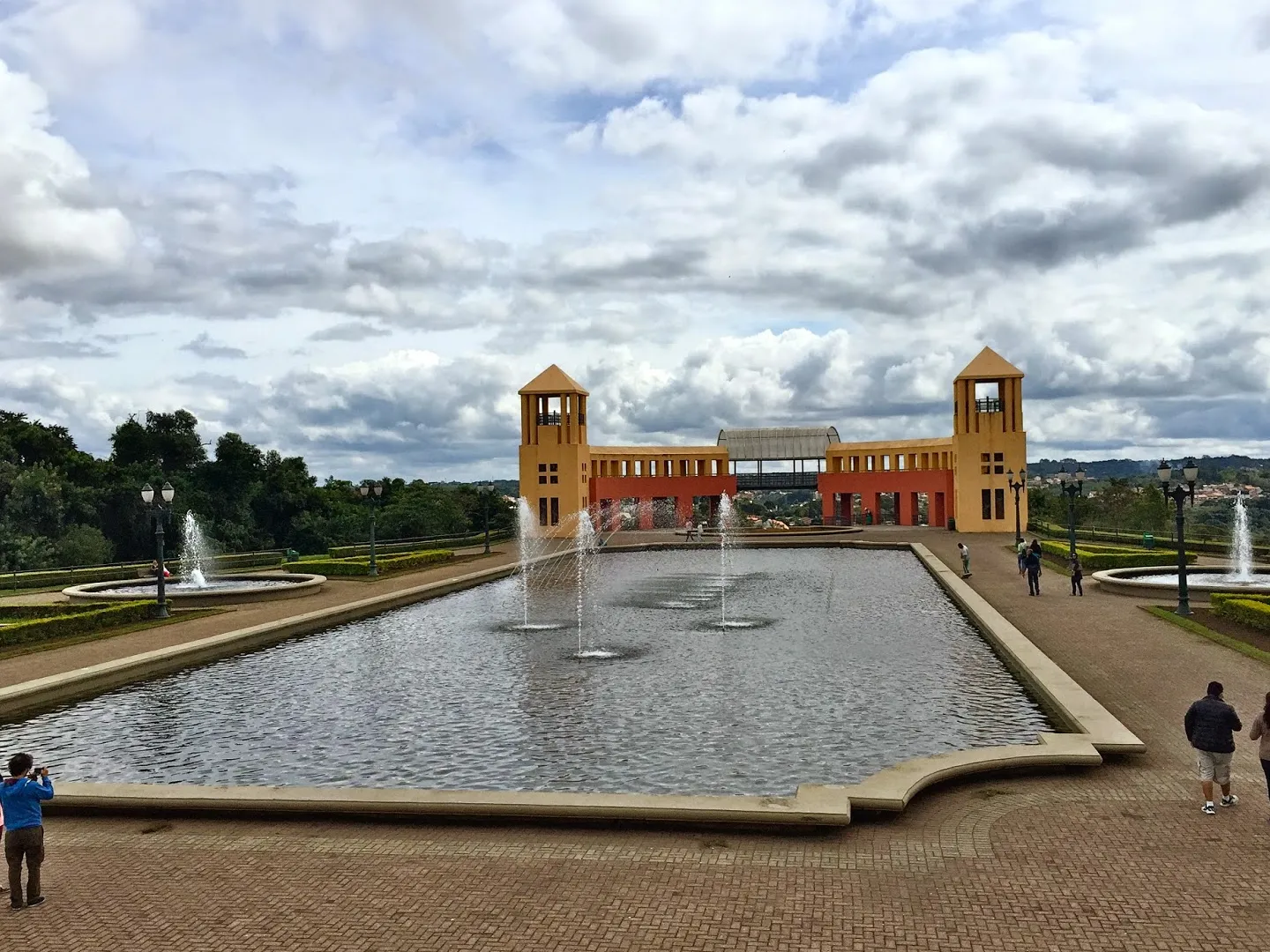
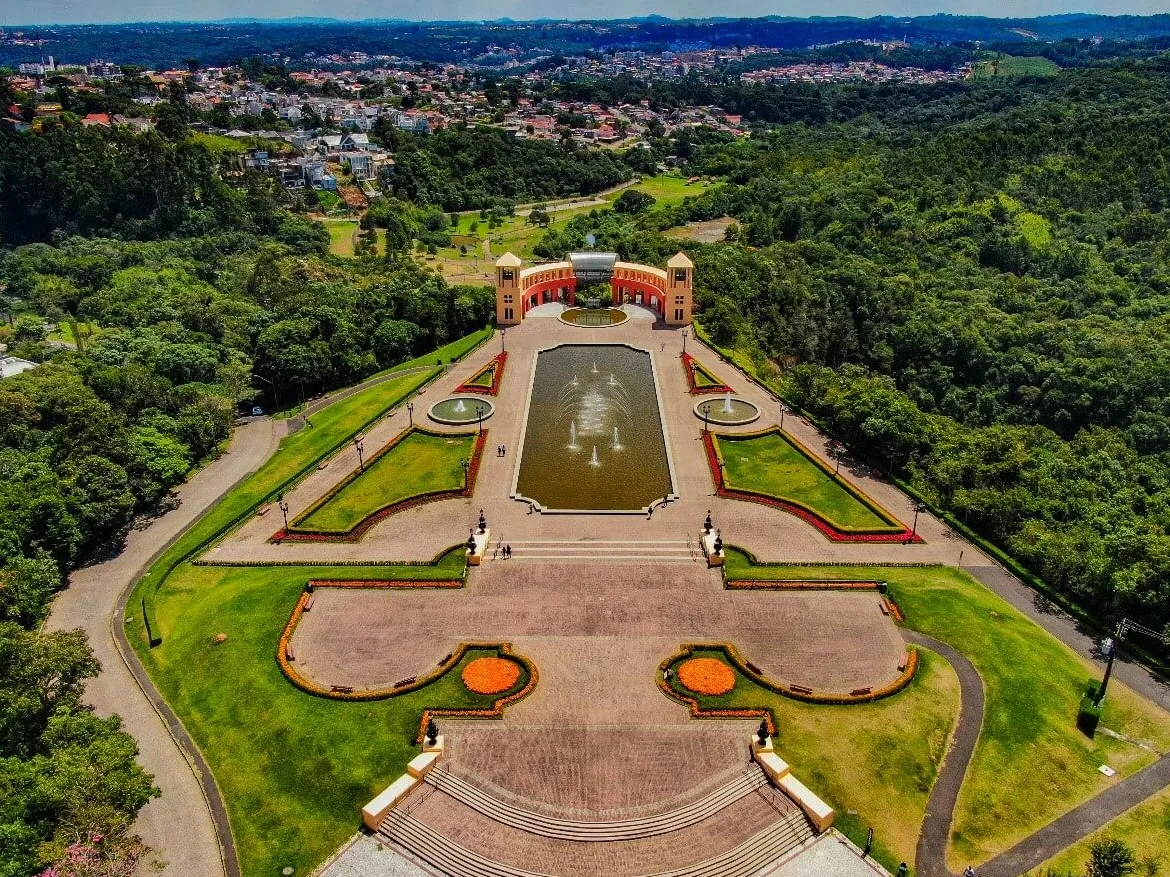
Oasis verde en Curitiba con un exquisito jardín japonés, cascadas y vistas panorámicas al embalse Capão da Imbuia. Un espacio de serenidad inspirado en la naturaleza y la cultura oriental.

✓ What guidebooks don't tell you
✓ Secrets other tourists miss
✓ Listen while you explore
Discover everything
00:00
00:00

📖 Audio Guide Chapters

6 chapters

1. Welcome to Tanguá Park

🔒 Premium Content

Subscribe to access all chapters of this audio guide.

2. The Architecture of Tanguá Park

🔒 Premium Content

Subscribe to access all chapters of this audio guide.

3. History and Figures of Tanguá Park

🔒 Premium Content

Subscribe to access all chapters of this audio guide.

4. Art and Details of Tanguá Park

🔒 Premium Content

Subscribe to access all chapters of this audio guide.

5. Secrets and Curiosities

🔒 Premium Content

Subscribe to access all chapters of this audio guide.

6. Farewell and Recommendations

🔒 Premium Content

Subscribe to access all chapters of this audio guide.

❓ Frequently Asked Questions

What are the opening hours, and what is the best way to get to Tanguá Park?

The park is open every day from 6:00 a.m. to 10:00 p.m., allowing both daytime and evening visits. To get there, the most convenient option for tourists is to use the Tourism Line, Curitiba’s official sightseeing bus, which has a stop right at the entrance.

Do I have to pay an entrance fee to access the park or any of its attractions?

No, entry to Tanguá Park is completely free for all visitors. You can access the upper gardens, the viewpoint, and the tunnel area at no cost, making it an essential and budget-friendly visit.

How much time should I set aside to explore the whole park?

We recommend setting aside between 1 and 2 hours to enjoy the experience at a relaxed pace. This is enough time to walk along the path over the water, cross the rock tunnel, and take in the panoramic views from the upper area.

What history lies behind Tanguá Park, and why is it important?

This site is a magnificent example of urban regeneration, inaugurated in 1996 on the remains of a former inactive stone quarry. Today it is a symbol of environmental preservation that protects the northern basin of the Barigui River and features an impressive artificial waterfall.

What is the best time of day to visit the park and take photos?

Without a doubt, sunset is the most spectacular time to visit the park and capture incredible photographs. The sunset from the viewpoint of the main building offers a golden view over the lake and the city that you should not miss.

Does the park have accessibility for people with reduced mobility?

Yes, the upper area and the main gardens are accessible and have paved ramps. However, access to the lower tunnel area and the lakeside walkway involves stairs, so that specific section may have limitations for wheelchair users.

What other tourist attractions can I visit near Tanguá Park?

Very close by you will find the famous Wire Opera House and Pedreira Paulo Leminski. It is very common to combine these visits in the same afternoon because of their proximity along the city’s northern tourist route.

What practical advice would you give me to make the most of the visit?

Wear comfortable, non-slip shoes, as you will likely want to go down the stairs toward the stone tunnel near the water. Also, if you stay until dusk, you will be able to see the park’s beautiful lighting, but do not forget to bring insect repellent.

¿Prefieres escuchar en español?

🇪🇸 Escucha la audioguía de Tanguá Park en español