No te vayas sin conocer la historia Suscribete
IAudioGuia iaudioguia
Audio Guides of Salvador

Audio Guide of Pelourinho

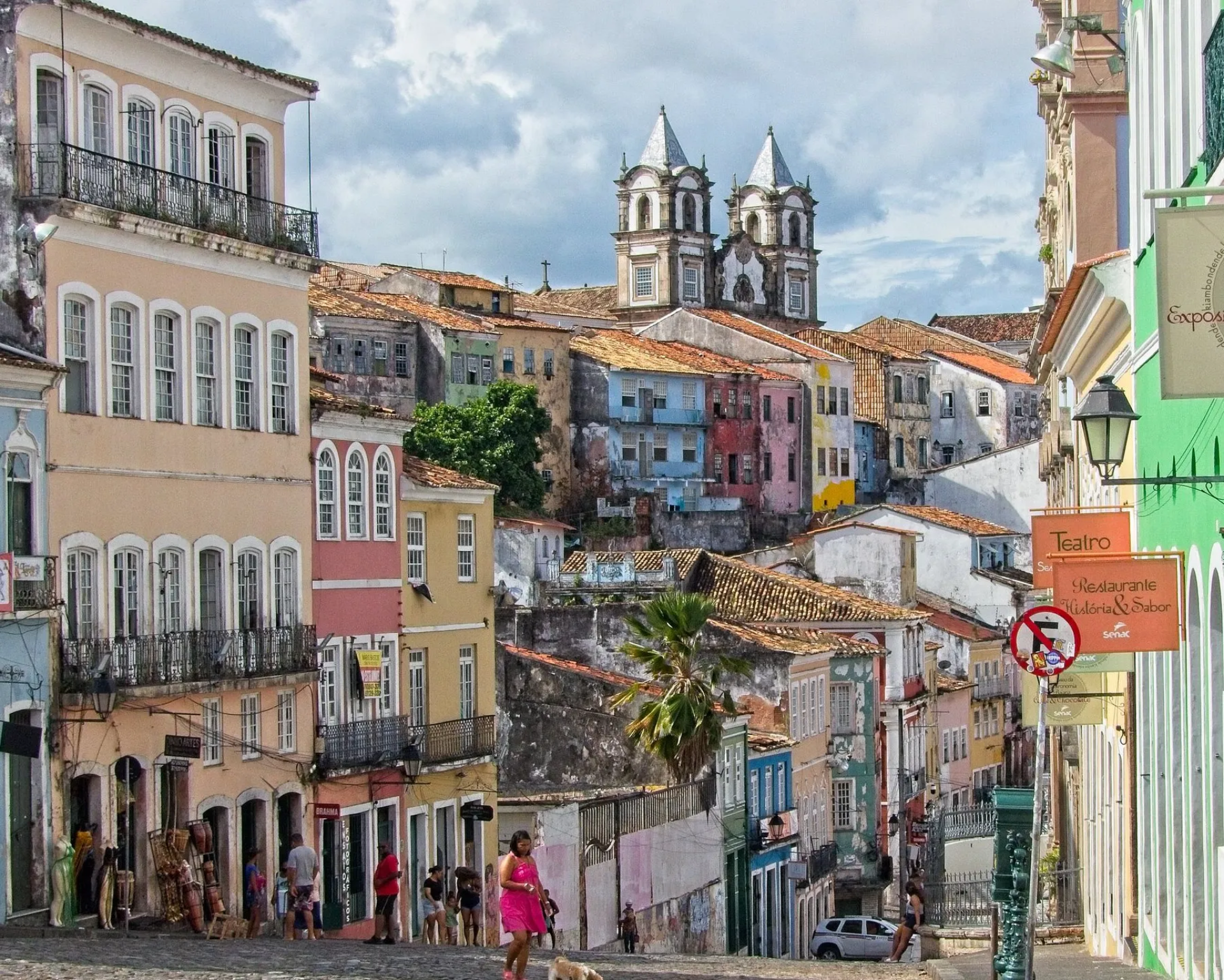
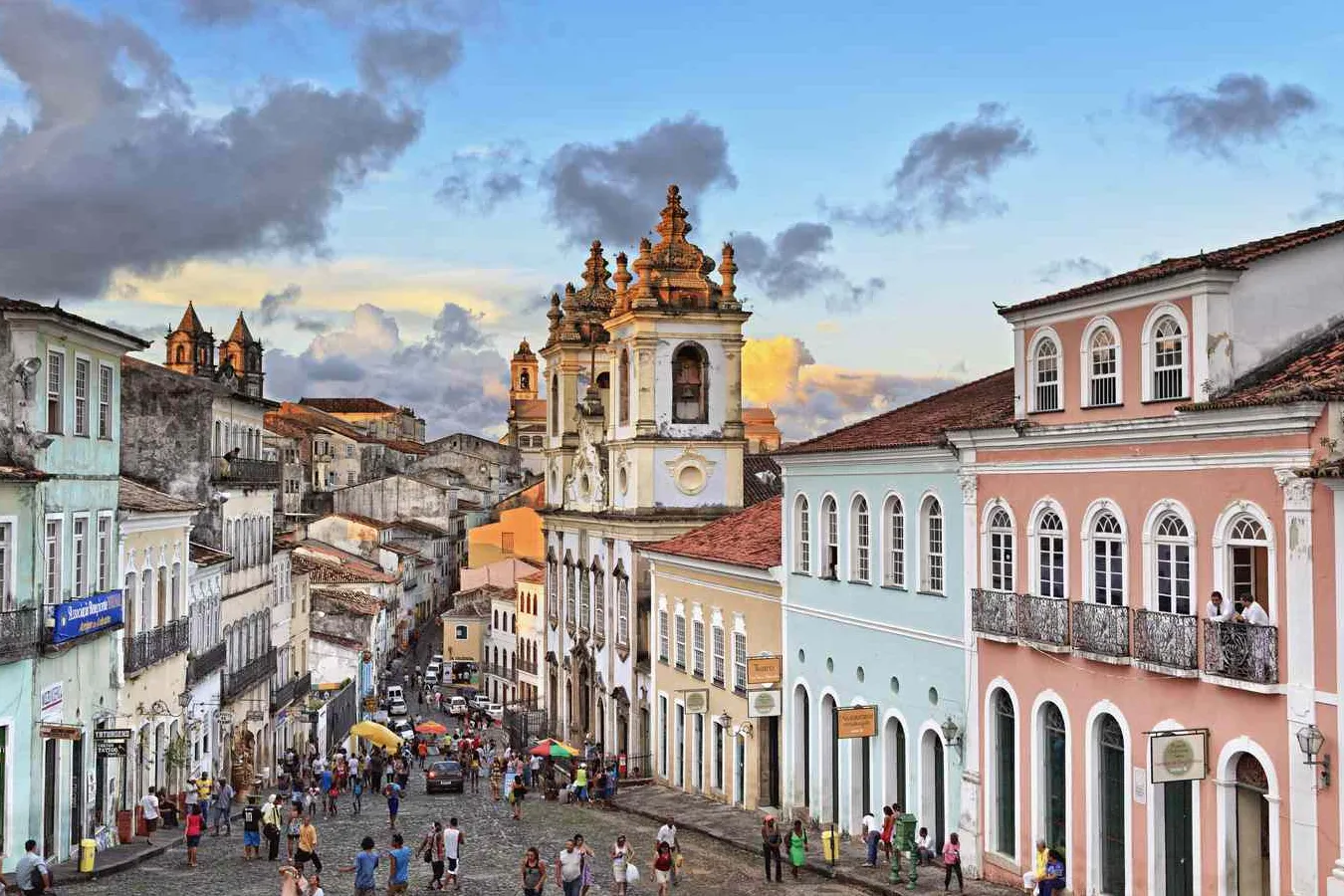
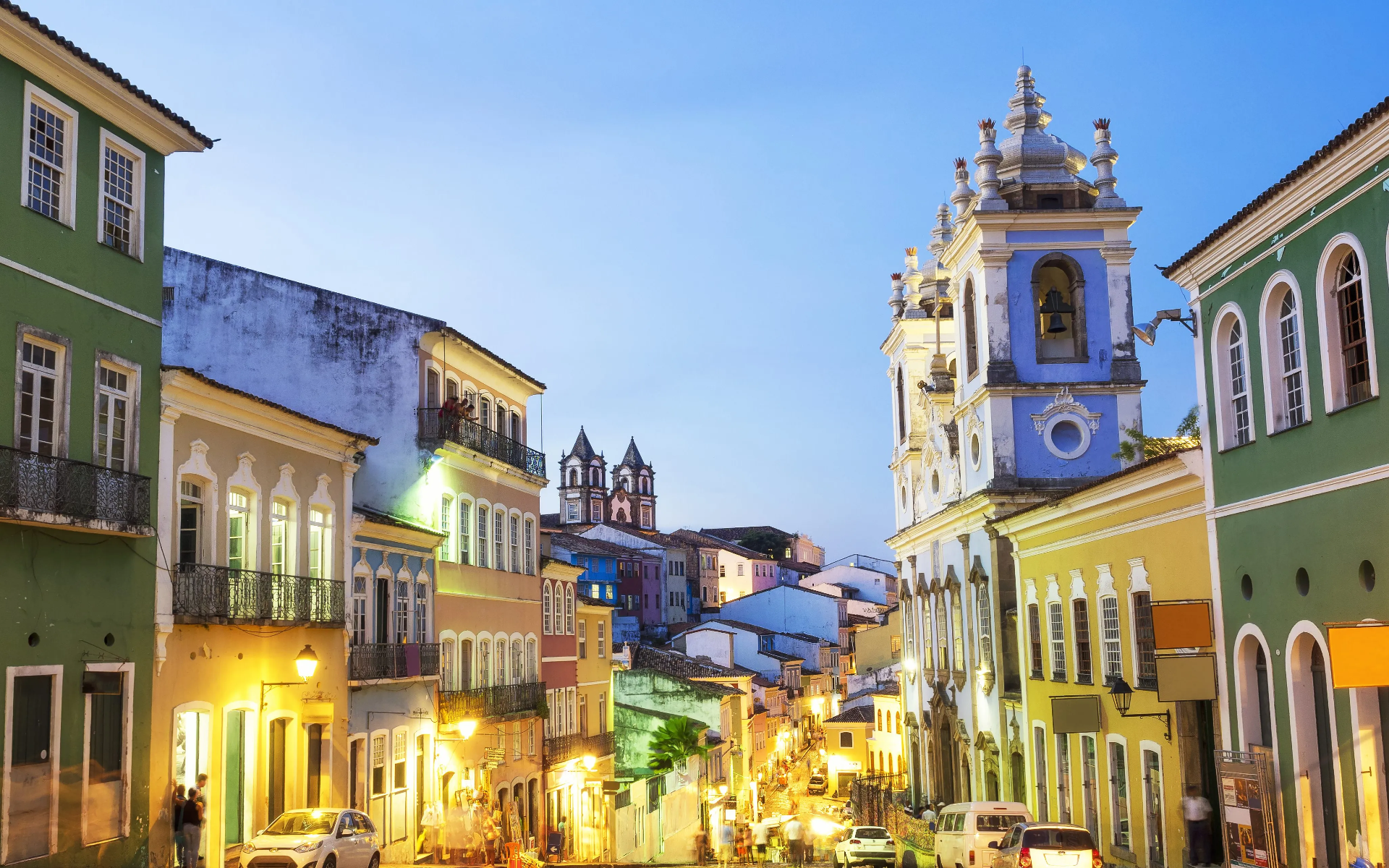
El Pelourinho es el corazón colonial de Salvador de Bahía, Brasil, un barrio empedrado de casas coloridas y arquitectura barroca, Patrimonio de la Humanidad por la UNESCO desde 1985.

✓ What guidebooks don't tell you
✓ Secrets other tourists miss
✓ Listen while you explore
Discover everything
00:00
00:00
Rate this audio guide

📖 Audio Guide Chapters

6 chapters

1. Welcome to Pelourinho

🔒 Premium Content

Subscribe to access all chapters of this audio guide.

2. The Architecture of Pelourinho

🔒 Premium Content

Subscribe to access all chapters of this audio guide.

3. History and Figures of Pelourinho

🔒 Premium Content

Subscribe to access all chapters of this audio guide.

4. Art and Details of Pelourinho

🔒 Premium Content

Subscribe to access all chapters of this audio guide.

5. Secrets and Curiosities

🔒 Premium Content

Subscribe to access all chapters of this audio guide.

6. Farewell and Recommendations

🔒 Premium Content

Subscribe to access all chapters of this audio guide.

❓ Frequently Asked Questions

What are the opening hours and how can I access Pelourinho?

Pelourinho is open 24 hours a day, as it is an open-air historic district, but visiting during daylight hours is recommended for greater safety. You can easily get there by bus, taxi, or on foot from downtown Salvador; the main access point is through Sé Square. For more details, visit Salvador’s official tourism website at Salvador da Bahia.

How much does it cost to enter Pelourinho, and do I need tickets?

Entry to Pelourinho is completely free, as it is a public historic area. However, some specific churches or museums within the district, such as the Church and Convent of Saint Francis, may charge admission fees of around 10–20 Brazilian reais. Check current prices on the official website Salvador da Bahia.

How much time is needed to visit Pelourinho?

It is recommended to allow at least 2–3 hours to stroll the cobbled streets, admire the colonial architecture, and visit a couple of key churches. If you want to explore museums or enjoy a capoeira performance, you could extend your visit to half a day. Plan according to your pace so you can fully enjoy this vibrant site without rushing.

What is the history or cultural significance of Pelourinho?

Pelourinho, declared a UNESCO World Heritage Site in 1985, was the colonial center of Salvador and a key site in the slave trade during the Portuguese era, where the pelourinho (whipping post) once stood. It represents the rich Afro-Brazilian heritage through its Baroque architecture, music, and traditions; it is the cultural heart of Bahia. More information is available on UNESCO’s page: UNESCO Pelourinho.

What is the best time to visit Pelourinho?

The best time is during the day, preferably in the morning or early afternoon, to avoid crowds and enjoy the natural light on the colorful facades. The ideal time of year is between May and September, during the dry season, although Carnival in February/March makes it especially lively. Avoid nighttime visits as a safety precaution.

Is Pelourinho accessible for people with reduced mobility?

Pelourinho has cobbled streets and steep slopes, which can make it challenging for wheelchair users or people with reduced mobility, although there are ramps in some main areas such as Sé Square. Using taxis or adapted transport services is recommended; contact Salvador’s tourist information center at +55 71 3176-1000 for specific assistance. More tips are available at Salvador da Bahia Accessibility.

What other attractions are near Pelourinho?

Near Pelourinho you will find the Church and Convent of Saint Francis, the Afro-Brazilian Museum, and the Cathedral Basilica. Just a few minutes away by taxi or on foot, you can visit the Lacerda Elevator and Mercado Modelo by the waterfront. To plan your route, use the interactive map at Salvador da Bahia Destinations.

What are some practical tips for my visit to Pelourinho?

Wear comfortable shoes for the uneven streets, use sunscreen, and keep your belongings secure in crowded areas; consider hiring a local guide for authentic stories. Try Bahian food such as acarajé at nearby restaurants, and check events on the official website Salvador da Bahia Events so you do not miss samba or capoeira shows.

¿Prefieres escuchar en español?

🇪🇸 Escucha la audioguía de Pelourinho en español