No te vayas sin conocer la historia Suscribete
IAudioGuia iaudioguia
Audio Guides of Salvador

Audio Guide of the Afro-Brazilian Museum

Donde los orixás susurran secretos y las paredes guardan memorias de libertad

✓ What guidebooks don't tell you
✓ Secrets other tourists miss
✓ Listen while you explore
Discover everything
00:00
00:00
Rate this audio guide

📖 Audio Guide Chapters

6 chapters

1. The Day the Walls Spoke

🔒 Premium Content

Subscribe to access all chapters of this audio guide.

2. Trompe-l'oeil and Wooden Orixás

🔒 Premium Content

Subscribe to access all chapters of this audio guide.

3. Feuds in the Anatomy Room

🔒 Premium Content

Subscribe to access all chapters of this audio guide.

4. The Spiritualist with the Photocopier

🔒 Premium Content

Subscribe to access all chapters of this audio guide.

5. The Conspiracy of the Tiles

🔒 Premium Content

Subscribe to access all chapters of this audio guide.

6. Wardrobe of Memories

🔒 Premium Content

Subscribe to access all chapters of this audio guide.

❓ Frequently Asked Questions

What are the opening hours of the Afro-Brazilian Museum and how can I get there?

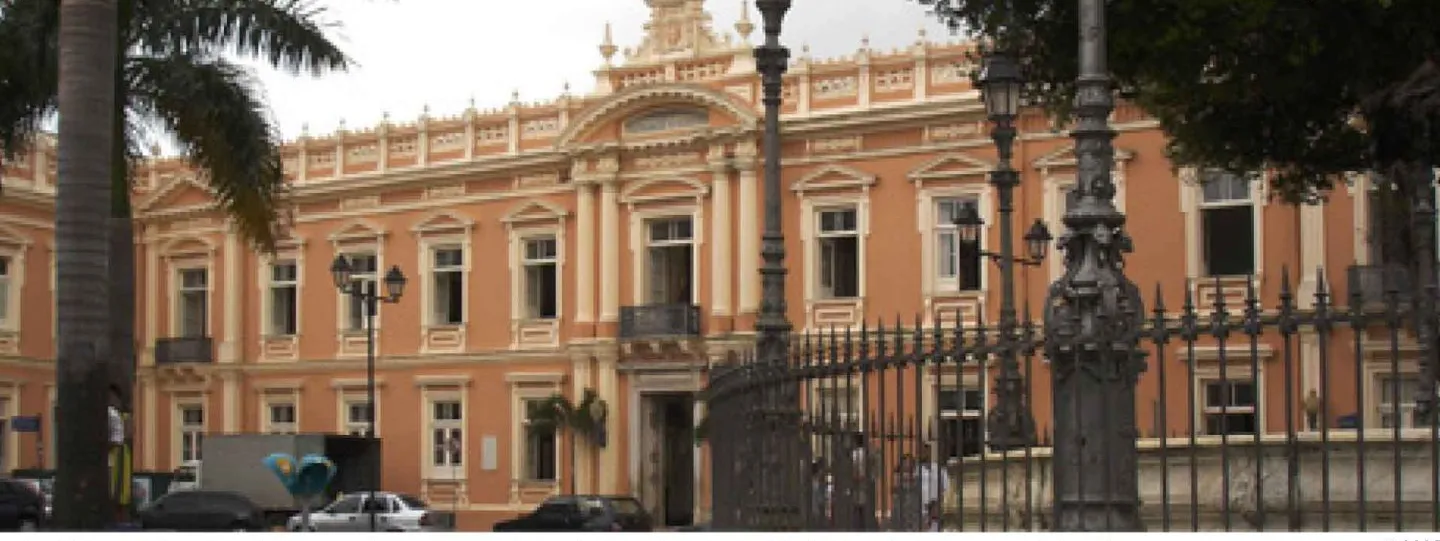
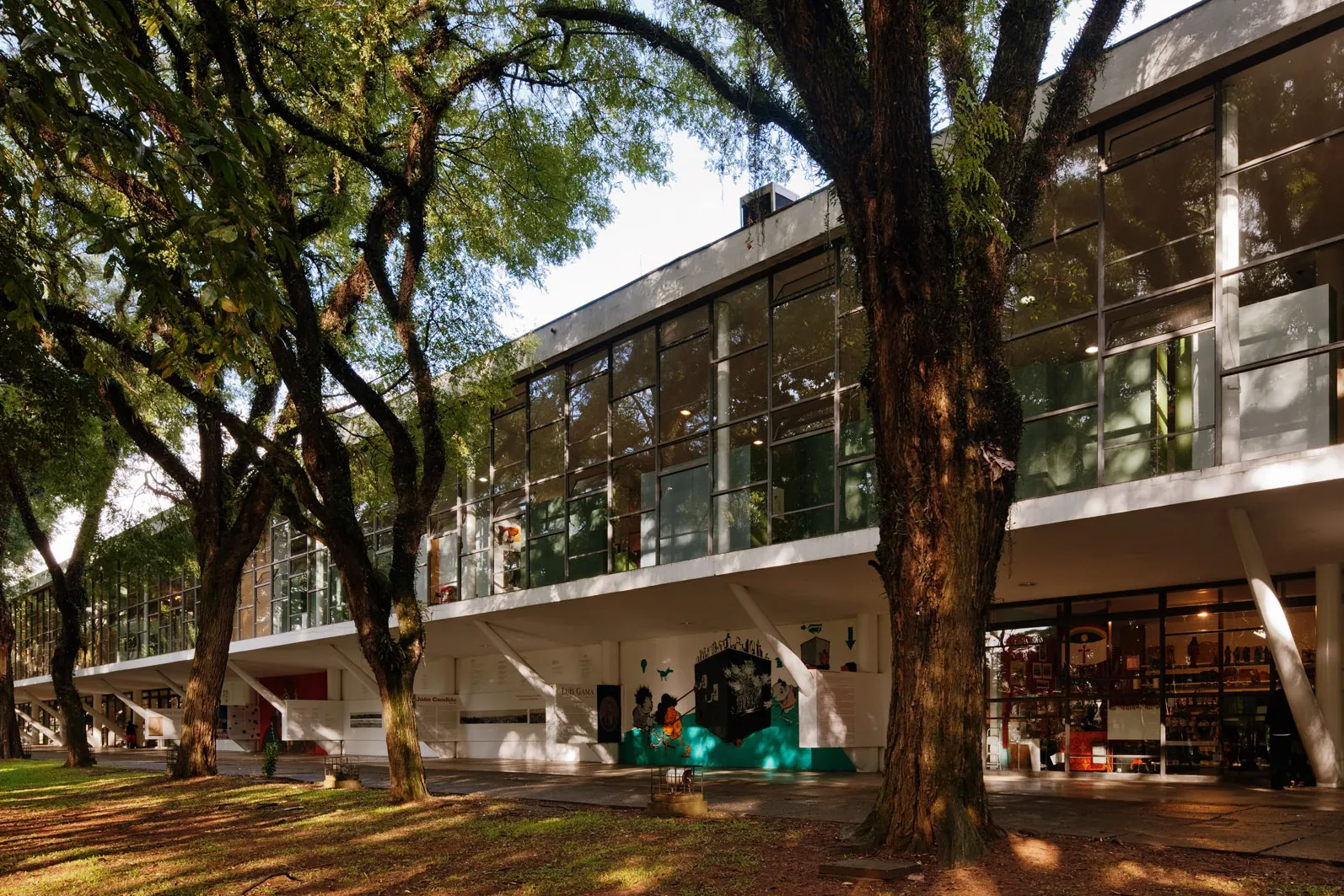
The museum is open Tuesday to Friday from 9:00 AM to 6:00 PM, Saturdays and Sundays from 10:00 AM to 5:00 PM, and is closed on Mondays and national holidays. It is located at the Federal University of Bahia, in Terreiro de Jesus, in the historic center of Salvador; you can easily get there by bus or taxi from Pelourinho, or on foot if you are in the historic area. For more details, visit the official UFBA website.

How much does admission to the Afro-Brazilian Museum cost, and do I need to buy tickets in advance?

Admission is free for all visitors, making it accessible for every budget. There is no need to reserve tickets in advance, but arriving early in high season is recommended to avoid crowds. If you can, consider making a voluntary donation to support its upkeep.

How much time is needed to visit the Afro-Brazilian Museum?

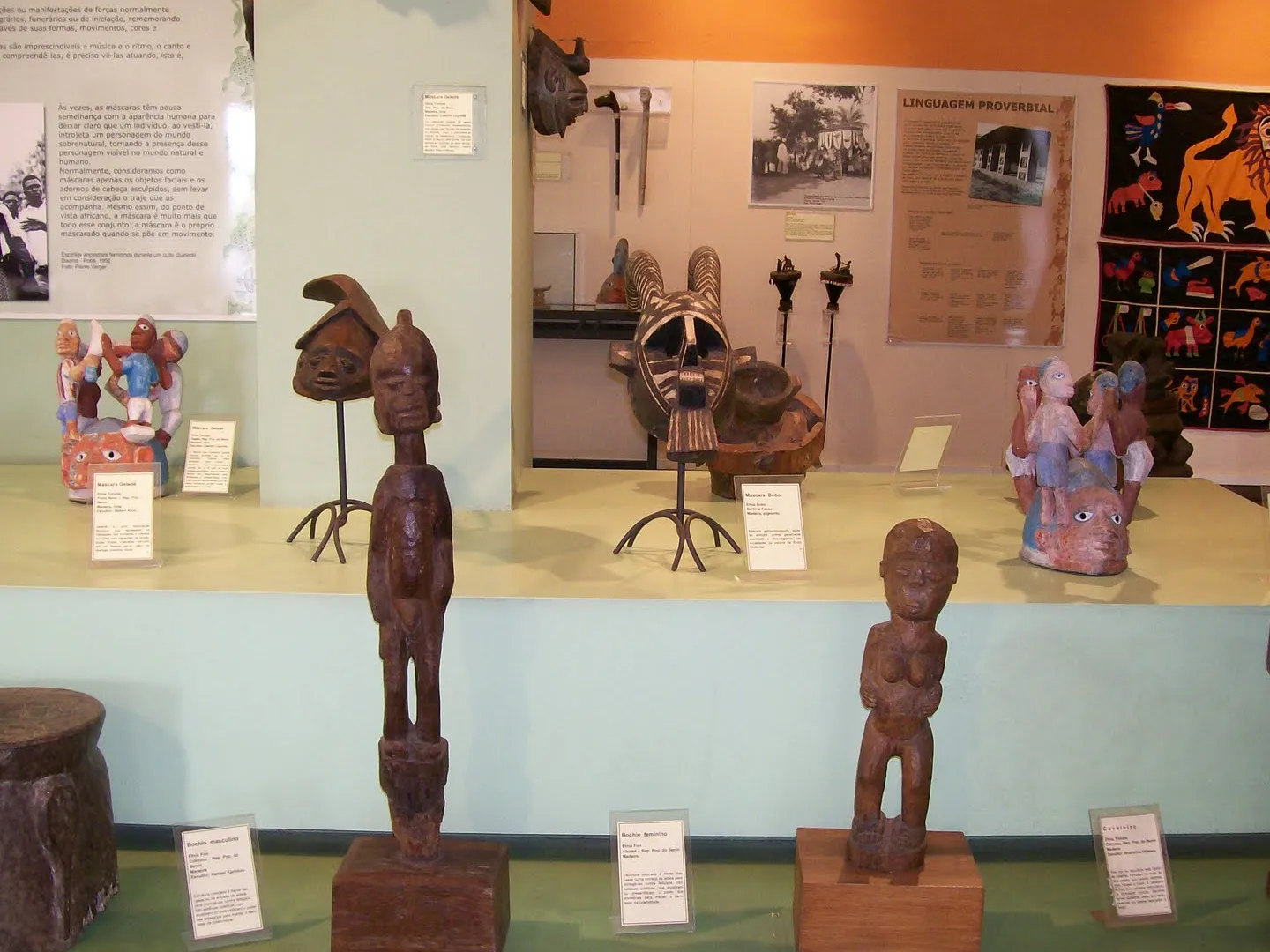
It is recommended to allow at least 1 to 2 hours to explore the main exhibitions at a relaxed pace. If you are a fan of Afro-Brazilian art and history, you may want to extend your visit to 3 hours to appreciate details such as the masks and sculptures. Plan according to your itinerary so you do not get tired.

What is the historical and cultural importance of the Afro-Brazilian Museum?

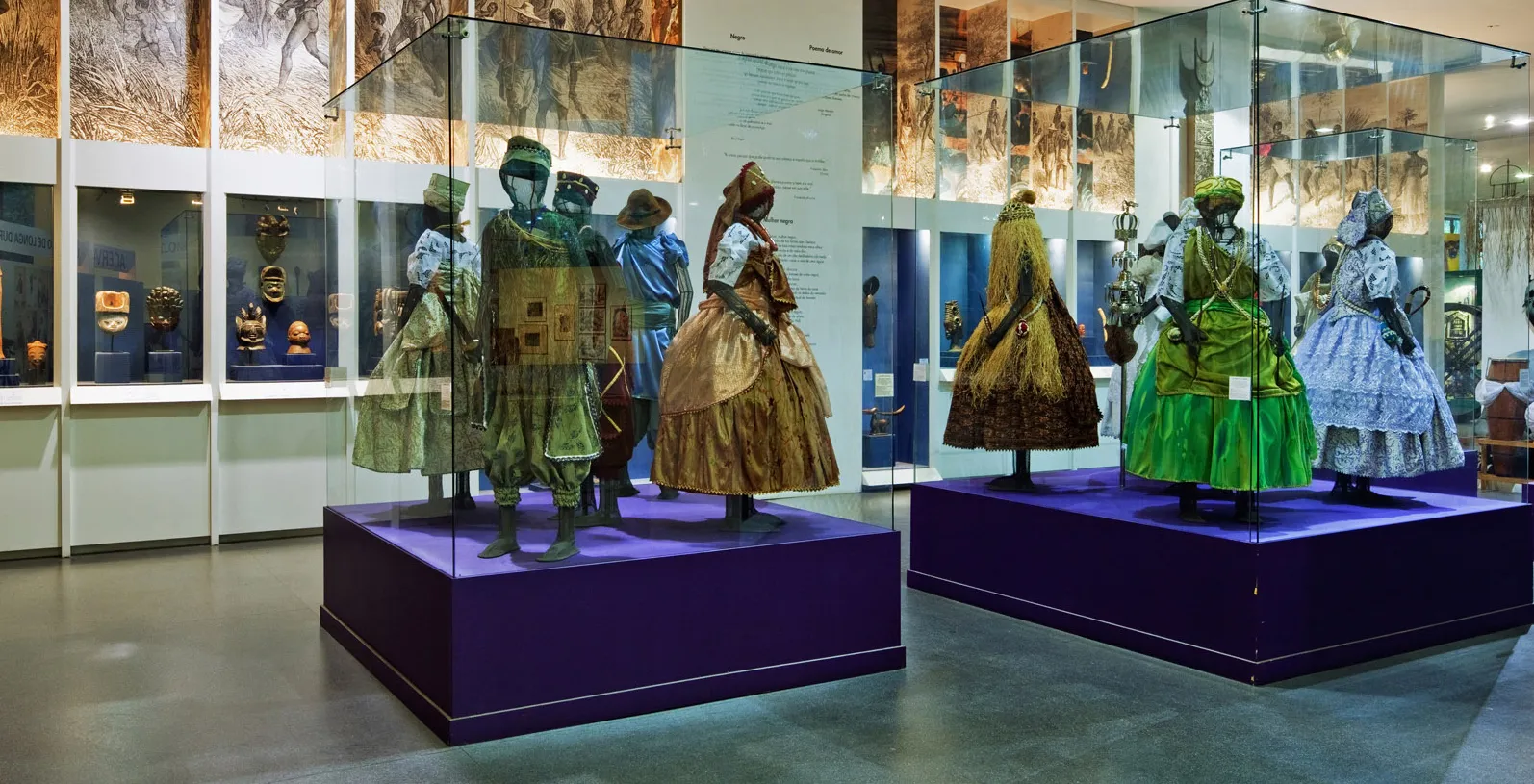
Founded in 1973, the museum highlights African heritage in Brazil, with collections of more than 1,200 pieces including sculptures, masks, and artifacts from Afro-Brazilian religions such as Candomblé. It stands as a tribute to the African diaspora and its influence on the culture of Bahia, promoting education about slavery and cultural resistance. It is an essential place for understanding the diversity of Salvador.

What is the best time of year or day to visit the Afro-Brazilian Museum?

The best time is during the dry season from March to June or September to December, avoiding the heaviest rains from July to August; in February, it coincides with Carnival for a vibrant experience. Go early in the morning, around 9:00 or 10:00 AM, for fewer people and cooler temperatures in Salvador's tropical climate.

Is the Afro-Brazilian Museum accessible for people with reduced mobility?

Yes, the museum has access ramps, elevators in the main areas, and wheelchair-accessible restrooms, although some older rooms may have a few steps. I recommend contacting the staff on site for personalized assistance; the contact phone number is +55 71 3283-8513. For more information, see the official website.

What other attractions can I see near the Afro-Brazilian Museum?

In the surrounding historic center, visit Pelourinho with its colorful colonial streets, the Basilica Cathedral of Salvador just a few blocks away, or the Church and Convent of Saint Francis with its Baroque gold. Do not miss Mercado Modelo for local handicrafts, all within a 5- to 15-minute walk; combine it with a guided tour to make the most of the day.

What practical tips can help me make the most of my visit to the Afro-Brazilian Museum?

Wear comfortable shoes for walking on the cobblestone streets of the historic center, and consider downloading an audio guide or joining a guided tour in Portuguese or English to gain deeper insight into the exhibitions. Avoid using flash in photos to respect the pieces, and eat at a nearby Bahian restaurant to try acarajé afterward; check updates on the official website before you go.

¿Prefieres escuchar en español?

🇪🇸 Escucha la audioguía de the Afro-Brazilian Museum en español