No te vayas sin conocer la historia Suscribete
IAudioGuia iaudioguia
Audio Guides of Salvador

Audio Guide of Dique do Tororó

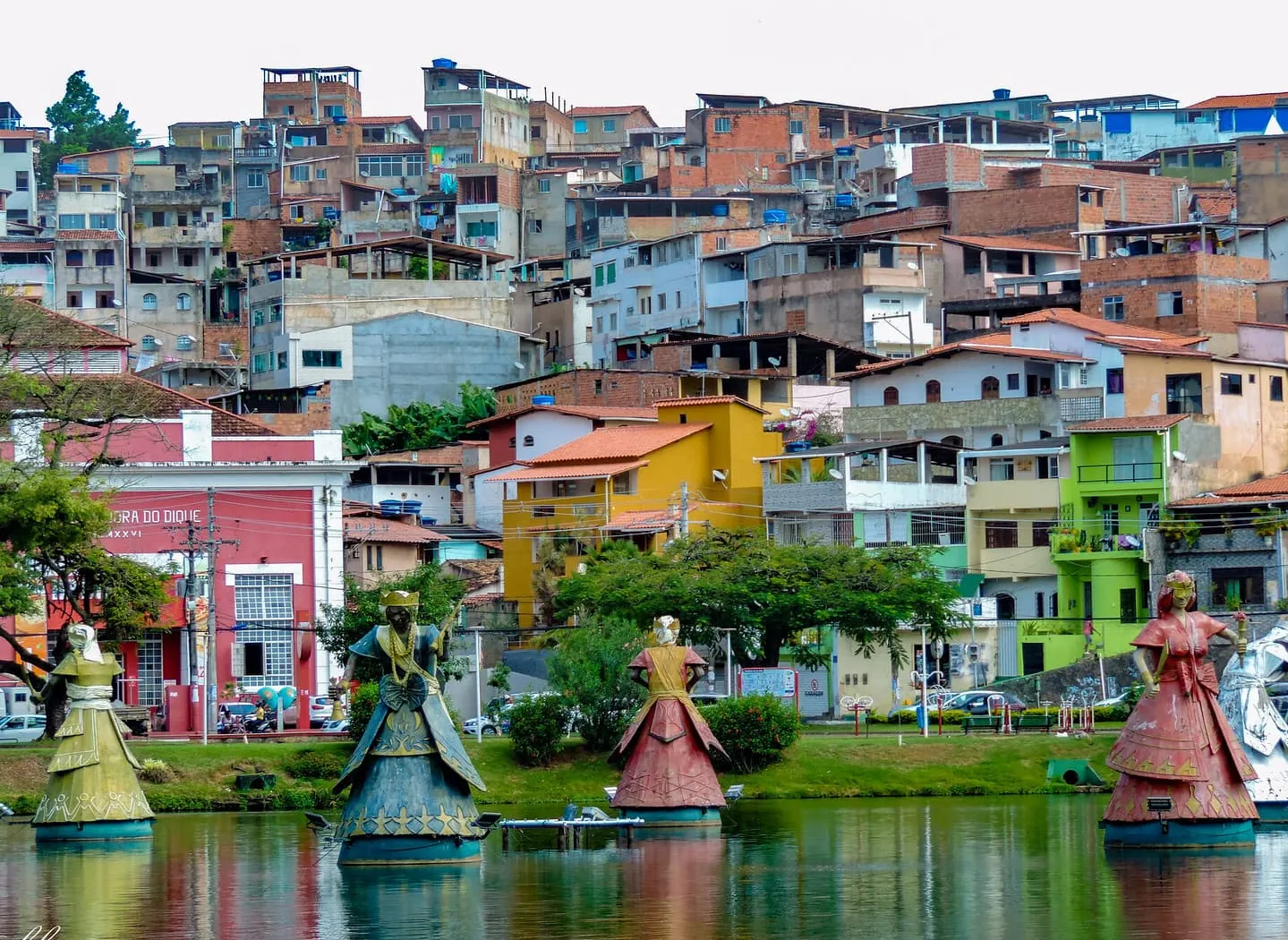
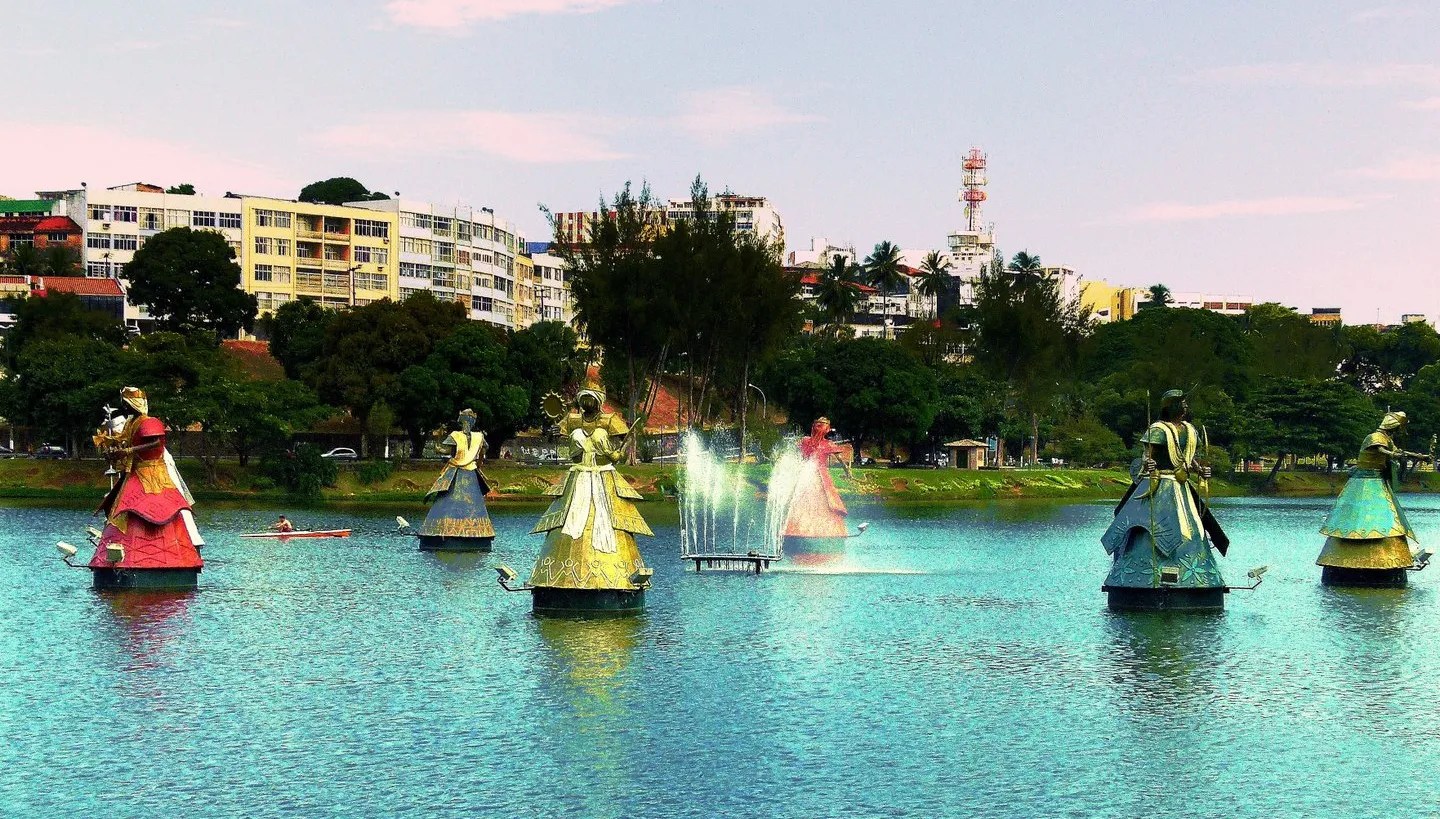
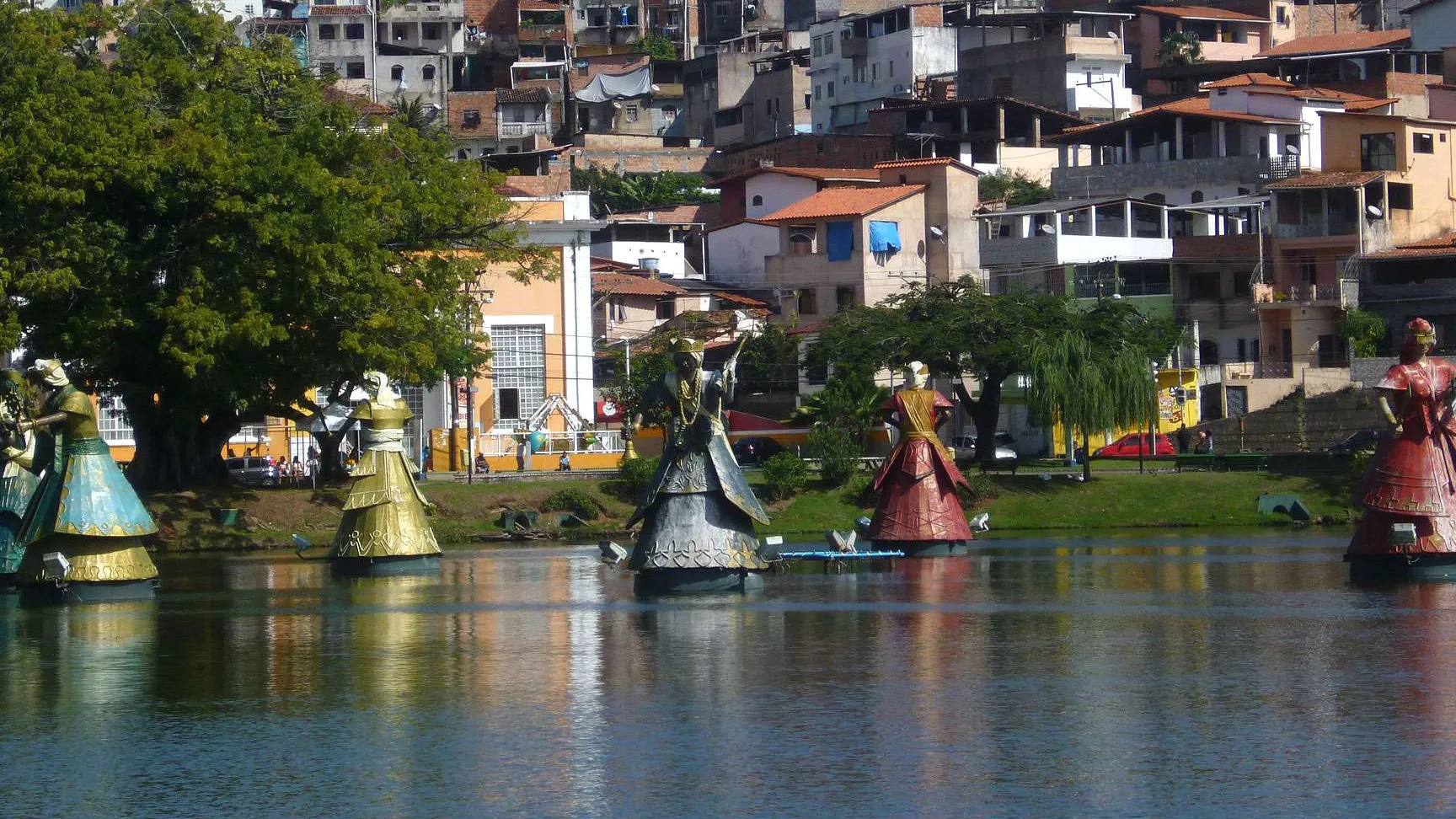
Dique do Tororó is an artificial lake in the heart of Salvador, surrounded by mystery and Bahian culture.

✓ What guidebooks don't tell you
✓ Secrets other tourists miss
✓ Listen while you explore
Discover everything
00:00
00:00
Rate this audio guide

📖 Audio Guide Chapters

6 chapters

1. Introduction and History

🔒 Premium Content

Subscribe to access all chapters of this audio guide.

2. Architecture and Design

🔒 Premium Content

Subscribe to access all chapters of this audio guide.

3. Art and Decoration

🔒 Premium Content

Subscribe to access all chapters of this audio guide.

4. Historical Figures

🔒 Premium Content

Subscribe to access all chapters of this audio guide.

5. Curiosities and Legends

🔒 Premium Content

Subscribe to access all chapters of this audio guide.

6. Cultural Importance and Legacy

🔒 Premium Content

Subscribe to access all chapters of this audio guide.

❓ Frequently Asked Questions

What are the opening hours of Dique do Tororó and how can I get there?

Dique do Tororó is a public park open 24 hours a day, although it is recommended to visit during daylight hours for greater safety and to enjoy the views. You can get there by bus (lines going to downtown such as 001 or 013), taxi, or Uber from central Salvador; it is located in the Tororó neighborhood, about 15–20 minutes from Pelourinho. For more transport details, check the official City of Salvador website.

Do I have to pay admission to visit Dique do Tororó, or is it free?

Visiting Dique do Tororó is completely free, as it is a public space accessible to everyone. There are no admission fees or additional costs unless you decide to rent a boat or something similar on site. This makes it ideal for low budgets; check updates on the Bahiatursa website.

How much time is recommended for a visit to Dique do Tororó?

A typical visit lasts between 30 minutes and 1 hour, depending on whether you only walk along the bridge or stop to enjoy the views, take photos, or have a picnic. If you combine it with a boat ride, it could extend to 1.5 hours. It is perfect for a quick stop on your Salvador itinerary.

What is the history or cultural significance of Dique do Tororó?

Dique do Tororó was built in the 19th century as a water reservoir to supply the city of Salvador, but today it is a cultural icon because of its arched pedestrian bridge and its role in local life, inspiring Bahian art and music. It represents the blend of industrial history and nature in Bahia, and it is a popular spot to relax. For more about its heritage, visit the Artistic and Cultural Heritage Institute of Bahia.

When is the best time of day or year to visit Dique do Tororó?

The best time of day is at sunset, when the sun reflects on the water creating magical views, or in the morning to avoid the intense heat. As for the year, the dry season from April to October offers better weather; avoid the rainy season if you can. It is especially beautiful during Salvador Carnival in February and March.

Is Dique do Tororó accessible for people with reduced mobility?

Yes, the main area of the reservoir has paved paths and level access ideal for wheelchairs, although the pedestrian bridge has some steps that may require assistance. The park has ramps in key areas, but it is advisable to go with a companion if mobility limitations are severe. For detailed information, contact the Salvador accessibility program or call +55 71 3202-1000.

What other attractions are near Dique do Tororó?

Near Dique do Tororó you will find Santo Antônio da Barra Fort about 10 minutes away by car, with panoramic views, and vibrant Pelourinho, Salvador’s historic center, 15–20 minutes away. You can also visit Mercado Modelo for local handicrafts, perfect for a full day of sightseeing in the lower city.

What are some practical tips to make the most of my visit to Dique do Tororó?

Bring insect repellent and sunscreen, as it is a natural area with water; wear comfortable shoes for walking on the bridge and go in a group for greater safety, especially at sunset. Try a fresh coconut or local street food such as acarajé from nearby vendors, and download an offline map for navigation. If you plan to take photos, sunrise is ideal to avoid crowds.

¿Prefieres escuchar en español?

🇪🇸 Escucha la audioguía de Dique do Tororó en español