
No te vayas sin conocer la historia Suscribete
IAudioGuia iaudioguia
Audio Guides of Natal

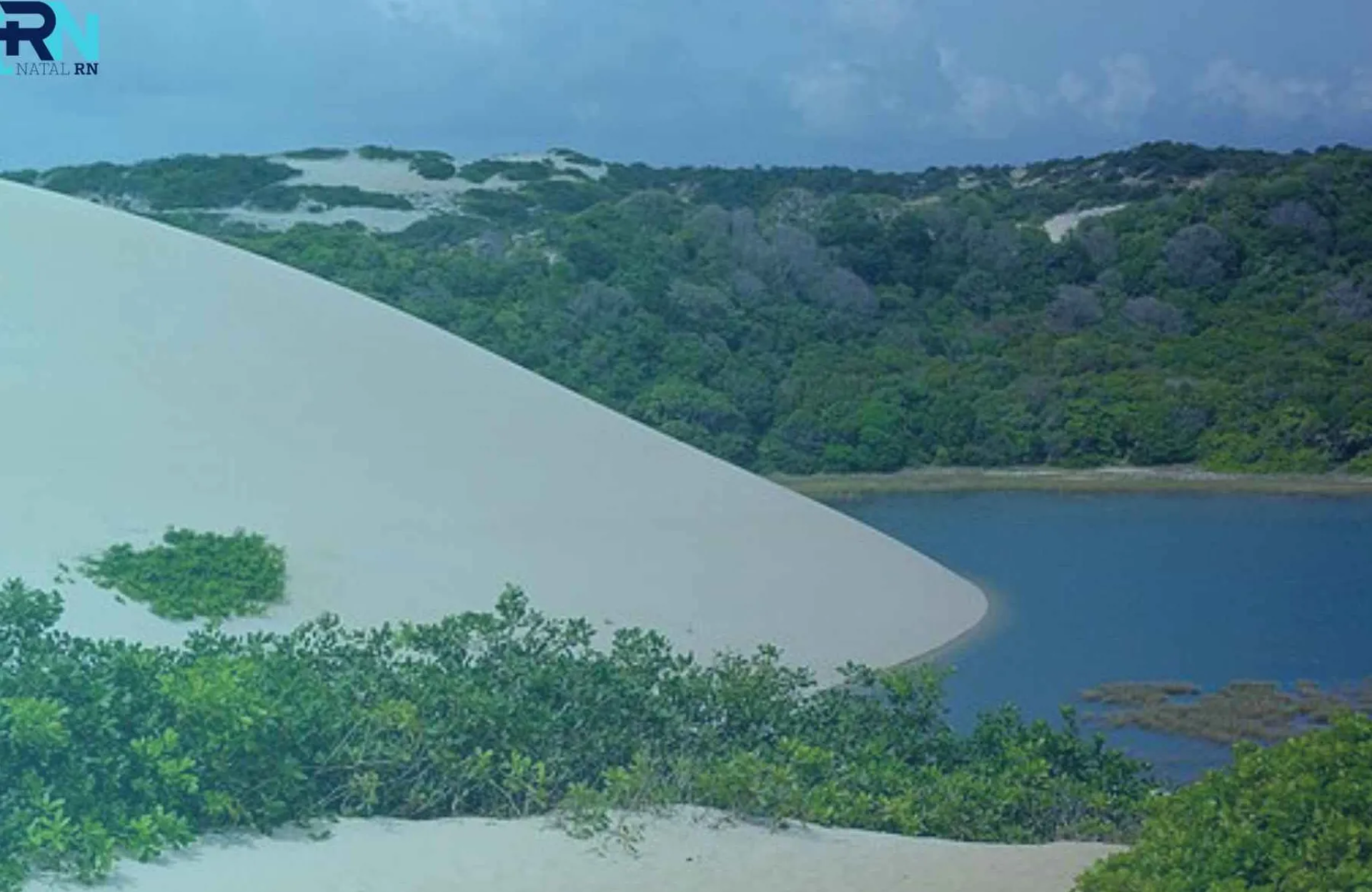
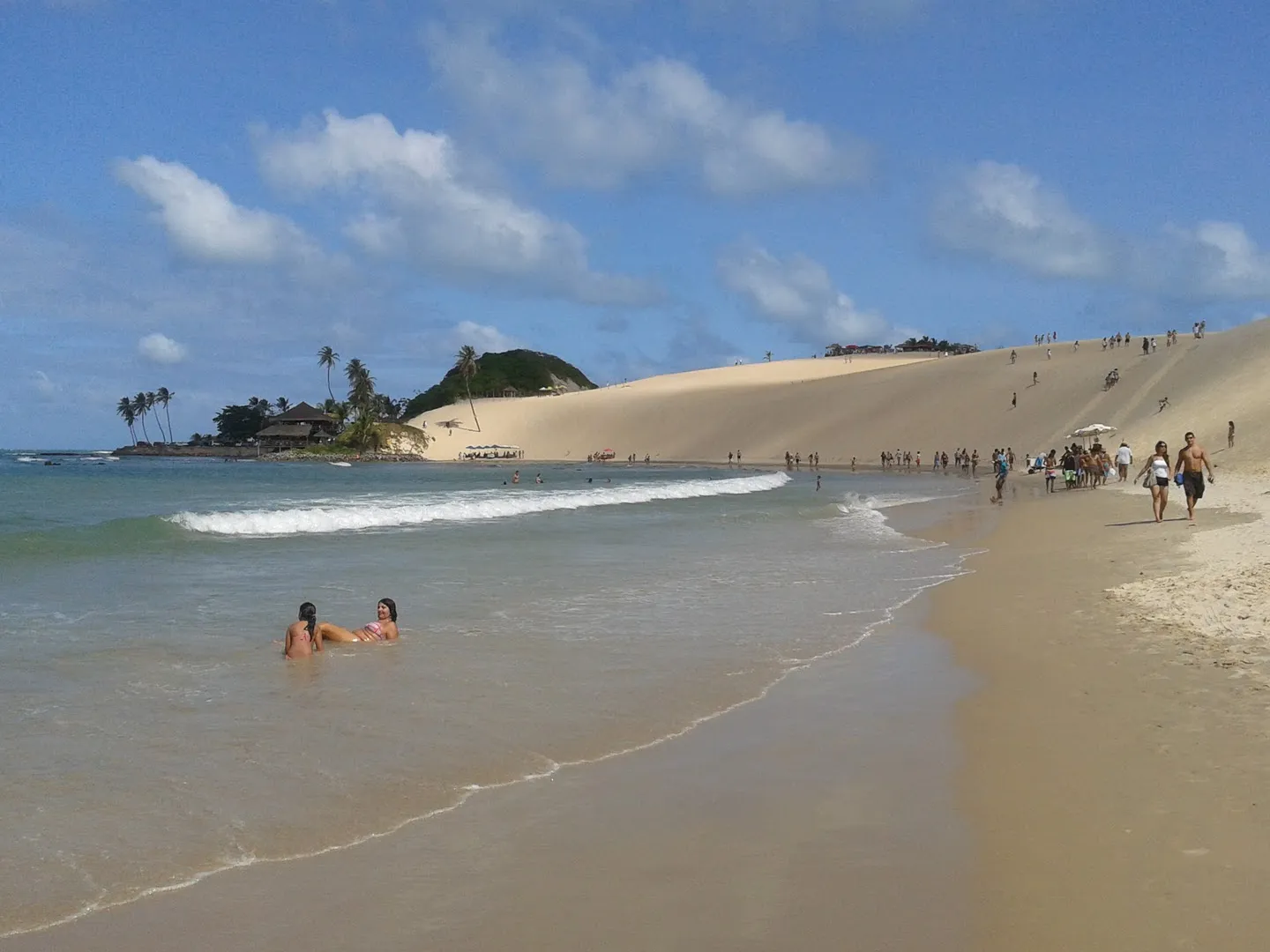
Audio Guide of Genipabu Dunes Ecological Tourist Park

A natural oasis where golden dunes meet crystal-clear lagoons and a vibrant ecosystem.

✓ What guidebooks don't tell you
✓ Secrets other tourists miss
✓ Listen while you explore
Discover everything
00:00
00:00

📖 Audio Guide Chapters

6 chapters

1. A Golden Awakening: The Creation of the Dunes

🔒 Premium Content

Subscribe to access all chapters of this audio guide.

2. Between Sand and Fresh Water: A Unique Ecosystem

🔒 Premium Content

Subscribe to access all chapters of this audio guide.

3. Buggy Culture: A Tradition in Motion

🔒 Premium Content

Subscribe to access all chapters of this audio guide.

4. Camels and Exotic Charm

🔒 Premium Content

Subscribe to access all chapters of this audio guide.

5. Sandy Legends and the Whisper of the Wind

🔒 Premium Content

Subscribe to access all chapters of this audio guide.

6. Preservation and Legacy: A Natural Treasure for the Future

🔒 Premium Content

Subscribe to access all chapters of this audio guide.

❓ Frequently Asked Questions

What are the opening hours of Genipabu Dunes Ecological Tourist Park and how can I get there?

The park is open every day from 8:00 AM to 6:00 PM, although activities such as buggy tours may vary depending on the weather. To get there, you can take a bus from downtown Natal to Genipabu, which takes about 30 minutes, or rent a car; the address is Av. Genipabu, s/n, Natal - RN. For more details, visit Natal's official tourism site: Natal Tourism.

How much is admission to Genipabu Dunes Ecological Tourist Park, and are there free options?

Admission to the park is free, but popular activities such as buggy rides cost between BRL 100 and 150 per person, depending on the tour selected. Children under 5 enter the basic attractions free of charge. Check updated prices on TripAdvisor.

How much time is recommended for a full visit to the Genipabu Dunes?

It is recommended to set aside at least 3 to 4 hours to explore the dunes, climb the sand hills, and enjoy an optional tour. If you include Genipabu Lagoon and water activities, it could extend to half a day. Plan ahead to avoid rushing through this large natural area.

What is the history or cultural significance of the Genipabu Dunes?

The Genipabu Dunes are a natural phenomenon formed by winds and ocean currents thousands of years ago, and they are part of Parque das Dunas, a protected area of 1,200 hectares declared National Natural Heritage. Culturally, they represent the beauty of Brazil’s northeastern coastline and are a symbol of ecotourism in Natal, attracting visitors seeking to connect with the region’s Indigenous and colonial natural heritage.

What is the best time of year or time of day to visit the Genipabu Dunes?

The best period is during the dry season from September to February, when the weather is sunny and the dunes are more accessible; avoid the rainy season from March to August. Early morning, around 9:00 AM, is ideal to avoid intense heat and enjoy stunning sunrise views.

Is Genipabu Dunes Ecological Tourist Park accessible for people with reduced mobility?

The main access to the dunes is through loose sand, which makes them challenging for wheelchairs, but there are paved paths near the lagoon and adapted buggy tour options. I recommend contacting the visitor center at +55 84 99999-9999 for specific assistance or guides. More info at RN Tourism Department.

What other attractions are near the Genipabu Dunes?

Nearby you will find Genipabu Lagoon for water sports, the Genipabu Lookout with panoramic views, and just a 20-minute drive away, Ponta Negra Beach in Natal. You can also combine it with a visit to Fort of the Three Wise Men, about 15 km away, for a full day of coastal exploration.

What practical tips can help me make the most of my visit to the Genipabu Dunes?

Bring sunscreen, water, a hat, and comfortable shoes for walking on sand; book buggy tours in advance to avoid waiting. Go with a local guide to learn about the flora and fauna, and respect ecological rules by not leaving trash behind. For bookings, use Viator.

¿Prefieres escuchar en español?

🇪🇸 Escucha la audioguía de Genipabu Dunes Ecological Tourist Park en español