No te vayas sin conocer la historia Suscribete
IAudioGuia iaudioguia
Audio Guides of Fernando De Noronha

Audio Guide of Fernando de Noronha - Environmental Protection Area

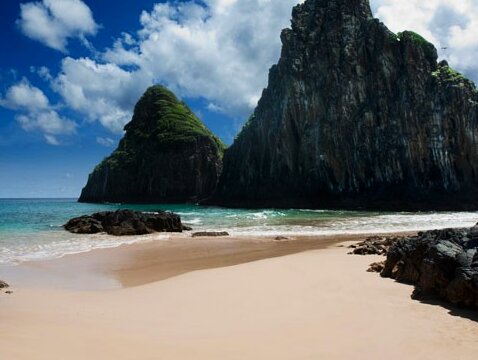
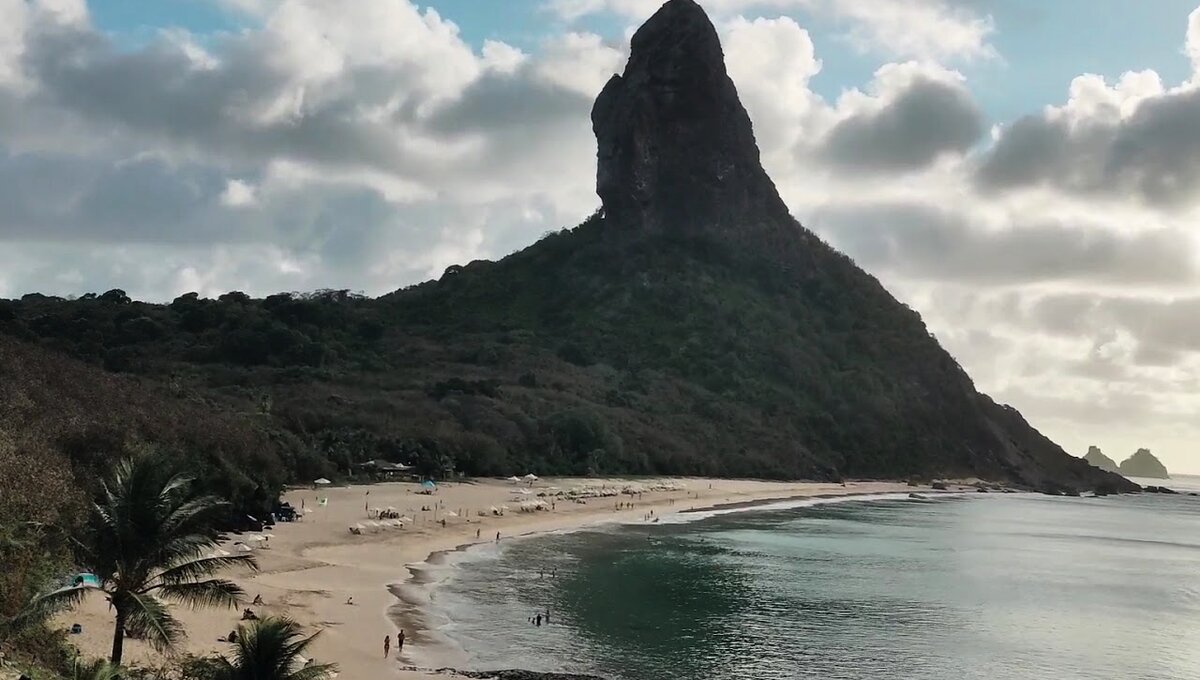
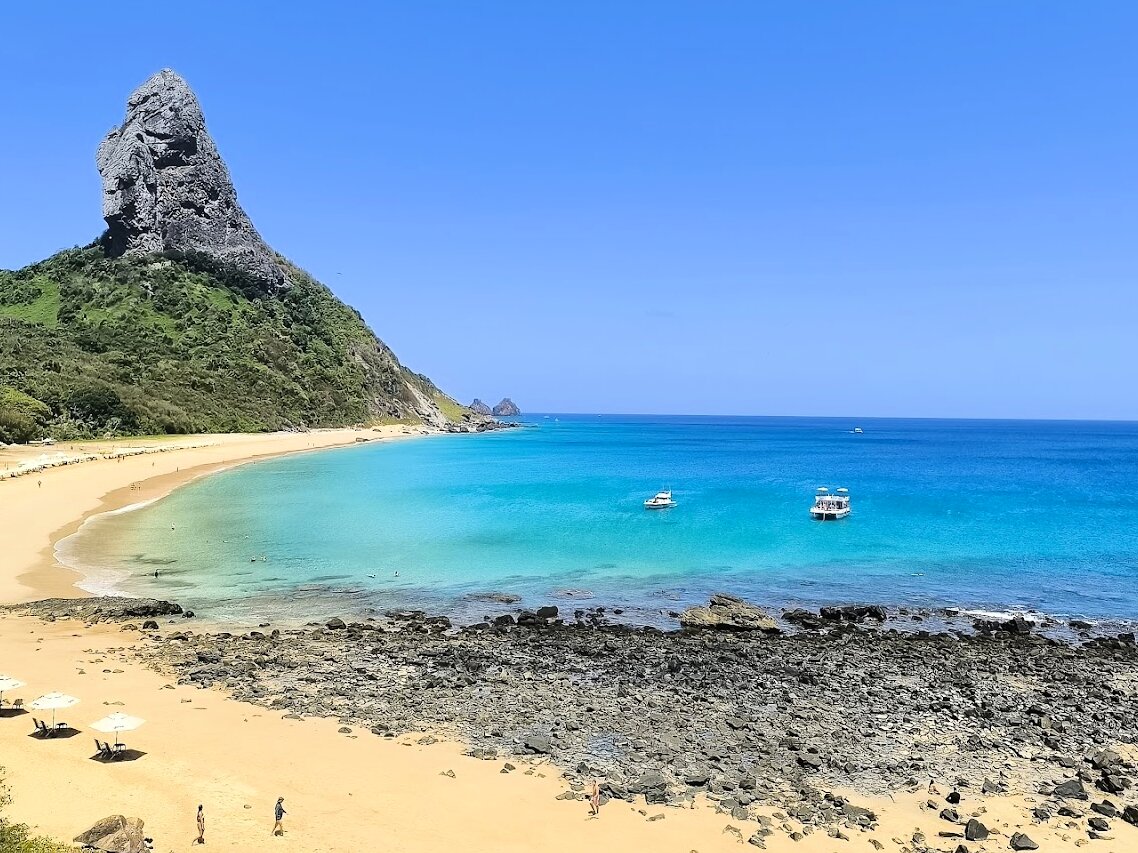
Discover Brazil's most exclusive tropical paradise: Fernando de Noronha, a volcanic archipelago of incomparable beauty where golden sand beaches meet crystal-clear waters teeming with marine life. A UNESCO World Natural Heritage Site.

✓ What guidebooks don't tell you
✓ Secrets other tourists miss
✓ Listen while you explore
Discover everything
00:00
00:00

📖 Audio Guide Chapters

5 chapters

1. The Volcanic Paradise of the Atlantic

🔒 Premium Content

Subscribe to access all chapters of this audio guide.

2. Dream Beaches and Crystal-Clear Waters

🔒 Premium Content

Subscribe to access all chapters of this audio guide.

3. Marine Life Sanctuary

🔒 Premium Content

Subscribe to access all chapters of this audio guide.

4. Volcanic Formations and Unique Landscapes

🔒 Premium Content

Subscribe to access all chapters of this audio guide.

5. Sustainability and Conservation

🔒 Premium Content

Subscribe to access all chapters of this audio guide.

❓ Frequently Asked Questions

How do I get to the Fernando de Noronha EPA and what are its hours?

Access is via daily flights to Noronha Airport (FEN) from Recife or Natal; the urban area and the EPA beaches (such as Cachorro and Conceição) are open to the public 24 hours a day. However, to enter the island you must process your permit and present proof of payment of the environmental fee upon landing.

How much does it cost to enter or what fees am I required to pay?

To enter the island you must pay the Environmental Preservation Fee (TPA), the cost of which depends on the length of your stay and is around 97 R$ per day. You can — and I recommend — pay it in advance on the official Government website to avoid long queues at the airport.

How much time is recommended to visit Fernando de Noronha?

To truly enjoy the 'Emerald of the Atlantic', hike its trails and dive without rushing, 5 to 7 full days are recommended. Less time will leave you feeling like you missed the magic of the sunsets and the marine life.

What historical or ecological significance does this place have?

Noronha is a UNESCO World Heritage Site and was a former prison and strategic military base before becoming an ecological sanctuary. It is vital for the breeding of seabirds and turtles, and is home to a large resident population of spinner dolphins.

What is the best time of year to plan my trip?

If you're looking for the famous 'swimming pool' sea for diving with perfect visibility, travel from August to November. If you're into surfing and looking for big waves, the 'swell' season runs from December to March, although there may be a bit more rain.

Is it an accessible destination for people with reduced mobility?

The volcanic terrain and dirt roads make accessibility a challenge across much of the island. However, in the EPA area (urban center) you can get around by buggy and some beaches are adapting walkways, although it's recommended to check specific conditions before going.

What other must-see attractions are near the EPA?

You can't leave without crossing into the Marine National Park (requires a separate entrance fee) to see Baía do Sancho, frequently voted the best beach in the world. Also visit Forte dos Remédios at sunset for an unbeatable panoramic view.

What practical advice would you give to avoid problems on the island?

Bring cash in reais, as the internet signal often fails and card machines may not work, and ATMs are scarce. Also bring your own basic snorkeling gear and high-factor sunscreen to save on the high local prices.

¿Prefieres escuchar en español?

🇪🇸 Escucha la audioguía de Fernando de Noronha - Environmental Protection Area en español