No te vayas sin conocer la historia Suscribete
IAudioGuia iaudioguia
Audio Guides of Bonito

Audio Guide of Río da Prata

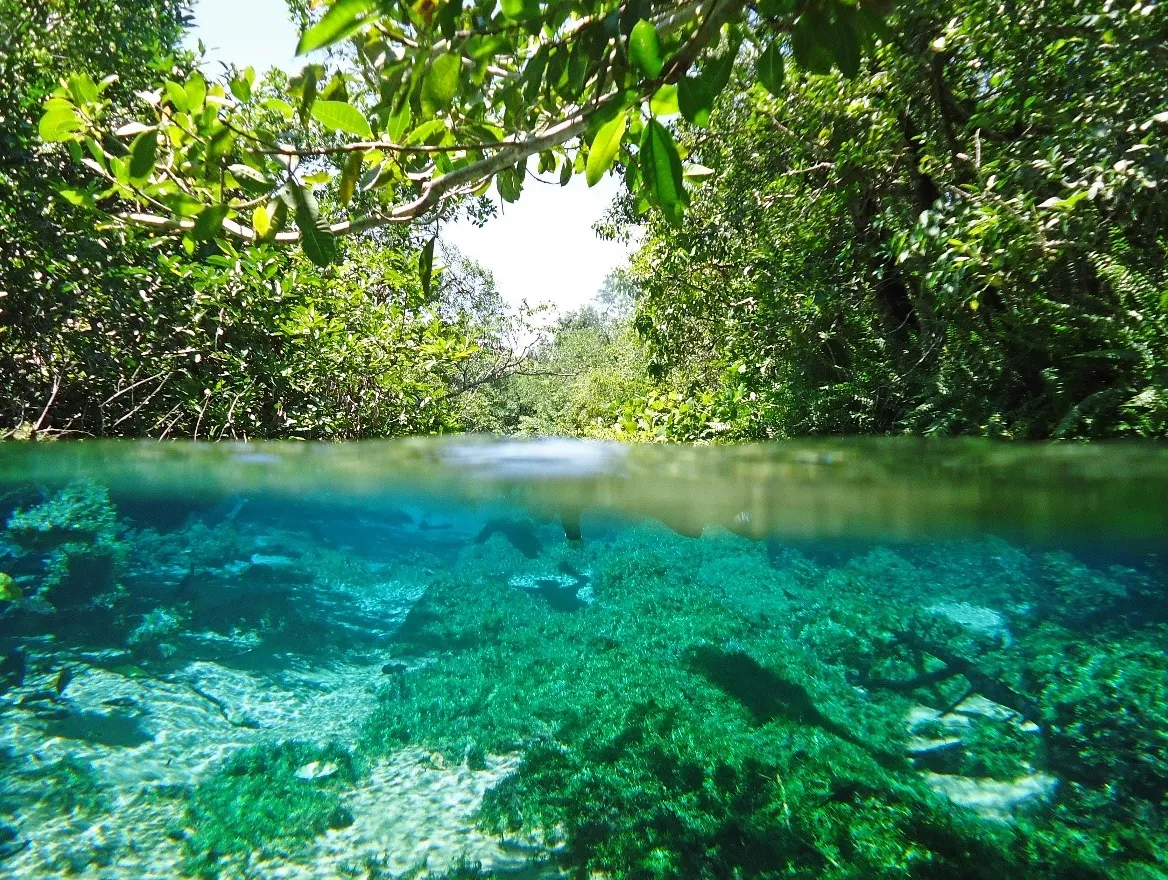
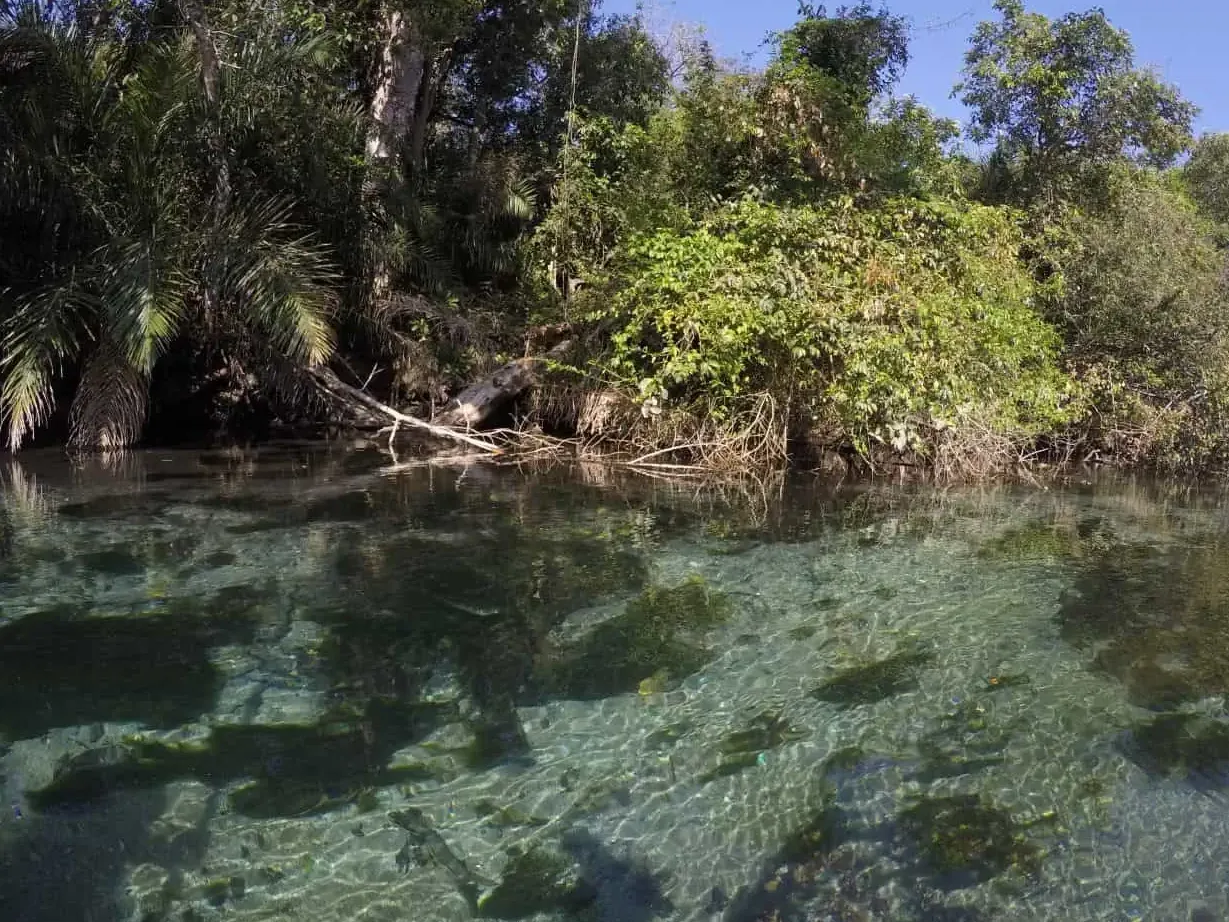
Un río cristalino en Bonito, Brasil, famoso por sus aguas turquesas, cuevas inundadas y vida acuática vibrante, ideal para explorar flotando o buceando.

✓ What guidebooks don't tell you
✓ Secrets other tourists miss
✓ Listen while you explore
Discover everything
00:00
00:00

📖 Audio Guide Chapters

6 chapters

1. Introduction and History

🔒 Premium Content

Subscribe to access all chapters of this audio guide.

2. Architecture and Design

🔒 Premium Content

Subscribe to access all chapters of this audio guide.

3. Art and Decoration

🔒 Premium Content

Subscribe to access all chapters of this audio guide.

4. Historical Figures

🔒 Premium Content

Subscribe to access all chapters of this audio guide.

5. Curiosities and Legends

🔒 Premium Content

Subscribe to access all chapters of this audio guide.

6. Cultural Importance and Legacy

🔒 Premium Content

Subscribe to access all chapters of this audio guide.

❓ Frequently Asked Questions

What are the opening hours of Río da Prata and how can I get there?

Río da Prata in Bonito is open daily from 8:00 AM to 5:00 PM, with guided tours starting early to avoid crowds. To get there, take a transfer from Bonito (about 45 km), and it is recommended to book in advance through the official website; you can contact +55 67 3255-1172 for details. Visit the official website for maps and reservations.

How much is admission to Río da Prata, and is it included in any package?

The entrance fee is approximately R$280 per person for the floating and snorkeling experience, which includes equipment and a guide; children pay less (around R$200). It is not free, but it is often combined with Bonito tour packages that offer discounts. Check updated prices at Bonito Tourism.

How much time is needed to visit Río da Prata?

It is recommended to allow at least 3 to 4 hours for the full visit, including the guided river tour and the trail in the reserve. If you go snorkeling, it could extend to 5 hours, so plan your itinerary well to avoid rushing. It is a relaxed experience, perfect for a half morning.

What is the history or cultural importance of Río da Prata?

Río da Prata is part of the Private Natural Heritage Reserve in Bonito, notable for its crystal-clear water that reveals rich aquatic biodiversity, important for the conservation of the Pantanal. Culturally, it is an emblematic ecotourism site in Brazil, promoting the preservation of local flora and fauna since its protection in the 1990s. Its unique transparency makes it an ecological treasure of the Central-West region.

What is the best time of year or day to visit Río da Prata?

The best period is the dry season from May to September, when the water is clearer and there is less rain, ideal for snorkeling. Go early in the morning (around 8:00 AM) for better visibility and less heat, avoiding the hotter afternoons. Check the forecast on the official website to plan ahead.

Is Río da Prata accessible for people with reduced mobility?

The main access includes uneven trails and the river requires floating, so it is not fully wheelchair accessible, but there are adapted areas near the entrance for observation. It is recommended to contact the administration (+55 67 3255-1172) for personalized options or assistance. For more information, visit the accessibility section on their website.

What other attractions are near Río da Prata?

Nearby, about 20 to 30 km away, you can visit Blue Lake Cave for caves and turquoise waters, or Projeto Jiboia for snake rescue. In central Bonito, explore Acqua Park or the Formoso River for more water adventures. Combine visits for a full day in the region.

What are some practical tips for making the most of Río da Prata?

Bring insect repellent, sunscreen, and swimwear; snorkeling is included, but wear water shoes for the rocky bottom. Book in advance during high season and go with a guide to learn about the wildlife. Stay well hydrated, as the climate is warm, and respect the ecological rules to help preserve this natural paradise.

¿Prefieres escuchar en español?

🇪🇸 Escucha la audioguía de Río da Prata en español