
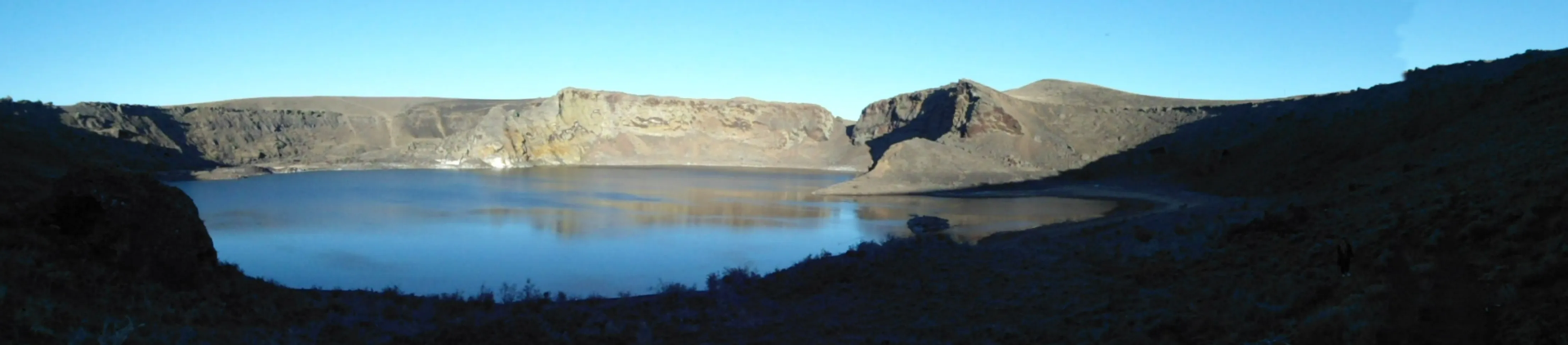
Discover Blue Lagoon in Río Gallegos. A unique experience to learn about its history and significance.
Blue Lagoon has no fixed visiting hours, as it is a natural open-air site. However, access may vary depending on weather conditions. It is recommended to go in a 4x4 vehicle or arrange your visit with local tour operators in Río Gallegos. As it is a protected natural area, it is important to check road conditions before going. For more information about access, you can contact the Río Gallegos Tourism Office at +54 (2966) 420550 or visit their website.
Visiting Blue Lagoon is completely free, as it is a natural area open to the public. There is no charge for access or for staying in the surrounding area. However, if you choose to go with an organized tour, transportation and guide services will have a cost.
To fully enjoy Blue Lagoon, it is recommended to spend at least half a day, around 3 to 4 hours. This will allow you to explore the surroundings, observe the flora and fauna, take photographs, and simply relax with the impressive view of the inactive volcano. Also consider the travel time from Río Gallegos, which can be about an hour and a half each way.
Blue Lagoon, besides being a natural spectacle because of its intense color and volcanic origin, has important geological and landscape significance. It is an inactive volcanic crater that filled with water, giving it its distinctive hue. Although it does not have a widely documented history of specific human events, its beauty and origin are of great scientific and tourist value.
Unfortunately, the terrain around Blue Lagoon is not specially adapted for people with reduced mobility. As it is a natural environment, the paths may be uneven and there are no ramps or specific infrastructure. Caution is recommended and, if you need assistance, it is best to contact the Río Gallegos Tourism Office in advance to assess the access possibilities.
Around Río Gallegos and nearby, you can visit the Río Gallegos Waterfront, ideal for birdwatching. Also, the Pioneers Museum or the Cabo Vírgenes Wildlife Reserve, known for its Magellanic penguin colony, although the latter is farther away.
To make the most of your visit, I recommend bringing warm and waterproof clothing, even in summer, as the Patagonian weather is unpredictable and windy. Do not forget water, sunscreen, sunglasses, and good walking shoes. Bring a camera to capture the beauty of the place and, please, always remember to take your waste with you to help preserve this beautiful natural environment.
¿Prefieres escuchar en español?
🇪🇸 Escucha la audioguía de Blue Lagoon en español