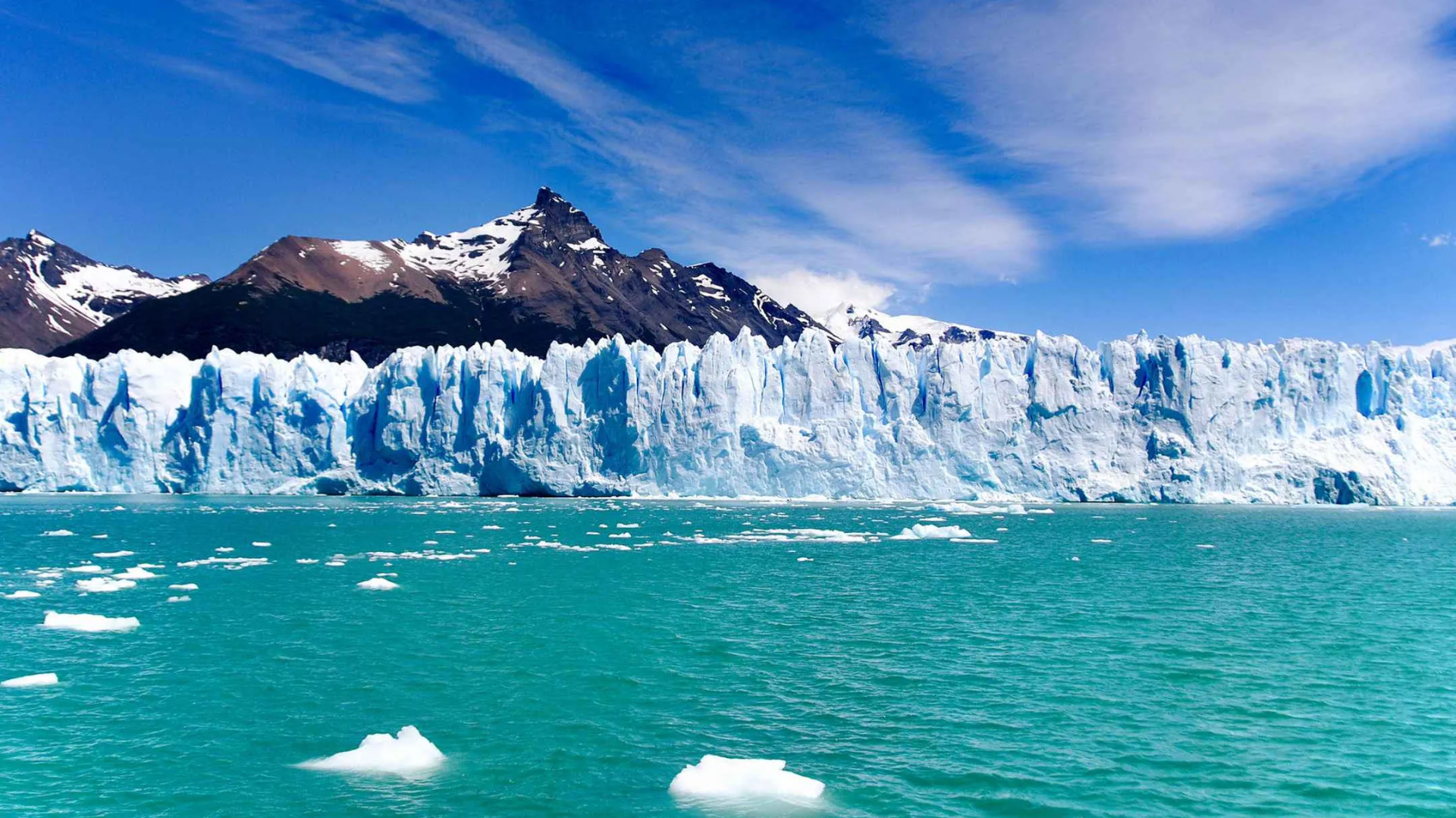
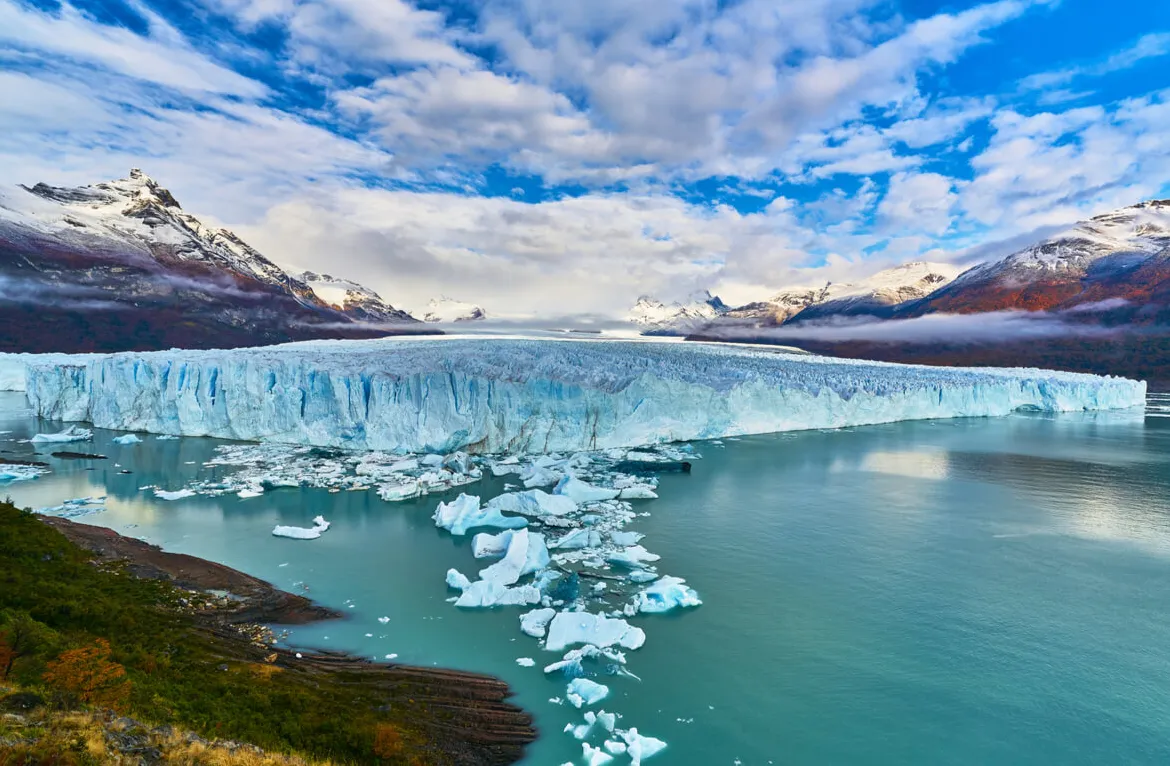
Argentine Lake, the largest and southernmost lake in Argentina, is an emerald expanse of water that protects a vast natural and cultural heritage.
As a natural feature, Argentine Lake does not have opening and closing hours. You can approach its shores at any time. However, if your plan is to visit Los Glaciares National Park to see its glaciers, such as Perito Moreno Glacier, which flows into the lake, there are set visiting hours. It is generally open from early morning until dusk. To get there, the most common option is to join organized excursions from El Calafate or go by private vehicle. You can find more details on the National Parks website.
Seeing Argentine Lake itself is free, since you can access its shores from El Calafate at no cost. What does have a fee are the specific activities carried out on the lake or admission to Los Glaciares National Park if you plan to visit the glaciers. For example, boat excursions on the lake and entry to the national park have set prices. We recommend checking the current rates for Los Glaciares National Park on the official National Parks website.
It depends on what you want to do. If you only want to admire the lake from the shore in El Calafate, one or two hours is enough. If you plan a boat excursion to see the glaciers, these usually last between 3 and 8 hours, including transfers. For a fuller experience that includes Los Glaciares National Park and its main attractions, you could set aside a full day.
Argentine Lake is the third-largest lake in South America and the largest in Argentina, with an area of more than 1,400 km². Its fame and significance come from the fact that it is fed by several monumental glaciers, the most famous being Perito Moreno Glacier, one of the few glaciers in the world that is still advancing. In addition, its scenic beauty, with intensely turquoise waters caused by glacial rock flour, makes it an icon of Patagonia. You can learn more about its geology on Wikipedia.
The best time to visit Argentine Lake and its glaciers is during the austral spring and summer months, from October to April. The weather is milder, the days are longer, and excursions run more regularly. As for the best time of day, early mornings or the last hours of the afternoon offer spectacular light for photography and fewer crowds, especially if you visit the national park.
Accessibility around the town of El Calafate is relatively good, with paved sidewalks near the lakeside promenade. However, boat excursions can vary in their level of accessibility, and the terrain in some parts of Los Glaciares National Park may be uneven. It is advisable to contact excursion companies or the park administration in advance to confirm the availability of ramps or assistance. The main viewing platform at Perito Moreno Glacier has accessible walkways.
Without a doubt, the star attraction is Perito Moreno Glacier, which is an absolute must-see. You can also explore other glaciers such as Upsala and Spegazzini on boat excursions. In El Calafate, do not miss the El Calafate Historical Interpretation Center, Glaciarium (Patagonian Ice Museum), and the Laguna Nimez Reserve, ideal for birdwatching. The town itself also offers a wide range of dining and accommodation options.
Of course. First, book your Perito Moreno Glacier excursions and boat trips in advance, especially in high season. Wear several layers of clothing, including a windbreaker and a waterproof jacket, since the weather can change quickly. Do not forget sunscreen, sunglasses, and a hat, even on cloudy days. If you plan to walk, comfortable footwear is essential. And if you are interested in birds, bring binoculars for the Laguna Nimez Reserve.
¿Prefieres escuchar en español?
🇪🇸 Escucha la audioguía de Argentine Lake en español