No te vayas sin conocer la historia Suscribete
IAudioGuia iaudioguia
Audio Guides of Cafayate

Audio Guide of Quebrada de las Conchas

Discover the history and secrets of this place with our audio guide.

✓ What guidebooks don't tell you
✓ Secrets other tourists miss
✓ Listen while you explore
Discover everything
00:00
00:00

📖 Audio Guide Chapters

8 chapters

1. Introduction

🔒 Premium Content

Subscribe to access all chapters of this audio guide.

2. Devil's Throat

🔒 Premium Content

Subscribe to access all chapters of this audio guide.

3. The Amphitheater

🔒 Premium Content

Subscribe to access all chapters of this audio guide.

4. The Castles

🔒 Premium Content

Subscribe to access all chapters of this audio guide.

5. The Windows

🔒 Premium Content

Subscribe to access all chapters of this audio guide.

6. The Toad

🔒 Premium Content

Subscribe to access all chapters of this audio guide.

7. The Friar

🔒 Premium Content

Subscribe to access all chapters of this audio guide.

8. Closing

🔒 Premium Content

Subscribe to access all chapters of this audio guide.

❓ Frequently Asked Questions

What time does Quebrada de las Conchas open, and how can I get there?

Quebrada de las Conchas, part of the stunning Quebrada de las Conchas Natural Reserve, does not have strict opening or closing hours, as it is a natural area with free access. It is located about 50 km south of Cafayate along National Route 68. The most common way to visit is by private vehicle, rental car, or through one of the many organized tours departing from Salta or Cafayate.

Do I have to pay an entrance fee to access Quebrada de las Conchas, or is it free?

Good news! Access to Quebrada de las Conchas is completely free, as it is an open natural area. There are no entrance fees or ticket booths to explore its stunning landscapes and rock formations. This allows you to fully enjoy its beauty without worrying about your budget.

How much time is recommended for visiting Quebrada de las Conchas to appreciate it properly?

For a complete visit, with time to stop at the main highlights such as the Amphitheater, Devil's Throat, and the Windows, it is recommended to allow between 3 and 4 hours. If you only plan to make quick photo stops at the main viewpoints, you could do it in 1 to 2 hours. Keep in mind that it is a linear route with many points of interest along the road.

What is the historical or geological importance of Quebrada de las Conchas? Why is it so special?

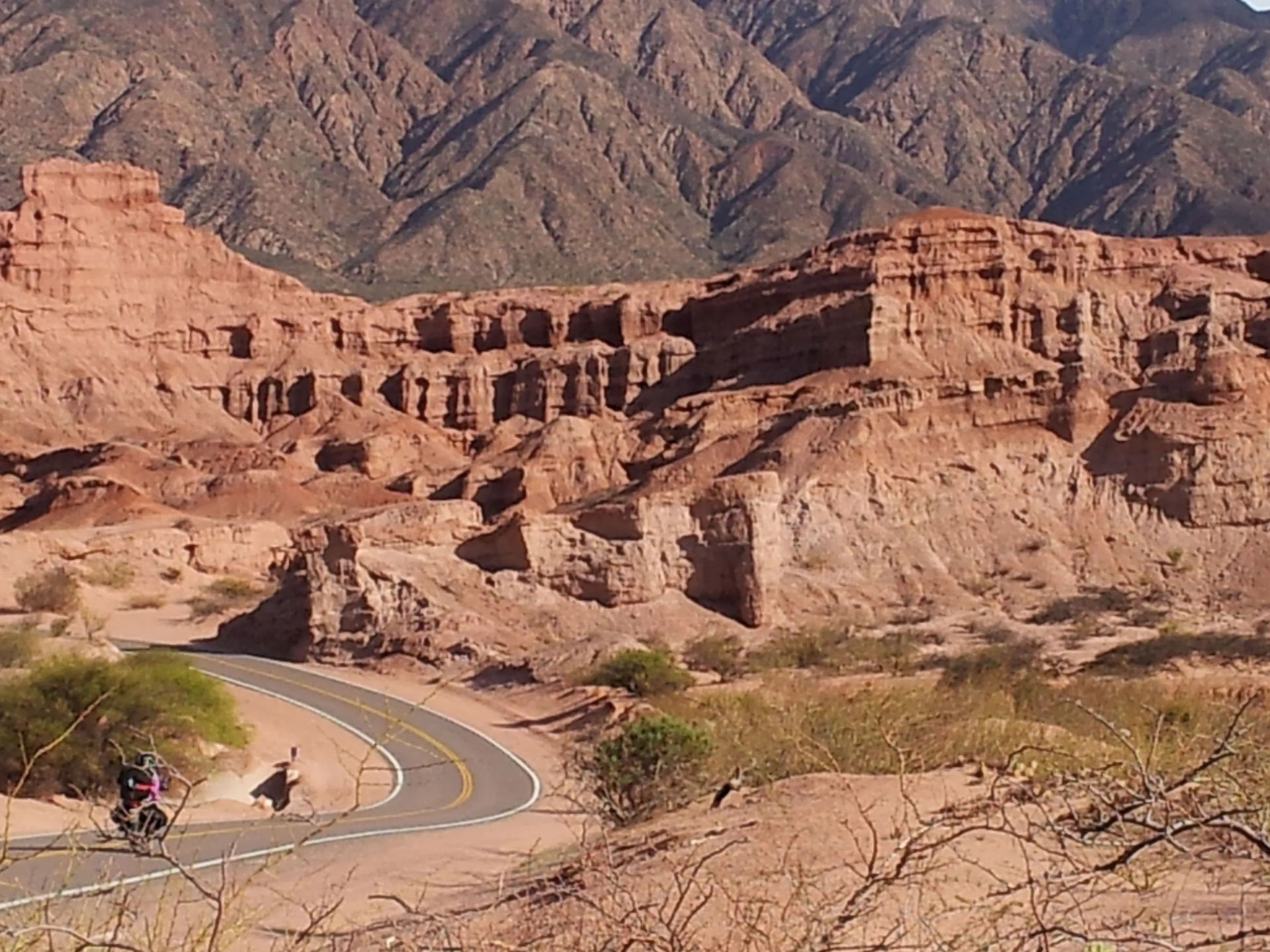
Quebrada de las Conchas is of enormous geological importance, as its rock formations reveal millions of years of Earth's history. The various sediment layers and vibrant colors are the result of erosion processes and tectonic movements dating back to the Cenozoic Era. In addition, marine fossil remains have been found, indicating that millions of years ago this area was covered by an inland sea. It is like reading a giant open-air geology book.

What is the best time of year to visit Quebrada de las Conchas, and what is the best time of day?

The best time to visit is during spring (September to November) and autumn (March to May), when temperatures are more pleasant and there is less rain. As for the best time of day, I recommend early morning or late afternoon, near sunset. The low-angle light at those times brings out the reddish colors and rock textures even more, creating an unforgettable visual display for your photographs.

Is Quebrada de las Conchas accessible for people with reduced mobility or wheelchair users?

National Route 68, which crosses the ravine, is paved and accessible for vehicles. However, many of the rock formations and interpretive trails, such as the Amphitheater or Devil's Throat, involve walking on uneven ground, stairs, or small slopes. This can be challenging for people with severe mobility limitations or wheelchair users. Most roadside viewpoints are accessible for enjoying the landscape from the vehicle.

Besides Quebrada de las Conchas, what other attractions or places of interest can I visit near Cafayate?

Cafayate is a feast for the senses! After the ravine, you should not miss the Cafayate wineries, famous for their Torrontés, where you can take tours and enjoy tastings. You can also visit the Museum of Vine and Wine, explore the Río Colorado waterfall (which requires a hike), or simply enjoy the main square and local handicrafts.

Do you have any practical tips to make the most of my visit to Quebrada de las Conchas?

Of course! First, always bring water, especially in summer. Use sunscreen, a hat or cap, and comfortable clothing. Make sure your camera or phone battery is charged, because the photo opportunities are endless. Do not leave any trash behind, and respect the local flora and fauna. Most importantly, disconnect and let yourself be amazed by the majesty of this landscape. If you are traveling by vehicle, make frequent stops at the marked viewpoints.

¿Prefieres escuchar en español?

🇪🇸 Escucha la audioguía de Quebrada de las Conchas en español