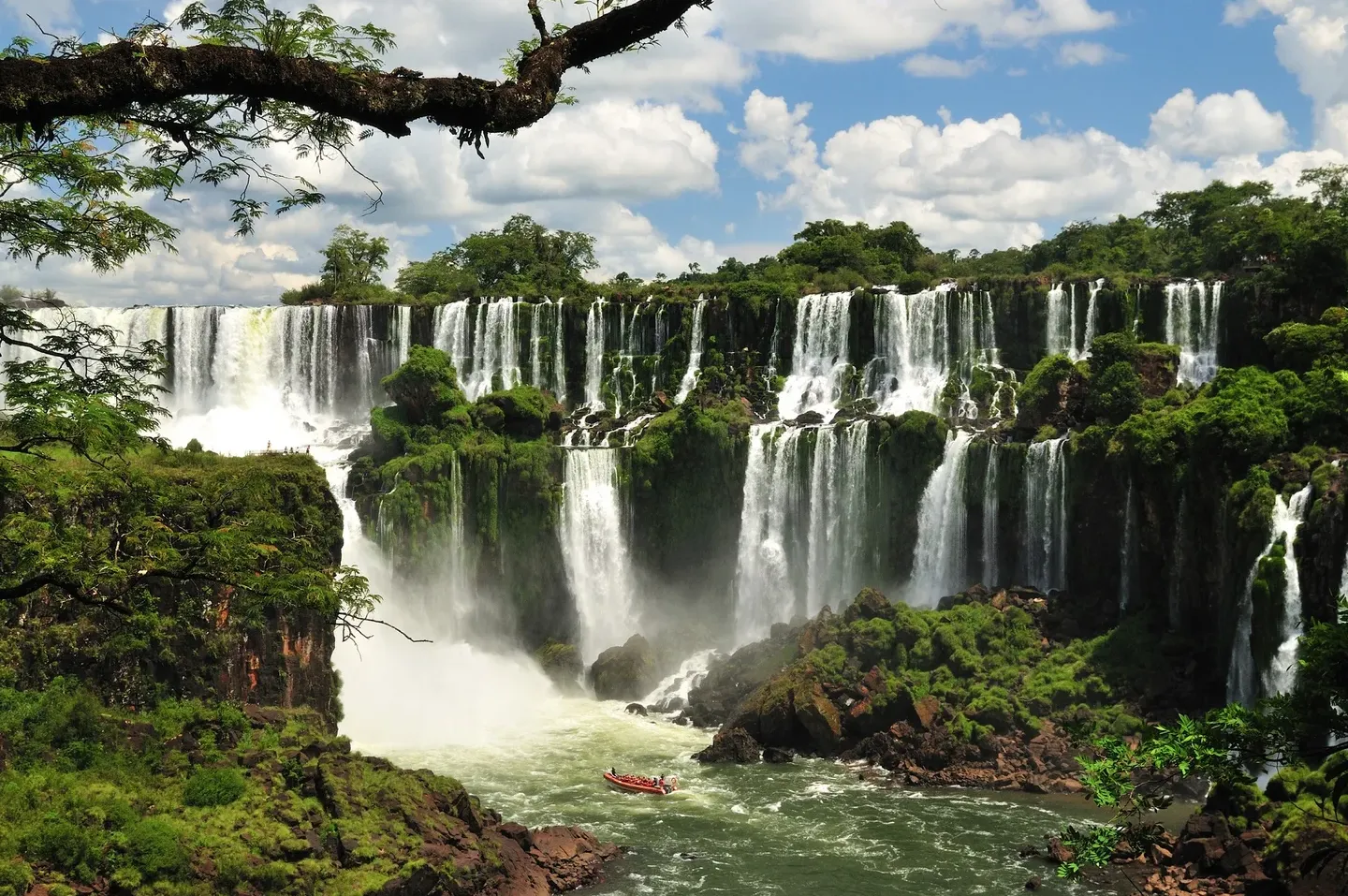
Donde 275 saltos de agua te susurran secretos de princesas olvidadas, exploradores tramposos y escándalos mojados
Iguazu National Park, where the falls are located, opens daily at 08:00 AM and closes at 06:00 PM (last entry at 04:30 PM). You can get there by public transport from Puerto Iguazú (bus) or by taxi/private car service. I recommend checking bus schedules at the terminal to plan your trip. For more details, visit the official page: Iguazú Argentina - Plan Your Visit
Ticket prices vary by nationality. As of my latest update, for non-residents of Argentina, the cost is about ARS 20,000 (approximate; please verify on the official website). You can buy tickets online in advance through the official Iguazu National Park website, which is highly recommended to avoid lines, or directly at the park ticket offices. Check updated prices and buy your tickets here: Iguazú Argentina - Prices
To explore the main circuits (Upper, Lower, and Devil's Throat) and enjoy them at a relaxed pace, I recommend setting aside a full day, about 6 to 8 hours. If you want to do additional activities or revisit certain viewpoints, you might consider two days. The experience will be unforgettable, so take your time. The train will take you to several points within the park.
Iguazu Falls hold deep cultural significance for the Indigenous Guaraní peoples, who consider them a sacred place. The name 'Iguazu' comes from Guaraní and means 'big water.' The best-known legend tells of a god who, in love with a beautiful woman, punished her by turning her and her lover into the falls and the island, respectively. The falls were introduced to the Western world in 1542 by the Spanish explorer Álvar Núñez Cabeza de Vaca.
The best time to visit is during spring (September to November) or autumn (March to May), when temperatures are more pleasant and the water flow is ideal. To avoid crowds, try to arrive early in the morning at opening time or after 02:00 PM. Weekdays are also usually less crowded than weekends. The views are spectacular at any time, but morning light is often perfect for photos.
Yes, Iguazu National Park has made a strong effort to be accessible. There are boardwalks and trails adapted for wheelchairs, especially on the Upper Circuit and part of the Lower Circuit, as well as ramps at the visitor center. The Ecological Jungle Train is also accessible. It is advisable to check with the park administration if you have very specific needs to ensure the best experience. More information on accessibility: Iguazú Argentina - Accessibility
In addition to the Argentine side, you can cross to Foz do Iguaçu in Brazil to see the falls from another perspective (migration procedures required). Near Puerto Iguazú, Argentina, you can visit the Three Borders Landmark (where Argentina, Brazil, and Paraguay meet), the Hummingbird Garden, La Aripuca (a cultural attraction), or the Güirá Oga Wildlife Refuge. There are also options for jungle excursions and boat rides on the river.
Absolutely! Wear comfortable, non-slip shoes, bring sunscreen, insect repellent, a hat or cap, and light clothing that can get wet, especially if you plan to do the Great Adventure excursion. Don't forget a waterproof bag for your camera and phone. Stay hydrated constantly. And most importantly: enjoy the majesty of nature! Consider buying your tickets in advance to save time.
¿Prefieres escuchar en español?
🇪🇸 Escucha la audioguía de Iguazu Falls en español