No te vayas sin conocer la historia Suscribete
IAudioGuia iaudioguia
Audio Guides of Tilcara

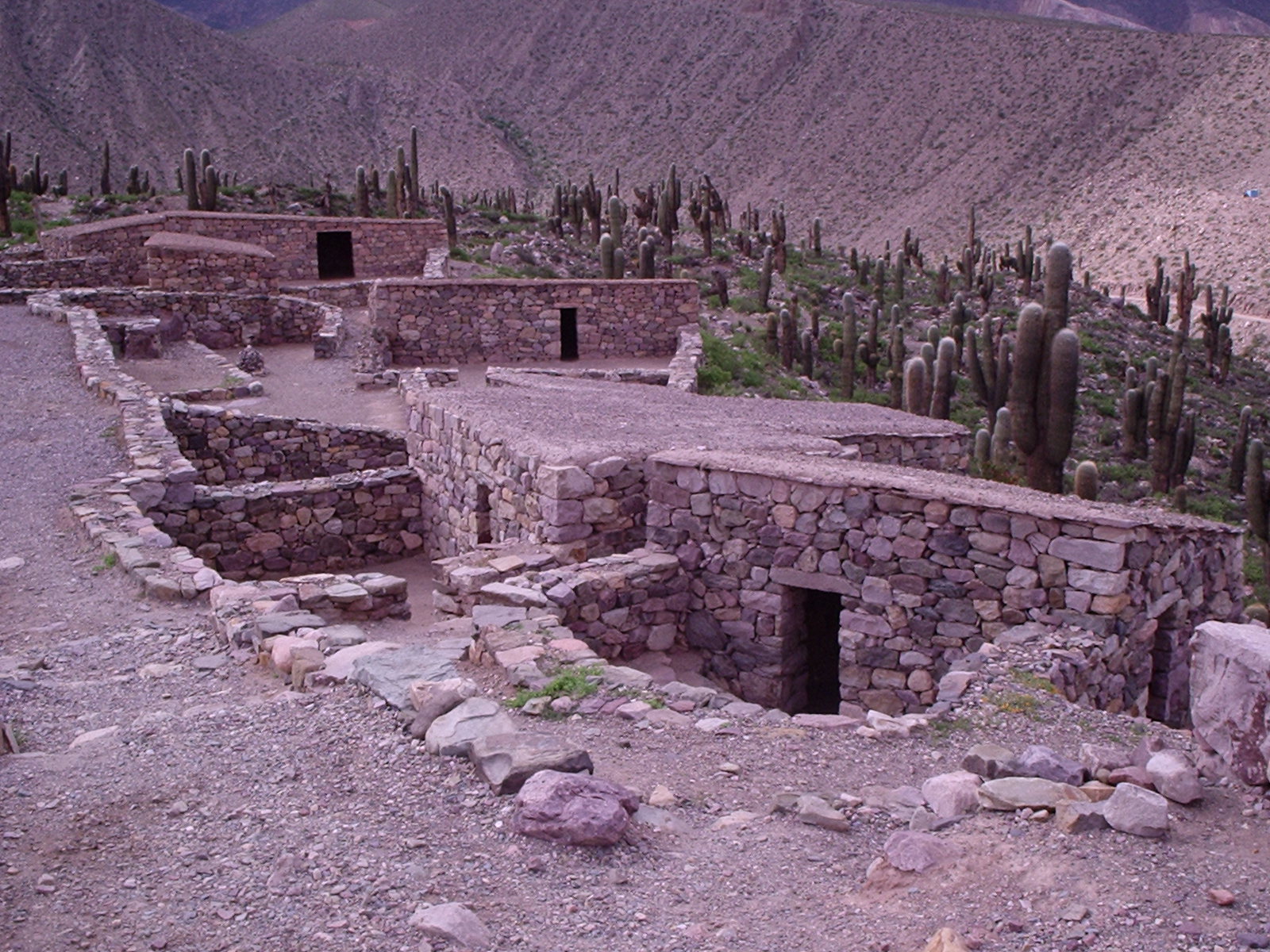
Audio Guide of Pucará de Tilcara

Immerse yourself in the fascinating history and culture of one of the most iconic archaeological sites in Northwestern Argentina, Pucará de Tilcara.

✓ What guidebooks don't tell you
✓ Secrets other tourists miss
✓ Listen while you explore
Discover everything
00:00
00:00

📖 Audio Guide Chapters

5 chapters

1. Introduction: Pucará, a Millennial Watcher

🔒 Premium Content

Subscribe to access all chapters of this audio guide.

2. Ancestral Architecture: Stones That Speak

🔒 Premium Content

Subscribe to access all chapters of this audio guide.

3. Interesting Facts and the 'Restoration'

🔒 Premium Content

Subscribe to access all chapters of this audio guide.

4. The High-Altitude Botanical Garden and the Imposing Gate

🔒 Premium Content

Subscribe to access all chapters of this audio guide.

5. Cultural Importance and Legacy

🔒 Premium Content

Subscribe to access all chapters of this audio guide.

❓ Frequently Asked Questions

What are the opening hours of Pucará de Tilcara, and how can I get there?

Pucará de Tilcara is open Monday through Sunday. Opening hours are generally from 9:00 AM to 6:00 PM, although they may vary. We recommend checking the latest information on the Tilcara tourism office before your visit. It is located just a few minutes on foot from downtown Tilcara and is well signposted.

Is there an admission fee to enter Pucará de Tilcara, or is it free?

Yes, there is an admission fee to enter Pucará de Tilcara. This fee helps support its maintenance and preservation, as it is an archaeological site of great value. Prices can be checked at the site's ticket office or sometimes on the official Tilcara tourism website.

How much time is recommended for the visit to explore it properly?

To explore the Pucará thoroughly and enjoy the views, we suggest setting aside between 1.5 and 2 hours. This will allow you to walk through the different areas, climb up to the monument, and visit the small museum at the entrance without rushing.

What exactly is a 'Pucará,' and why is the one in Tilcara so important?

A Pucará is a pre-Columbian fortress, usually built at strategic points. Pucará de Tilcara is especially important because it is one of the most significant archaeological sites in the Humahuaca Ravine, a World Heritage Site, and it helps us understand how the region's pre-Hispanic societies lived.

What is the best time of year or time of day to visit and enjoy it the most?

The best time of year is during spring and autumn to avoid the summer heat. If you visit in other seasons, I recommend going early in the morning or late in the afternoon. That way, you will avoid the strongest sun and get better light for photos. Avoid the middle of the day for the climb.

Is the Pucará accessible for people with reduced mobility, or are there many stairs?

Pucará de Tilcara has uneven terrain, slopes, and stone paths. Unfortunately, it is not fully accessible for people with reduced mobility or wheelchairs due to its original geography and the archaeological nature of the site.

Besides the Pucará, what other attractions or interesting places are there nearby to visit in Tilcara?

In Tilcara, besides the Pucará, you should not miss the High-Altitude Botanical Garden (located next to the Pucará), the Craft Market, and the main square. I also suggest exploring Pequeñas Ruinas, the Devil's Gorge, and visiting the Archaeological Museum and the Terry Museum for a complete cultural experience. Check the local tourism website for more ideas.

What practical tips would you give me to make the most of my visit to Pucará de Tilcara?

Wear comfortable, sturdy shoes, bring a bottle of water, a cap or hat, and sunscreen, as the sun can be intense. Follow the marked trails, respect the signs, and, if possible, hire a local guide to enrich your experience with their knowledge and stories. Don't forget your camera!

¿Prefieres escuchar en español?

🇪🇸 Escucha la audioguía de Pucará de Tilcara en español