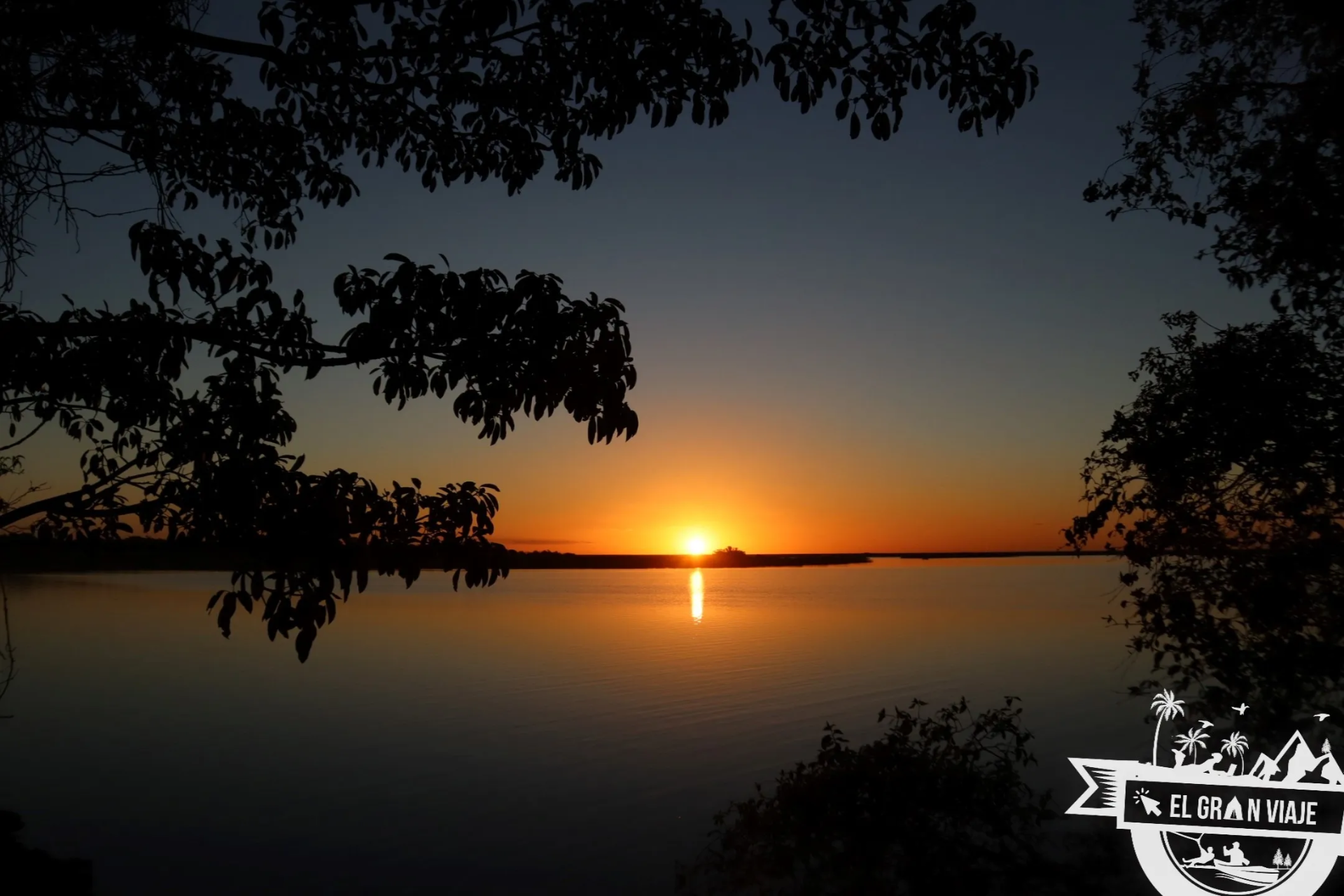
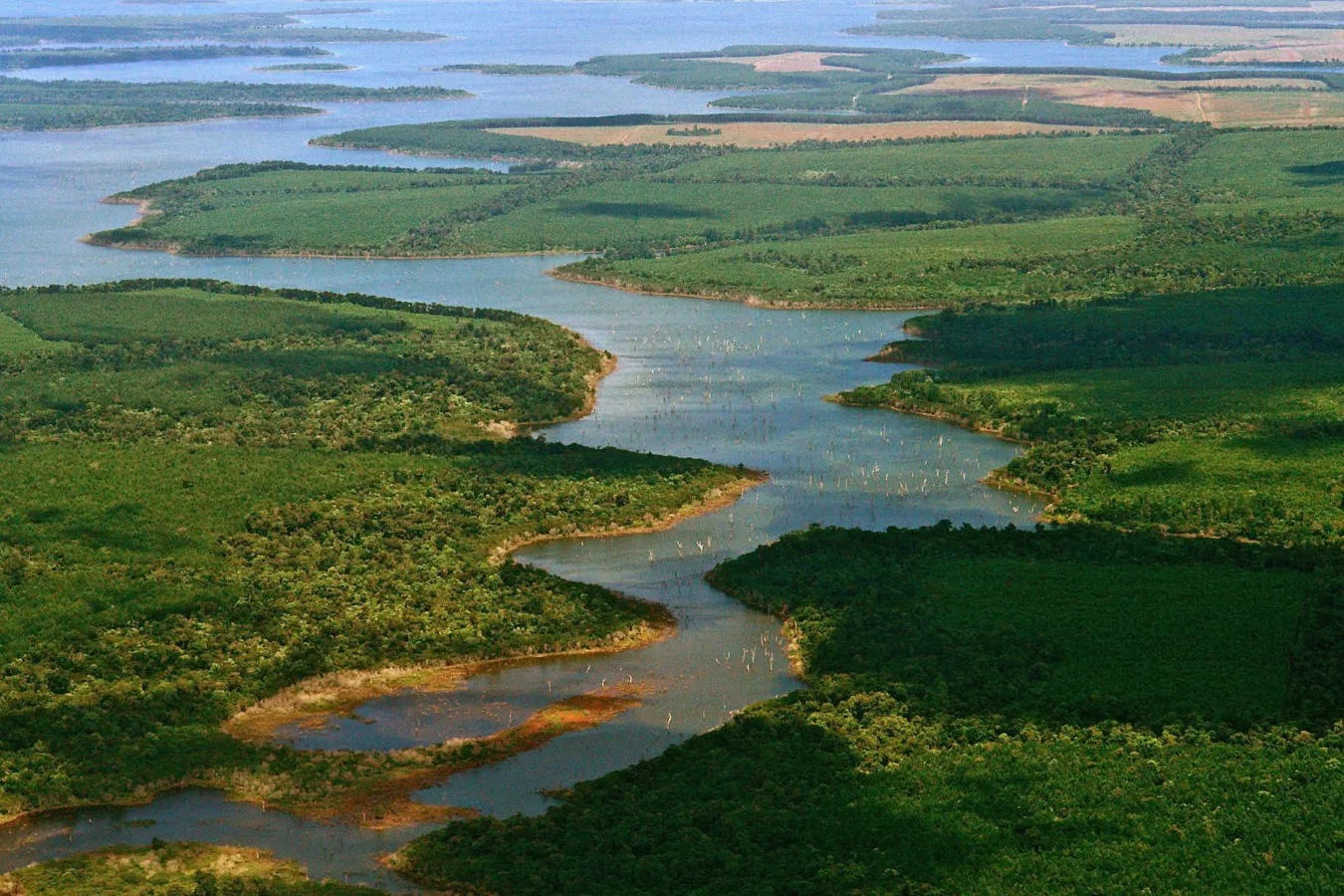
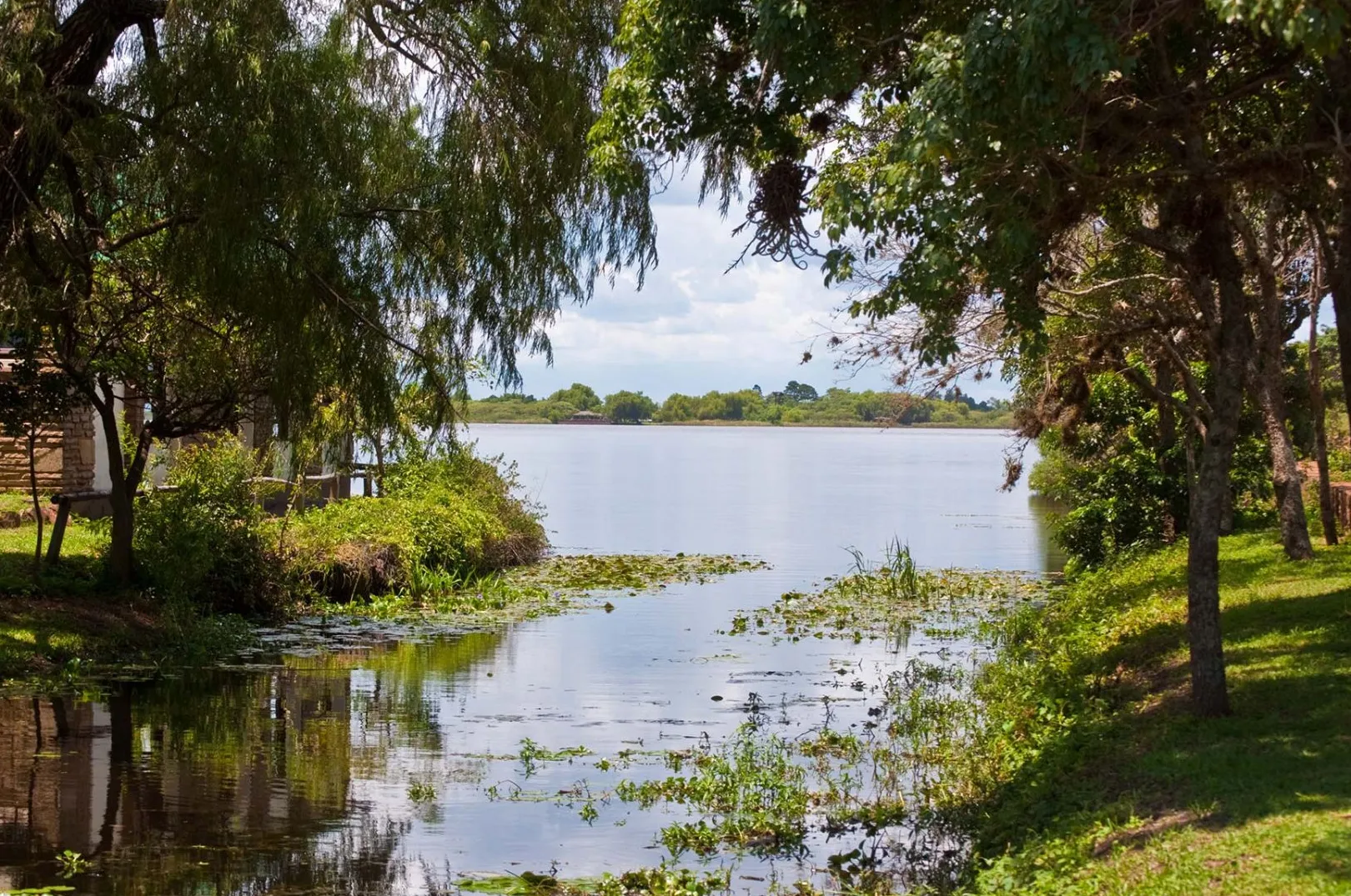
In the wetlands of Corrientes, where the jaguar returned after 70 years to remind us who rules the humid forest.
Iberá National Park does not have opening and closing hours like a museum. As a vast ecosystem, it is accessible 24 hours a day. However, the visitor centers and access points to the gateways (such as Colonia Carlos Pellegrini, Laguna Gateway, or Cambyretá Gateway) do have specific schedules. We recommend contacting the staff at each gateway to plan your access and activities. You can find more information on the official Experiencia Iberá website.
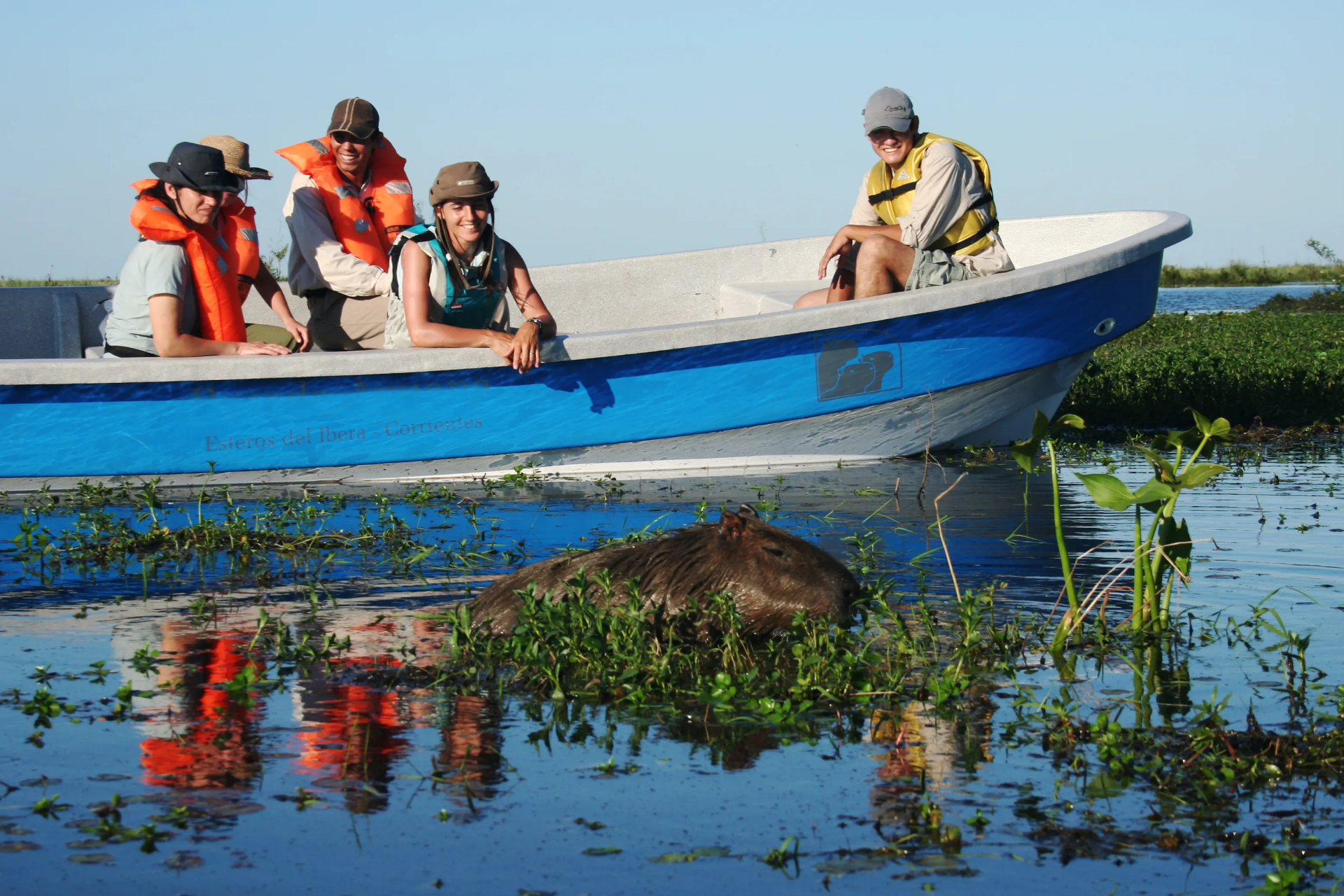
Admission to Iberá National Park is free, so you can enjoy its vastness at no cost. However, guided excursions and activities such as boat rides, horseback riding, or photo safaris offered by local tour operators do have a fee. We suggest checking directly with service providers at each gateway for pricing information.
For a full and unhurried experience, we recommend spending at least 3 to 5 days visiting Iberá. This will allow you to explore different gateways, take part in several activities, and immerse yourself in the richness of its wildlife and plant life. If you have less time, focus on one specific gateway to make the most of your visit. The National Parks Administration can provide more details about the different areas.
Iberá National Park is a monumental conservation project born from the ecological restoration of lands donated by Douglas and Kristine Tompkins. It is a global example of rewilding, where locally extinct species such as the jaguar and the giant anteater were reintroduced, helping restore the original ecosystem. Its importance lies in protecting biodiversity, mitigating climate change, and fostering ecotourism that benefits local communities. You can read more about its history on the Rewilding Argentina website.
The best time to visit Iberá National Park and observe more wildlife is during spring (September to November) and autumn (March to May). In these months, temperatures are milder and animals are more active. Summer can be very hot, and in winter, although it is cool, animal activity may be lower. For a local forecast and specific recommendations, we suggest consulting local guides.
Some gateways in Iberá National Park are working to improve accessibility by offering adapted rustic trails and viewpoints. However, due to the natural characteristics of the terrain (wetlands and uneven ground), not all routes are fully accessible. It is essential to check in advance with the specific gateway you wish to visit or with tour operators to learn about the available options and facilities. The Experiencia Iberá website may have more up-to-date information on this topic.
Near Iberá National Park, you can explore the city of Corrientes with its rich Jesuit history and Guaraní heritage, or visit the picturesque town of Bella Vista, known for its orange groves and the Paraná River. You can also delve into the chamamé traditions of the region. Corrientes Province offers a wide variety of cultural and natural attractions. To see more options, visit the Corrientes Government website.
To have the best experience in Iberá, we recommend bringing insect repellent (essential), a hat, sunscreen, and light, comfortable clothing. Don’t forget your binoculars for observing birds and mammals. Hiring a local guide at each gateway will enrich your visit with their knowledge of the wildlife and flora. And of course, be respectful of nature and follow the rangers’ instructions. For more details, you can visit the National Parks Recommendations page.
¿Prefieres escuchar en español?
🇪🇸 Escucha la audioguía de Iberá National Park en español