Donde romanos y bereberes se peleaban por baños termales mientras escribían historia en piedra
The ruins of Djemila, also known as Cuicul, are usually open from 9:00 AM to 5:00 PM every day, although it is advisable to check the exact hours at the entrance as they may vary. They are located about 50 km northeast of Sétif. The best way to get there is by private taxi or on an organized tour from Sétif, as direct public transport is limited. If you decide to go on your own, make sure to arrange the return trip with the taxi driver.
The admission price for foreign visitors is usually around 400 Algerian dinars (approximately 3–4 euros), while for locals the price is symbolic. There is no official website for buying tickets online, so they are purchased directly at the ticket office at the entrance to the archaeological site. Sometimes unofficial local guides offer their services, but the admission price itself is fixed.
To thoroughly explore the ruins of Djemila and enjoy all their details, it is recommended to allow between 2 and 3 hours. The site is quite extensive and you will do a lot of walking, so plan your schedule so you do not have to rush. If you are a history or photography enthusiast, you may even want to extend your visit a little longer.
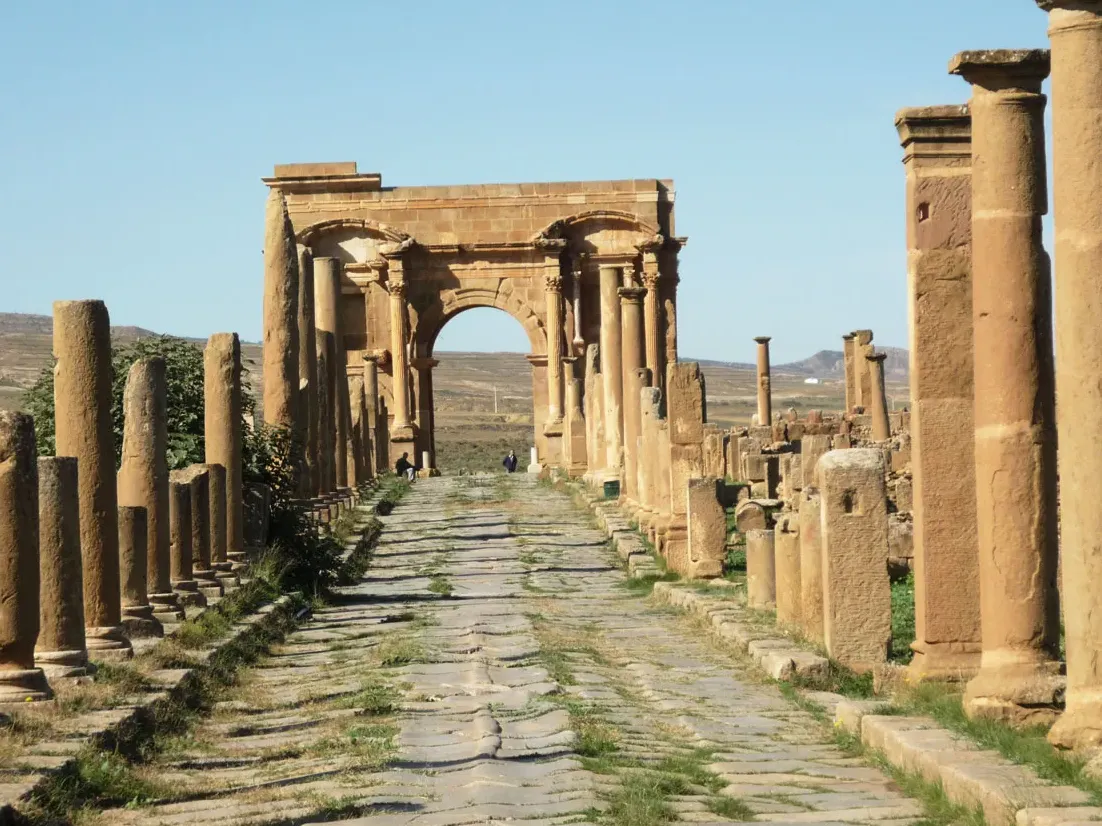
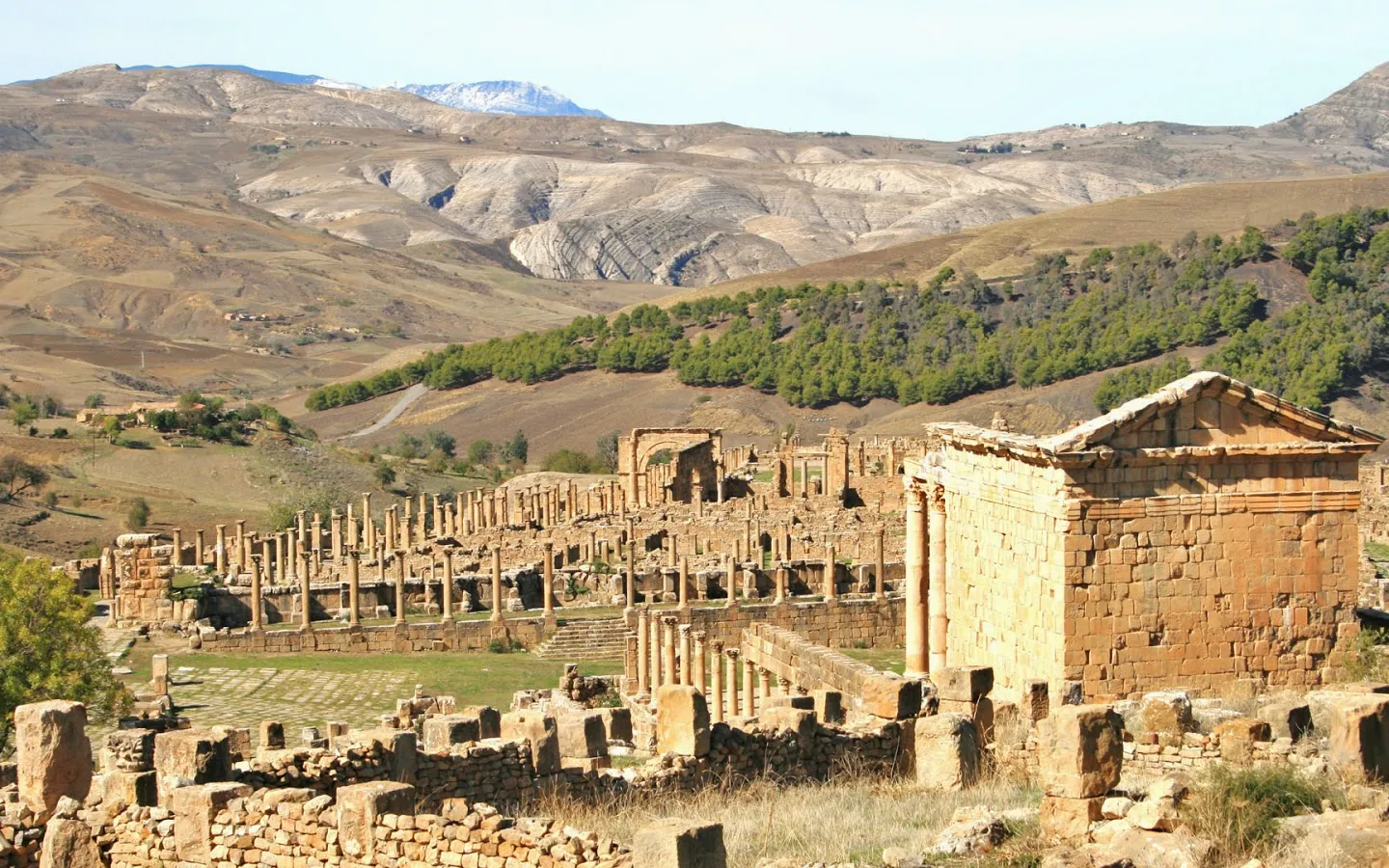
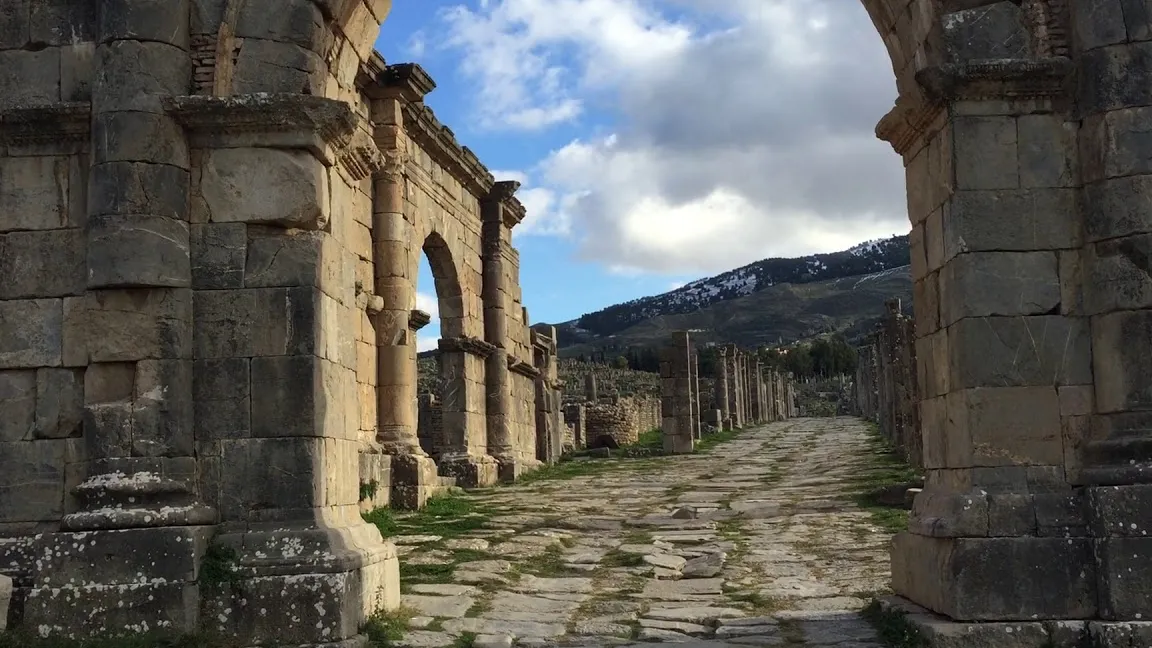
Djemila, ancient Cuicul, is an outstanding example of Roman urban planning adapted to mountainous terrain. Founded as a military colony, it reached its peak in the 2nd and 3rd centuries AD. It is famous for its impressively well-preserved remains, including temples, forums, triumphal arches, basilicas, and magnificent mosaics. Its historical and architectural value earned it UNESCO World Heritage status in 1982.
The best time to visit is during spring (March–May) or autumn (September–November), when temperatures are milder and more pleasant for walking, avoiding the intense heat of the Algerian summer. As for the time of day, it is ideal to go early in the morning, just after opening, to avoid crowds and the strongest sun, or late in the afternoon before closing.
The terrain of the ruins of Djemila is uneven, with dirt paths, stones, and various changes in elevation, which can make access difficult for wheelchair users or people with very limited mobility. Although there are no specific accessibility facilities such as ramps or lifts, some main areas may be partially accessible with assistance. It is recommended to contact the site authorities in Sétif for more detailed information if special assistance is needed.
In addition to the ruins of Djemila, you can visit Sétif, the nearest city, home to the National Museum of Sétif, which houses some of the mosaics and artifacts found in Djemila. You can also explore the Roman site of Cuicul, considered one of the best-preserved in North Africa. If you enjoy nature, the surrounding area offers mountain landscapes ideal for short excursions.
Of course! I recommend wearing comfortable walking shoes, bringing sun protection such as a hat, sunglasses, and sunscreen, and carrying enough water, especially in the warmer months, as there is little shade. Consider hiring an authorized local guide at the entrance for a richer experience; they can share fascinating stories and point out details you might otherwise miss. Bring a camera as well to capture the beauty of the place, and some small change for possible minor expenses or tips.
¿Prefieres escuchar en español?
🇪🇸 Escucha la audioguía de Djemila en español