A natural landmark in Guelma that combines a rich history with impressive biodiversity, standing as a silent witness to past eras.
As a natural formation and open area, the plateau is accessible 24 hours a day throughout the year. However, for your safety and to fully enjoy the panoramic views, we strongly recommend visiting during daylight hours.
Access to the plateau’s natural area and the surroundings of the dam is completely free. Just keep in mind that it is a good idea to carry some cash in case you decide to use supervised parking near the tourist areas or buy food from local stalls.
To enjoy the scenery at a relaxed pace and take photographs, a visit of between 2 and 3 hours is ideal. If you plan to do a hiking route or have a picnic overlooking the reservoir, consider setting aside half a day.
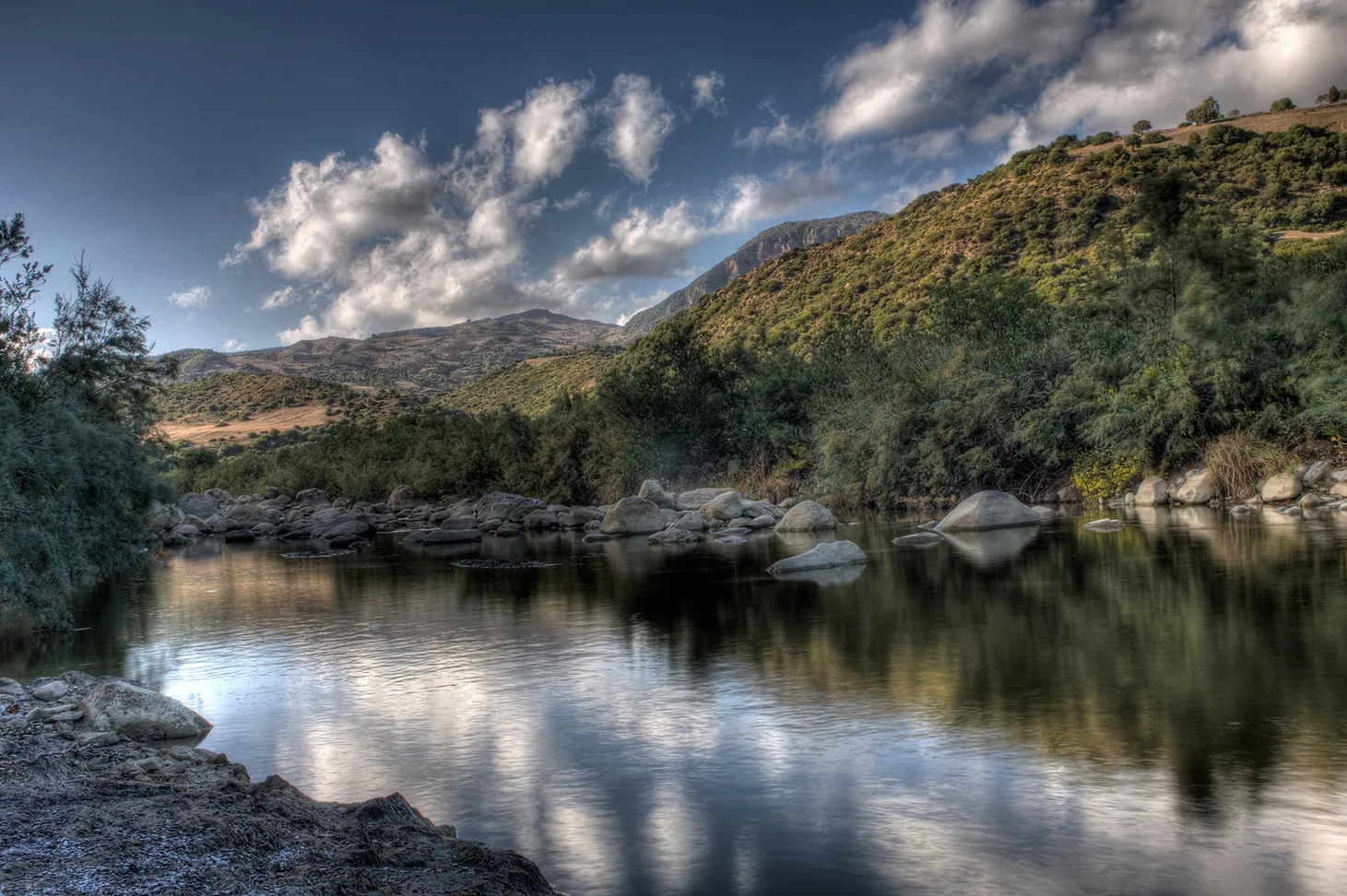
This plateau is important for its biodiversity and for hosting the Bouhamdane Dam, a vital water resource for agriculture and supply in the Guelma region. It is an excellent example of the mountainous geography of the Tell Atlas in Algeria.
Spring, from March to May, is undoubtedly the best time, as the vegetation is green and temperatures are very pleasant. Summer can be very hot, so if you go then, try to visit early in the morning or at sunset.
Due to the mountainous terrain and uneven natural paths, wheelchair access is limited in the walking areas. However, excellent panoramic views can be enjoyed from the car at several points along the road surrounding the area.
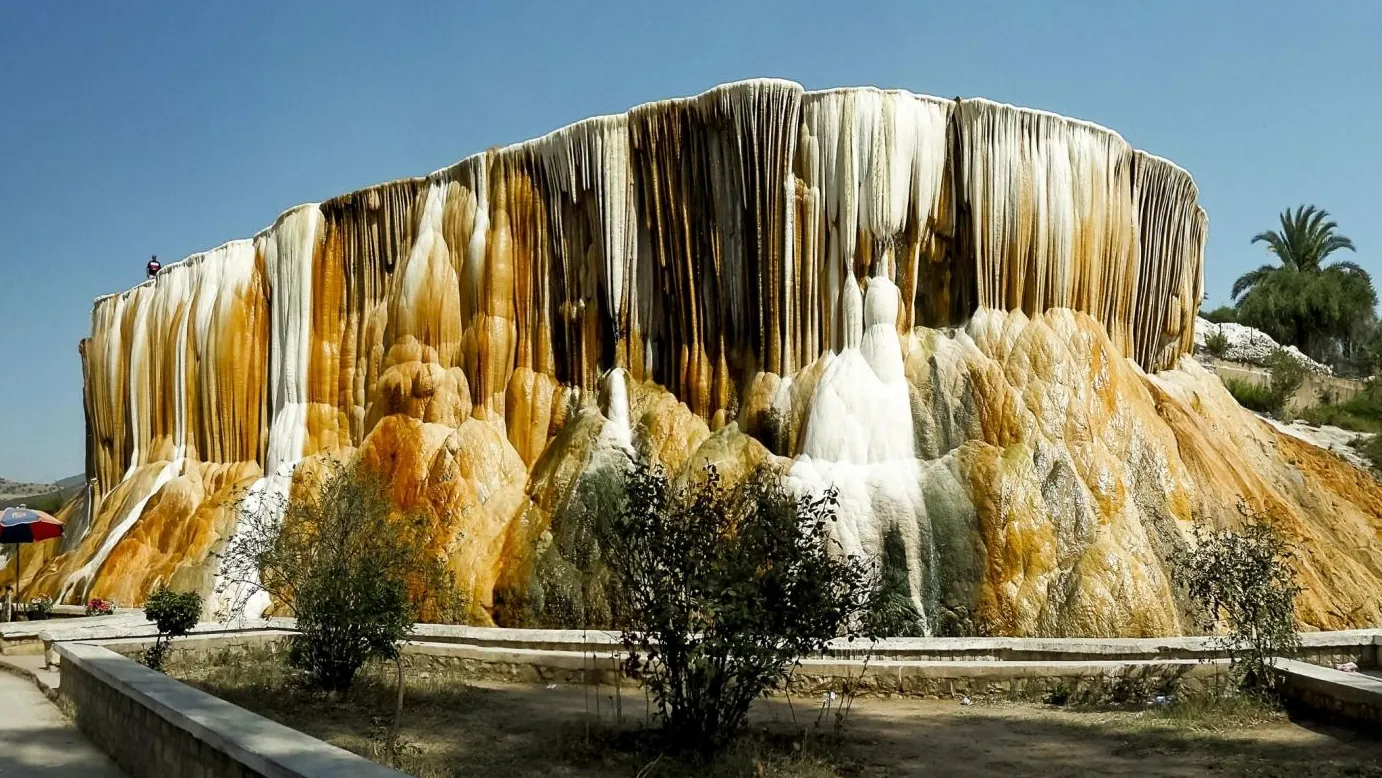
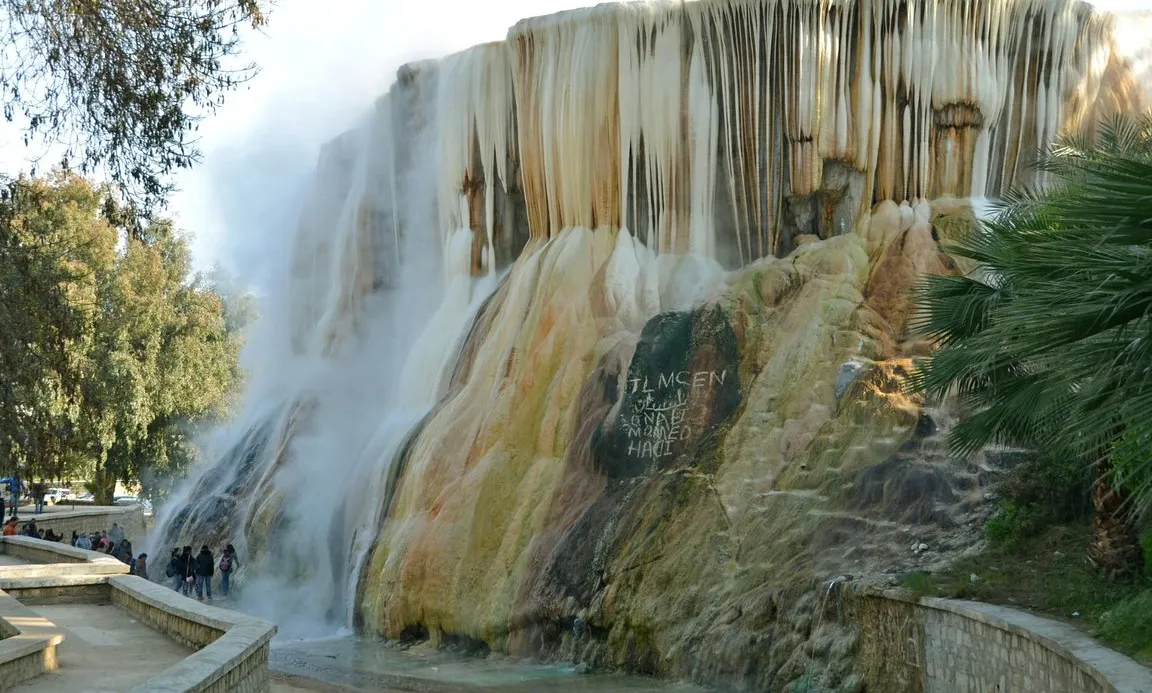
You are very close to a natural wonder: the famous Hammam Debagh (Hammam Meskoutine), known for its impressive thermal waterfalls and rock formations. It is also worth visiting the city of Guelma and its Roman theater.
Wear comfortable walking shoes, bring sun protection and plenty of water, as there are not many shops on the plateau itself. Do not forget your camera, as the combination of the mountains and the dam waters offers spectacular photo opportunities.
¿Prefieres escuchar en español?
🇪🇸 Escucha la audioguía de Bouhamdane Plateau en español