¿Sabías que en estas montañas argelinas, un emperador romano plantó una ciudad para veteranos cansados de guerras, que terminó siendo un paraíso traicionado por invasores?
The Ruins of Tiddis are usually open during the day, although exact hours may vary depending on the season and local administration. I recommend checking the latest schedule on the official tourism website of Constantine before your visit. To get there, the most common option is to take a taxi from Constantine, as public transport to the archaeological site is not very frequent.
The entrance fee for the Ruins of Tiddis is generally very affordable, often symbolic, to encourage cultural tourism. Sometimes students or groups may receive discounts, but this should be checked directly at the entrance. It is best to bring Algerian dinars in cash, as cards are unlikely to be accepted.
For a full and rewarding visit to the Ruins of Tiddis, I recommend allowing at least 2 to 3 hours. This will let you explore the different areas at a relaxed pace, appreciate the archaeological remains, and, if you wish, take photographs. If you are a history enthusiast, you might even stay longer.
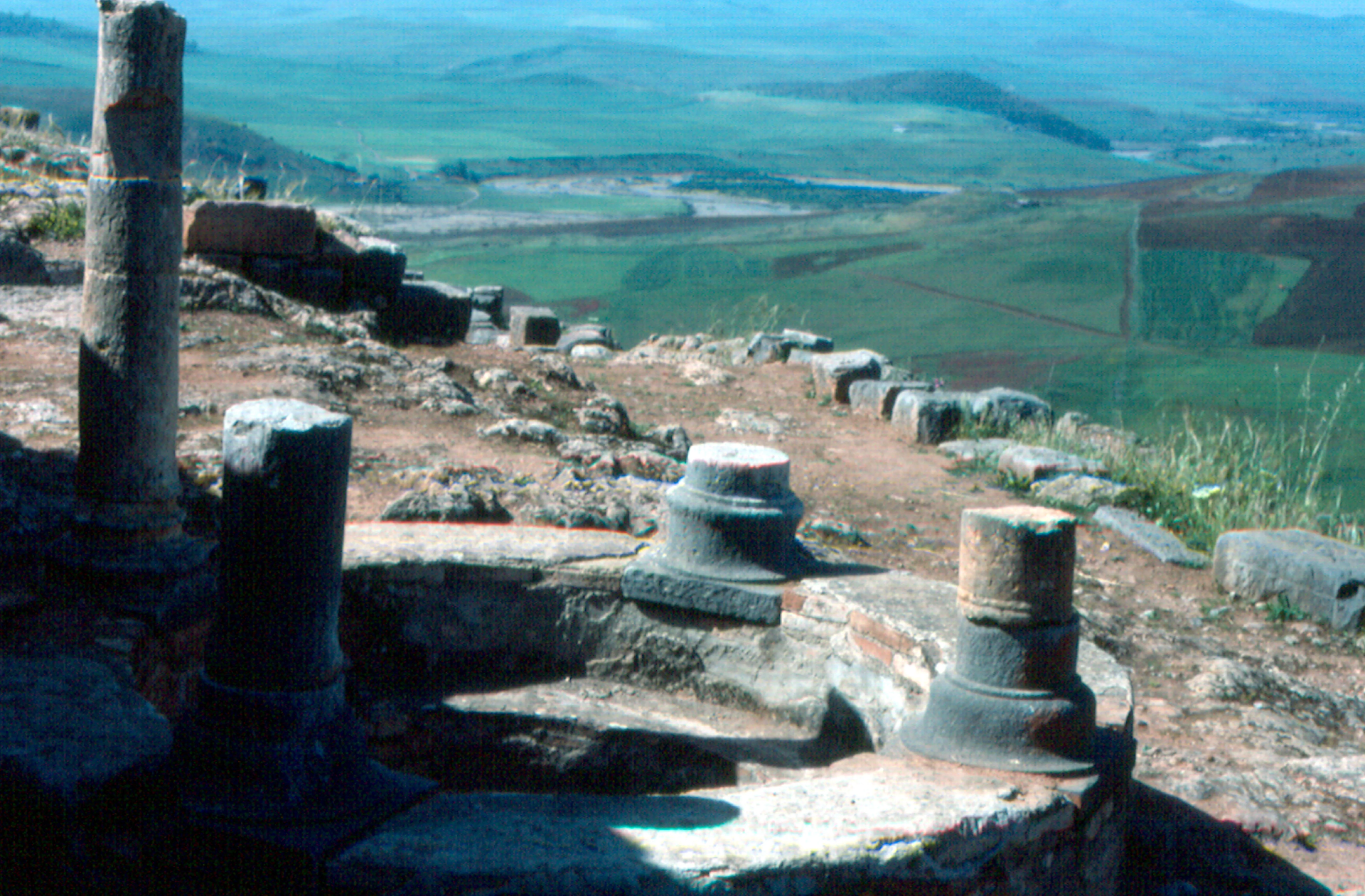
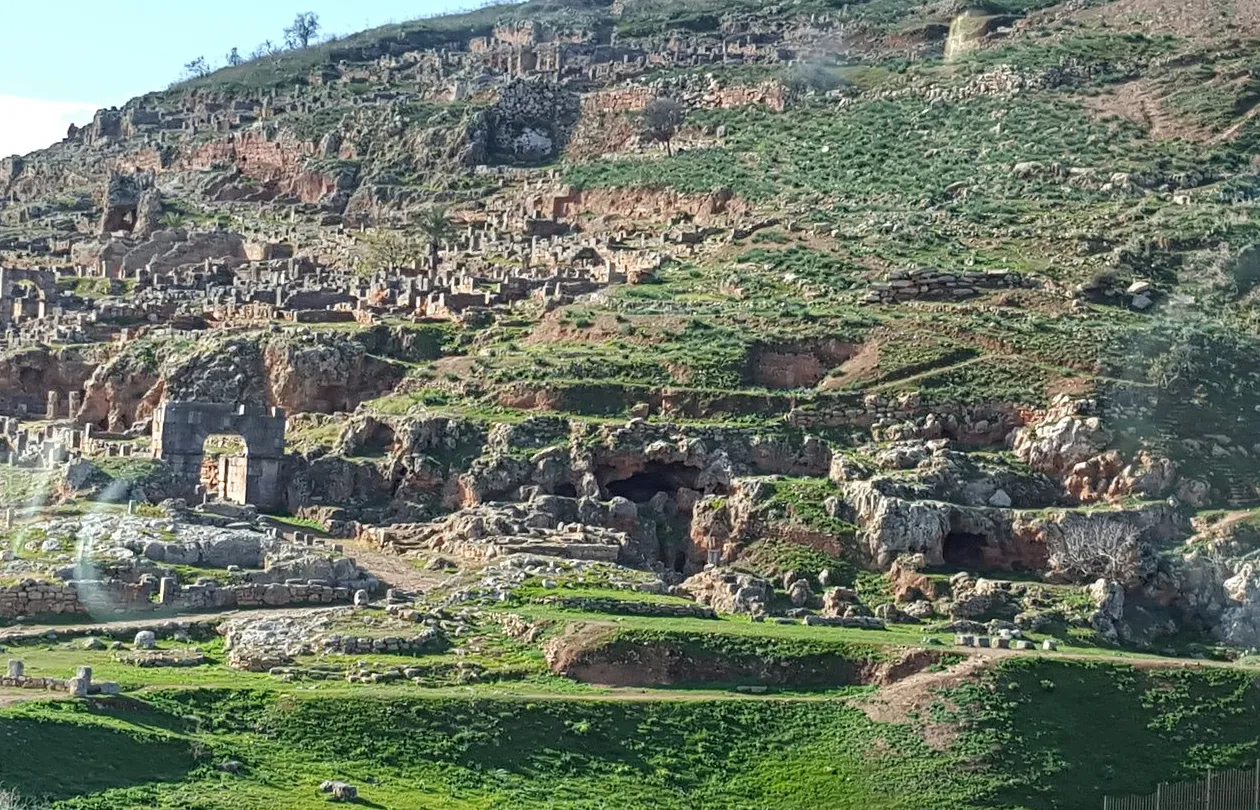
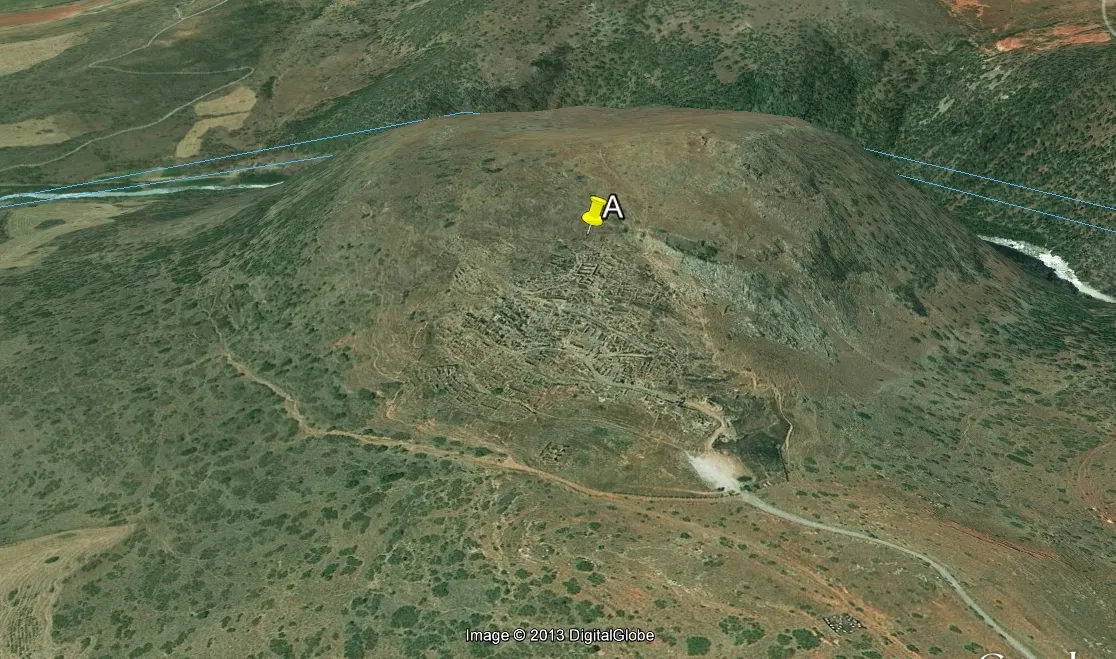
Tiddis, known in antiquity as Castellum Tidditanorum, was a Numidian and Roman city with a rich history stretching back thousands of years. Its importance lies in its excellent state of preservation, which shows Roman adaptation to a mountainous landscape and the coexistence of different cultures. It is a tangible witness to the region’s glorious past.
The best time to visit the Ruins of Tiddis is during spring (March to May) or autumn (September to November), when temperatures are milder and more pleasant for walking outdoors. During the day, I suggest going early in the morning to avoid the midday heat and enjoy softer light for photography.
Unfortunately, like many ancient archaeological ruins, the Ruins of Tiddis can present significant challenges for people with reduced mobility. The terrain is uneven, with dirt paths, steps, and level changes. There are no specific accessibility facilities, so caution and, if necessary, assistance are recommended.
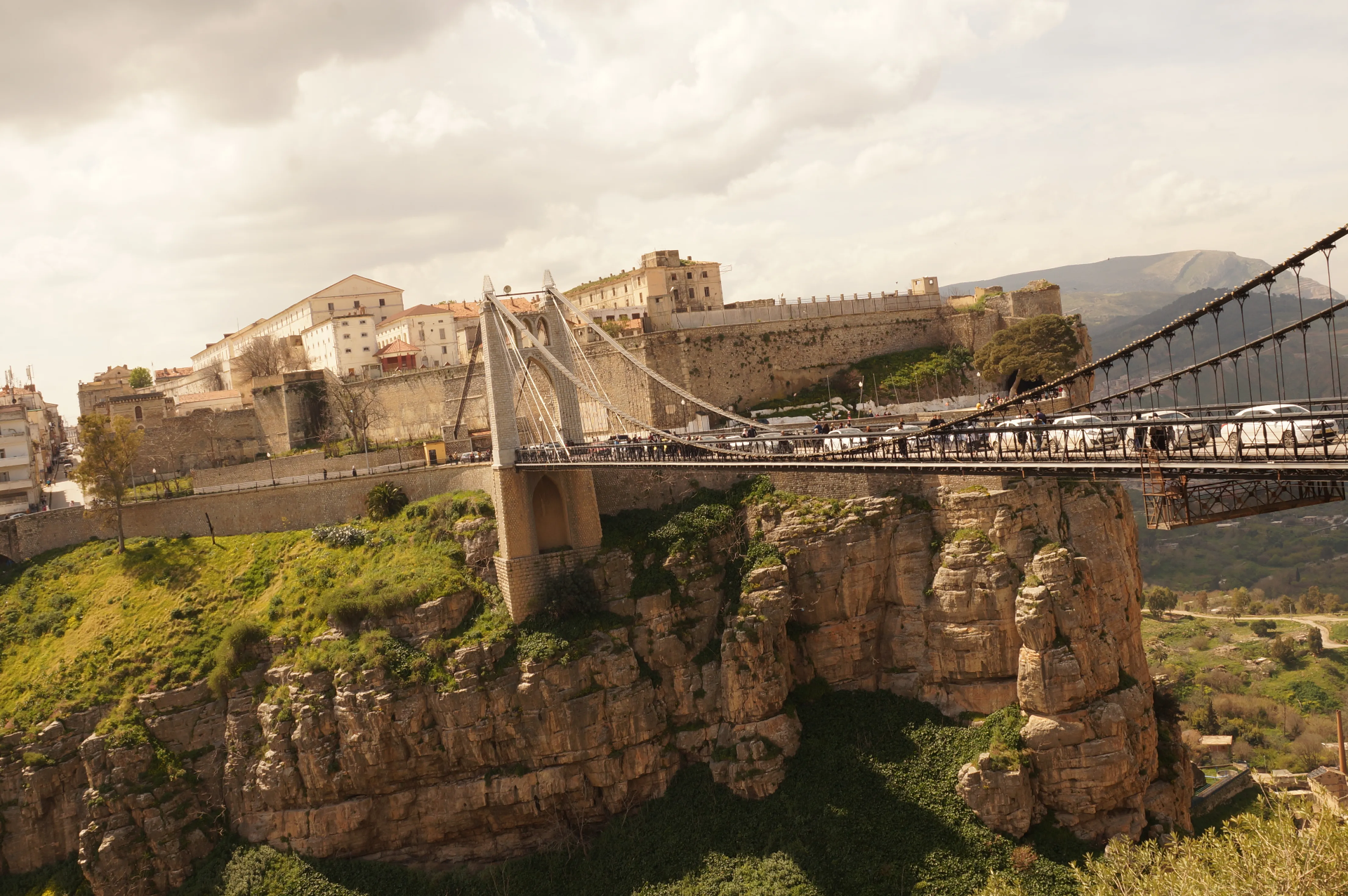
Since you are in the region, you should not miss Constantine, known as the 'city of suspended bridges.' There you can explore the iconic Sidi M'Cid Bridge, the Cirta National Museum, and the beautiful Palace of Ahmed Bey. Constantine offers a wealth of history and culture that will complement your visit to Tiddis.
Of course—here are a few tips: wear comfortable, sturdy shoes, as you will be walking on uneven ground. Do not forget water, sun protection (hat, sunglasses, sunscreen), and perhaps some snacks, as there are not many options on site. Consider hiring a local guide when you arrive for a deeper understanding of the history. And of course, bring your camera to capture the beauty of the place!
¿Prefieres escuchar en español?
🇪🇸 Escucha la audioguía de the Ruins of Tiddis en español