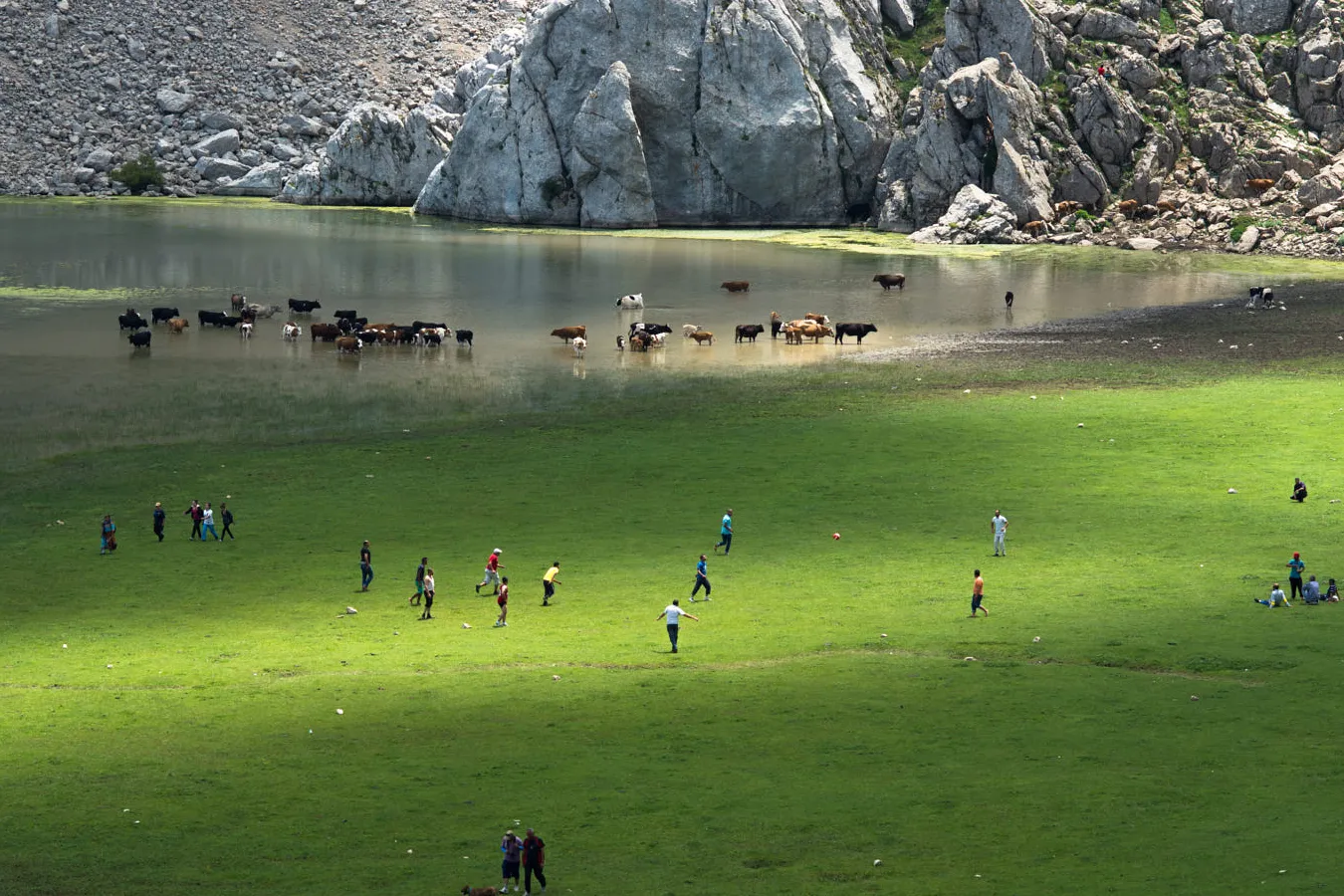
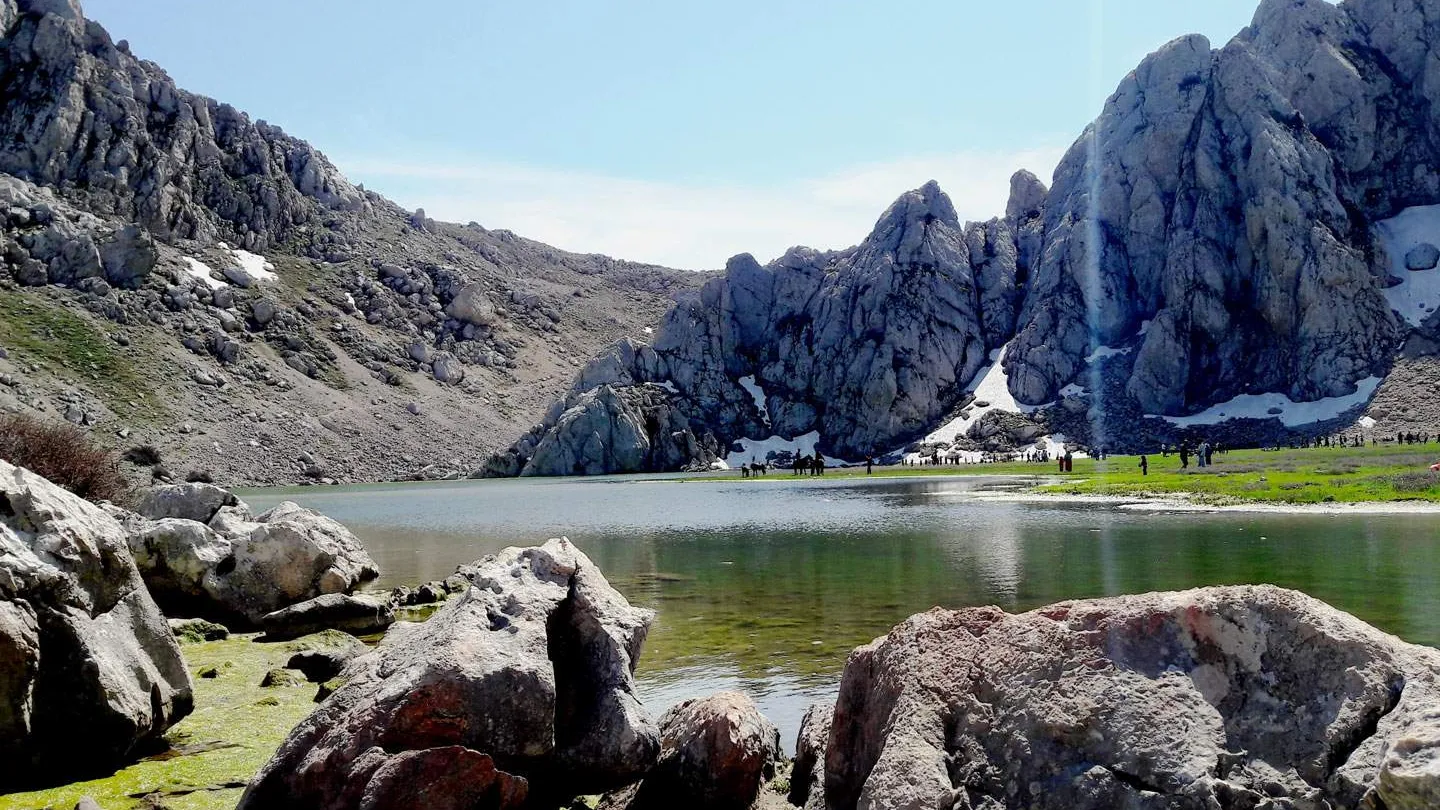
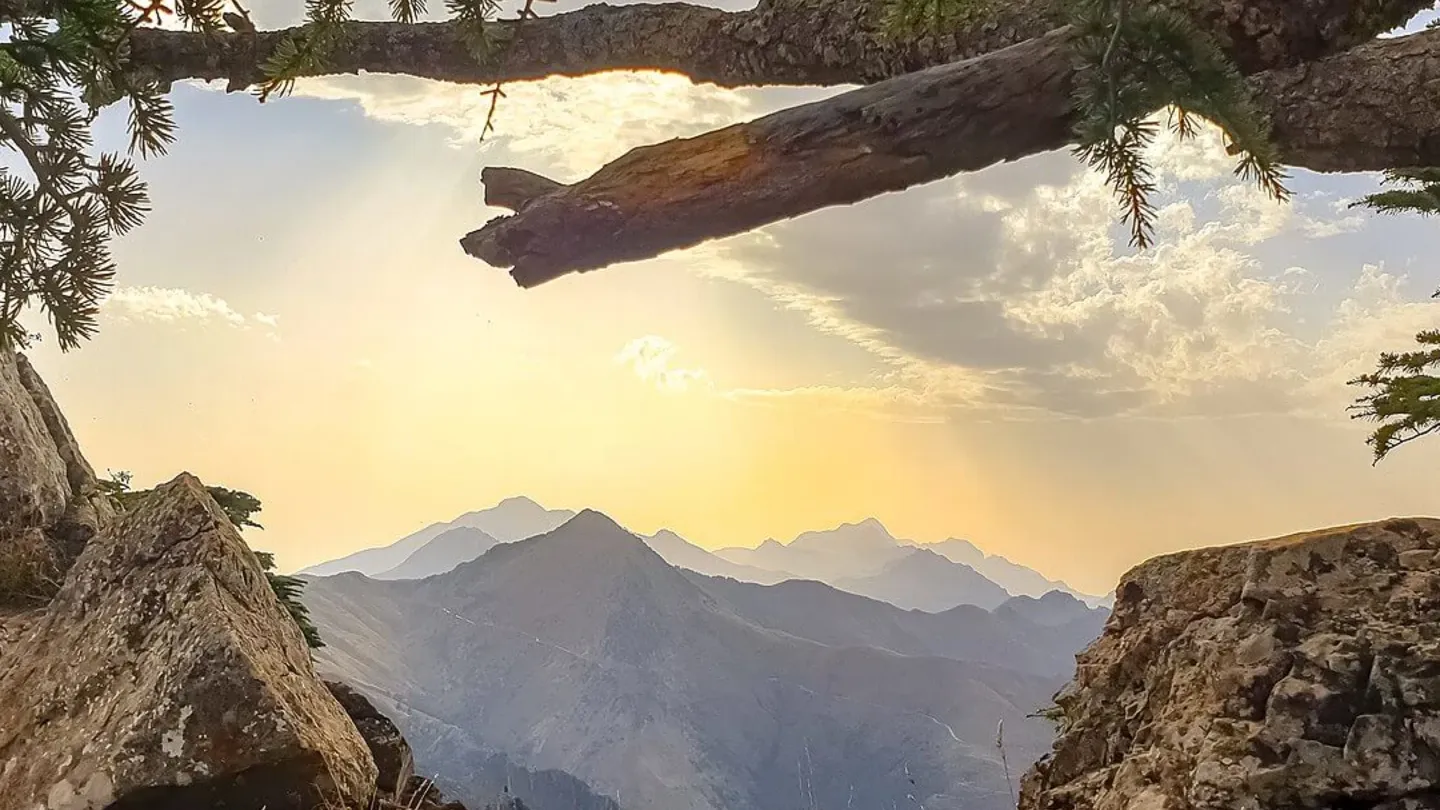
Un vasto tesoro natural en las montañas del Atlas de Kabilia, Argelia, con picos impresionantes, bosques de cedros y una rica biodiversidad que invita a explorar su esencia salvaje.
Djurdjura National Park is generally open year-round, although some areas may have seasonal restrictions due to snow or weather conditions. The most common way to get there is by car from nearby cities such as Bouira or Tizi Ouzou. I recommend checking road conditions and any required permits in advance. You can find more information about access routes on Google Maps or in local travel guides.
General access to Djurdjura National Park is usually free. However, there may be fees for specific activities such as camping in designated areas or accessing certain protected zones or managed mountain shelters. It is advisable to ask locally before your visit or look online for the official website, if available. Unfortunately, I do not have a direct official website for fees at this time.
To truly immerse yourself in the beauty of Djurdjura National Park, I recommend at least one full day, especially if you plan to do a hiking route. If you are a nature and mountain lover, even a stay of 2 to 3 days will allow you to explore its impressive landscapes and activities more deeply.
Djurdjura National Park has great historical and cultural richness, as it is home to the Kabyle people, one of the oldest Berber populations in Algeria. The region has deep roots in the country's history and has been a stronghold of resistance. In addition, many of its traditions and customs are still vividly preserved in the surrounding villages.
Spring (April to June) is ideal, as the flora is at its peak and temperatures are pleasant. Autumn (September to November) also offers stunning landscapes with ochre colors. As for the best time of day, the early morning hours are perfect for wildlife watching and for avoiding the midday heat in summer, while the afternoons offer spectacular sunsets.
Djurdjura National Park is mainly mountainous and rugged terrain, which can make access difficult for people with reduced mobility on most of its trails and natural areas. However, some zones near the main entrances or picnic areas may be more accessible. I suggest contacting park authorities or local guides for specific information about adapted routes.
Absolutely. Near Djurdjura National Park and in the Bouira region, you can visit traditional Kabyle villages to experience the local culture, explore craft markets, or even discover other lesser-known natural areas. The region also has some waterfalls and viewpoints that are worth visiting if you have time.
My best advice is to bring suitable hiking footwear, layered clothing adapted to changing mountain weather, enough water, and sunscreen. Hiring a local guide can enrich your experience by helping you discover hidden trails and learn about the flora and fauna. And do not forget your camera to capture the majesty of Djurdjura.
¿Prefieres escuchar en español?
🇪🇸 Escucha la audioguía de Djurdjura National Park en español