No te vayas sin conocer la historia Suscribete
IAudioGuia iaudioguia
Audio Guides of Teatro

Audio Guide of the Roman Theatre of Butrint

Donde actores griegos recetaban risas como medicina divina y romanos se peleaban por las mejores butacas

✓ What guidebooks don't tell you
✓ Secrets other tourists miss
✓ Listen while you explore
Discover everything
00:00
00:00
Rate this audio guide

📖 Audio Guide Chapters

6 chapters

1. Warning: actors with delusions of being doctors

🔒 Premium Content

Subscribe to access all chapters of this audio guide.

2. The shape-shifting theatre that grew like a mushroom

🔒 Premium Content

Subscribe to access all chapters of this audio guide.

3. The war over the VIP seats

🔒 Premium Content

Subscribe to access all chapters of this audio guide.

4. Greece’s spiciest souvenir

🔒 Premium Content

Subscribe to access all chapters of this audio guide.

5. Find the Greek stonemason’s telltale mark

🔒 Premium Content

Subscribe to access all chapters of this audio guide.

6. Final scene: the applause that never ends

🔒 Premium Content

Subscribe to access all chapters of this audio guide.

❓ Frequently Asked Questions

What are the opening hours of the Butrint Theatre, and how can I get there?

Butrint National Park, where the Ancient Theatre is located, usually opens from 8:00 AM to 8:00 PM during the high season (June to September), and hours may vary in winter. We recommend checking the official Butrint National Park website before your visit to confirm. To get there, the most common option is by car from Sarandë (about 30 minutes), or you can take a local bus that stops near the entrance.

How much does admission to the Butrint Theatre and National Park cost?

Admission to Butrint National Park, which includes access to the Theatre and other archaeological remains, costs around 1,000 Albanian lek (approximately 8–9 euros) for adults. Children and students usually receive reduced rates. You can buy your tickets directly at the ticket office at the park's main entrance.

How much time do I need to visit the Butrint Theatre and the rest of the Archaeological Park?

To fully enjoy the Theatre and the main highlights of the Butrint Archaeological Park, we recommend setting aside at least 2 to 3 hours. If you like to explore slowly and read all the explanations, you could easily spend half a day. The site is quite extensive, and there is a lot to see.

What is the history or significance of the Butrint Theatre?

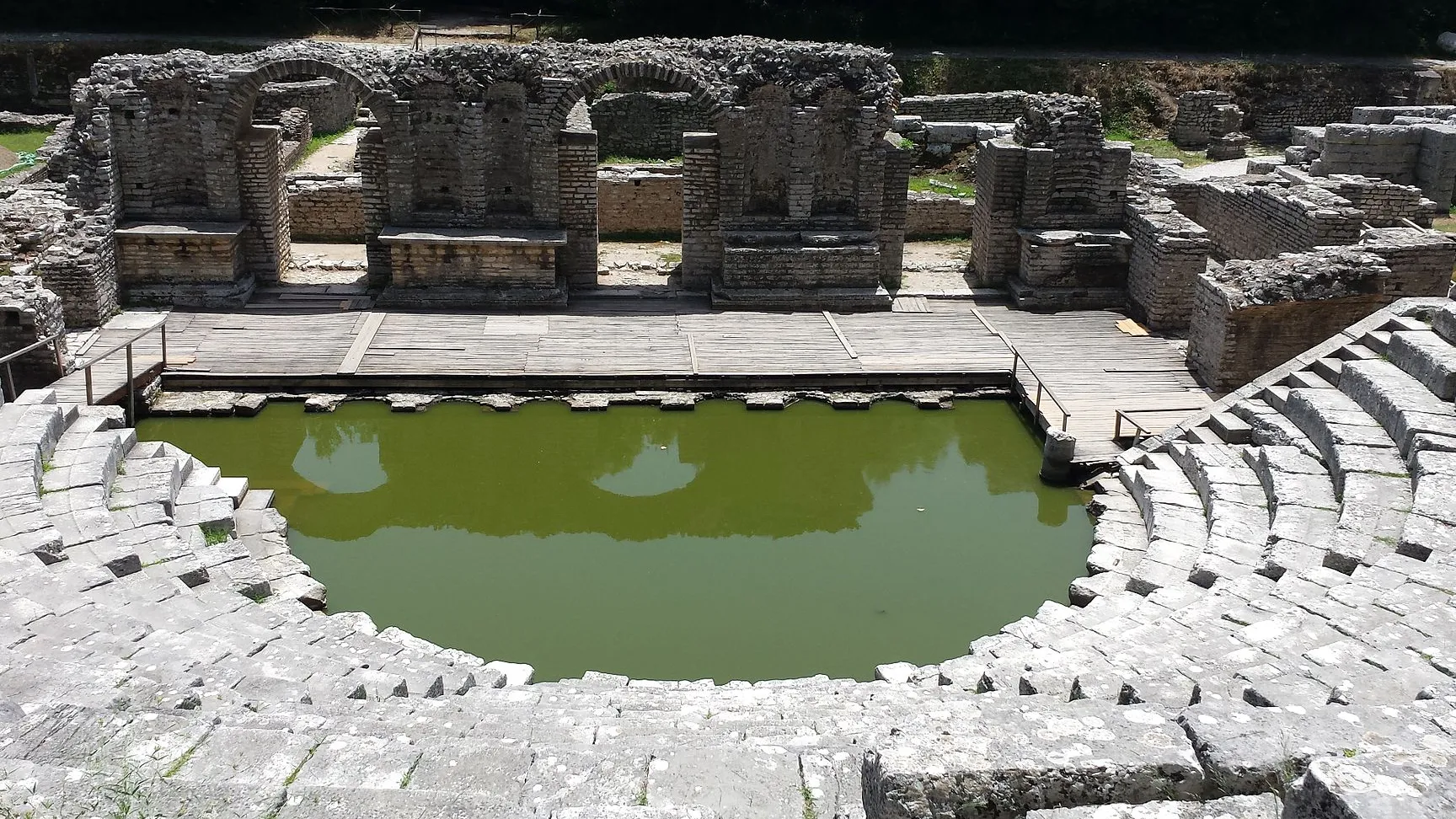
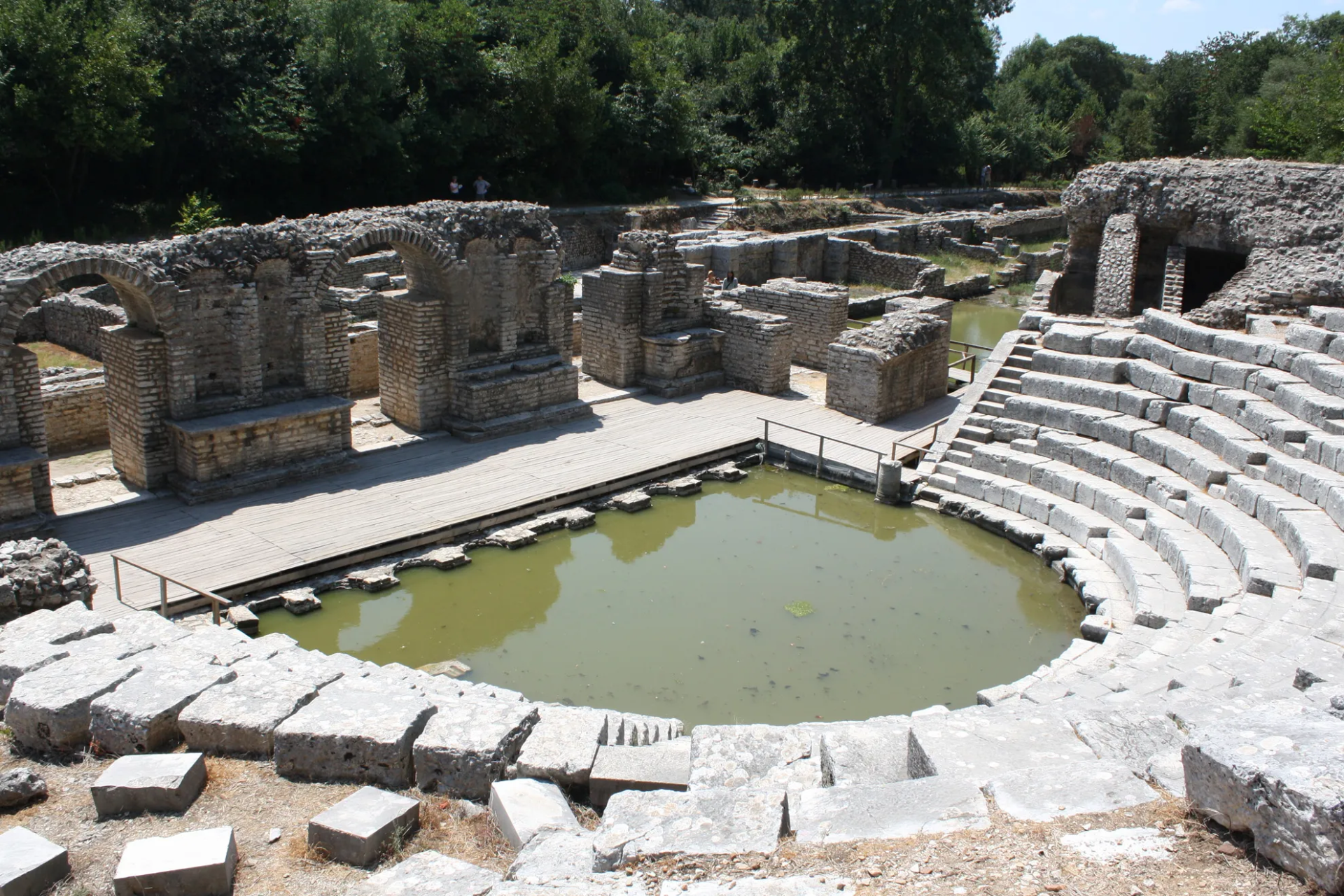
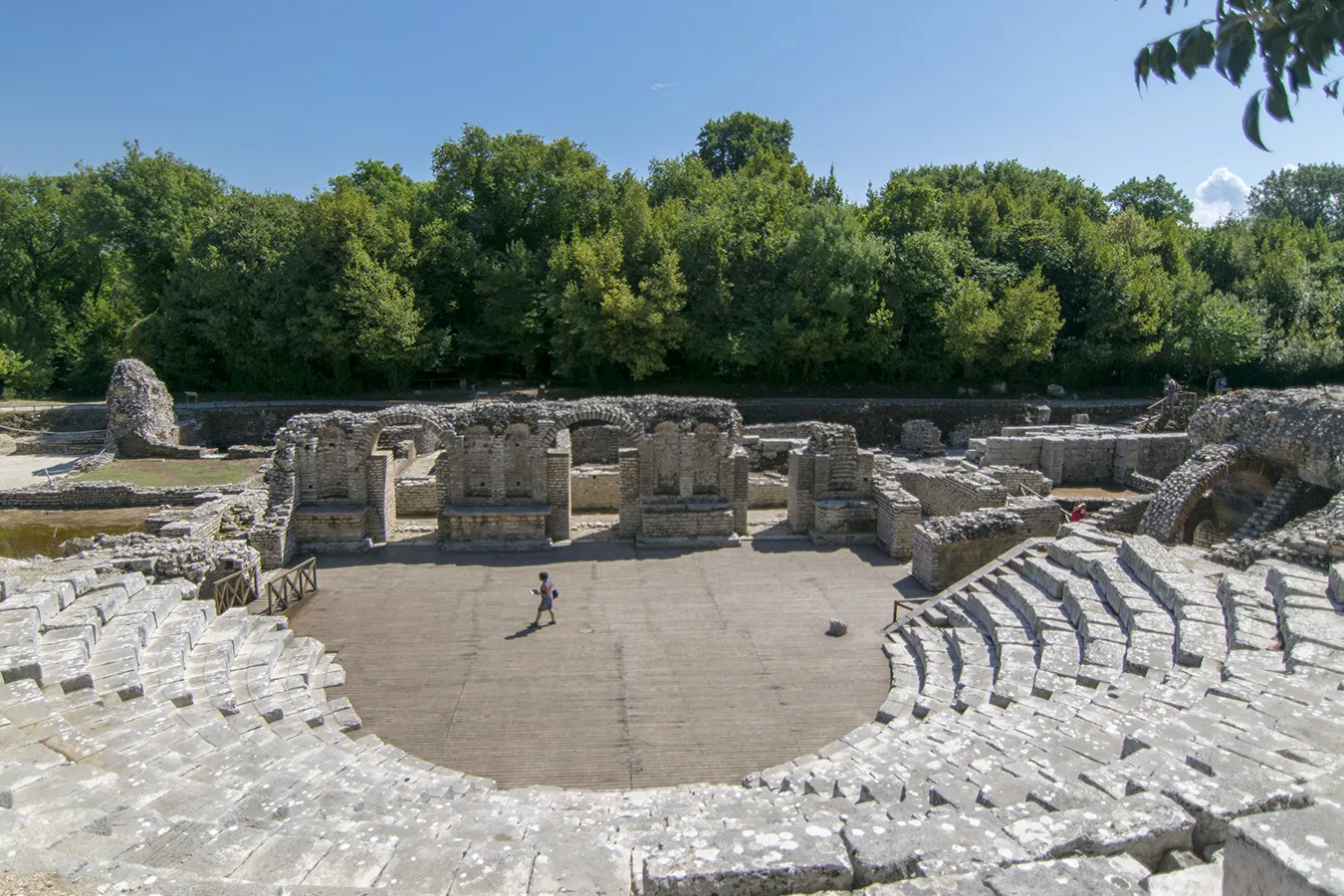
The Ancient Theatre of Butrint is one of the best-preserved archaeological treasures of the site. Originally built in the 3rd century BC by the Greeks and later expanded by the Romans, it was the cultural and social center of the ancient city. Its excellent state of preservation makes it easy to imagine what life was like in those times and how it was used for dramatic performances and assemblies.

What is the best time of year or day to visit the Butrint Theatre?

The best time to visit Butrint is during spring (April–May) or early autumn (September–October), when the weather is pleasant and the crowds are smaller. During summer, we recommend visiting early in the morning or late in the afternoon to avoid intense heat and heavy crowds. At those times, the light is also ideal for photography.

Is the Butrint Theatre accessible for people with reduced mobility?

The Butrint Archaeological Park, including the area near the Theatre, has uneven terrain with dirt and stone paths, as well as some slopes. Although efforts have been made to improve accessibility, direct access inside the Roman theatre and to certain areas may be difficult for people with reduced mobility or wheelchair users. It is recommended to contact the park in advance for specific information about accessible routes.

What other attractions or places of interest are near the Butrint Theatre?

The Theatre is located within Butrint National Park, a UNESCO World Heritage Site. You can explore other impressive remains such as the Baptistery, the Basilica, the Forum, the Lion Gate, the Scaean Gate, and the Butrint Museum. In addition, Butrint is close to the beautiful coastal city of Sarandë, with its beaches and lively nightlife, as well as the enchanting Blue Eye (Syri i Kaltër).

What practical tips would you give me to make the most of my visit to the Butrint Theatre?

We recommend wearing comfortable shoes, sunscreen, and a hat, especially in summer, as there is little shade. Don't forget a bottle of water to stay hydrated. Consider hiring a local guide or using an audio guide to enrich your experience with detailed explanations about the history of the site. And of course, bring a good camera to capture the beauty of the place!

¿Prefieres escuchar en español?

🇪🇸 Escucha la audioguía de the Roman Theatre of Butrint en español