No te vayas sin conocer la historia Suscribete
IAudioGuia iaudioguia
Audio Guides of Kukes

Audio Guide of Kalaja Fortress

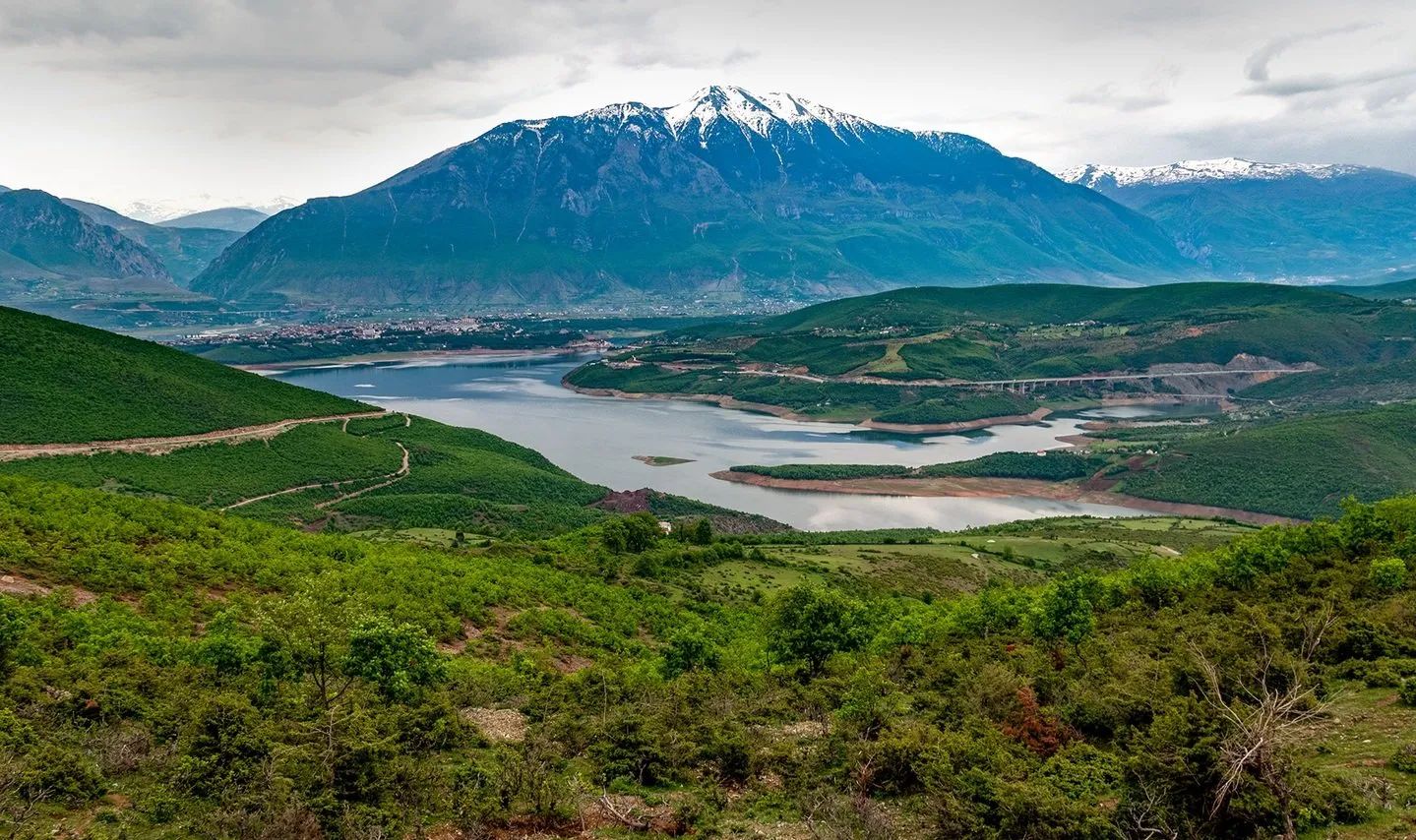
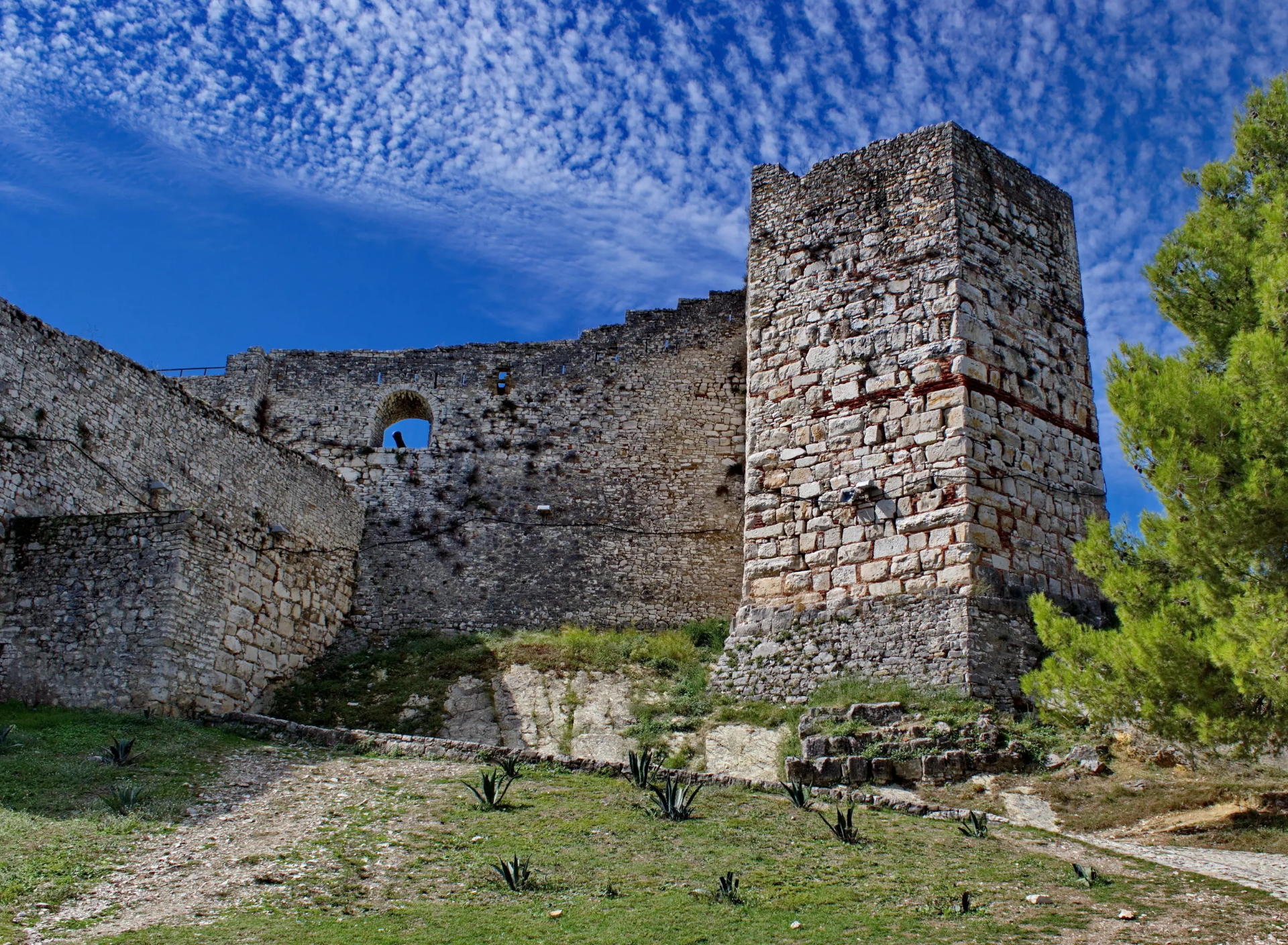
An ancient fortress rising majestically, a silent witness to centuries of history in the Kukës region.

✓ What guidebooks don't tell you
✓ Secrets other tourists miss
✓ Listen while you explore
Discover everything
00:00
00:00
Rate this audio guide

📖 Audio Guide Chapters

6 chapters

1. Introduction and History

🔒 Premium Content

Subscribe to access all chapters of this audio guide.

2. Architecture and Design

🔒 Premium Content

Subscribe to access all chapters of this audio guide.

3. Art and Decoration

🔒 Premium Content

Subscribe to access all chapters of this audio guide.

4. Historical Figures

🔒 Premium Content

Subscribe to access all chapters of this audio guide.

5. Curiosities and Legends

🔒 Premium Content

Subscribe to access all chapters of this audio guide.

6. Cultural Importance and Legacy

🔒 Premium Content

Subscribe to access all chapters of this audio guide.

❓ Frequently Asked Questions

What are the opening hours of Kalaja Fortress and how can I get there?

As it is an archaeological site and largely open ruins, it does not have a strict closing time, but visiting during daylight hours is recommended for safety. You can find the exact location and plan your route directly on Google Maps.

Do I have to pay an entrance fee to visit the fortress, or is it free?

Access to the fortress ruins in Kukës is generally free, as it is currently an open site without formal ticket booths. It is an excellent budget-friendly stop if you are traveling through northern Albania; however, it is always a good idea to carry some cash in case there are local guides or small nearby museums.

How much time should I set aside to explore the fortress properly?

The visit is relatively short; about 45 minutes to 1 hour is enough time to explore the ruins and enjoy the panoramic views. It is a perfect stop to stretch your legs if you are traveling through the region.

What is the historical importance of this place, and why should I visit it?

This site is a key testimony to the area's Illyrian and Roman history, historically serving as a strategic control point over the confluence of the Black Drin and White Drin rivers. To fully understand what you are seeing and not just look at stones, I recommend complementing your visit with some historical background information.

What is the best time of day or year to visit?

The best seasons are spring and autumn to avoid intense heat or extreme mountain cold; as for the time of day, sunset offers spectacular light over Fierza Lake. The elevated views are exceptional and ideal for photography, especially during the famous golden hour.

Is the site accessible for people with reduced mobility or baby strollers?

Due to the nature of the terrain, which is uneven, with dirt paths and loose stones, accessibility is very limited and it is not recommended for wheelchairs. If you are traveling with small children, a baby carrier is preferable to a stroller.

What other tourist attractions can I see near Kukës after visiting the fortress?

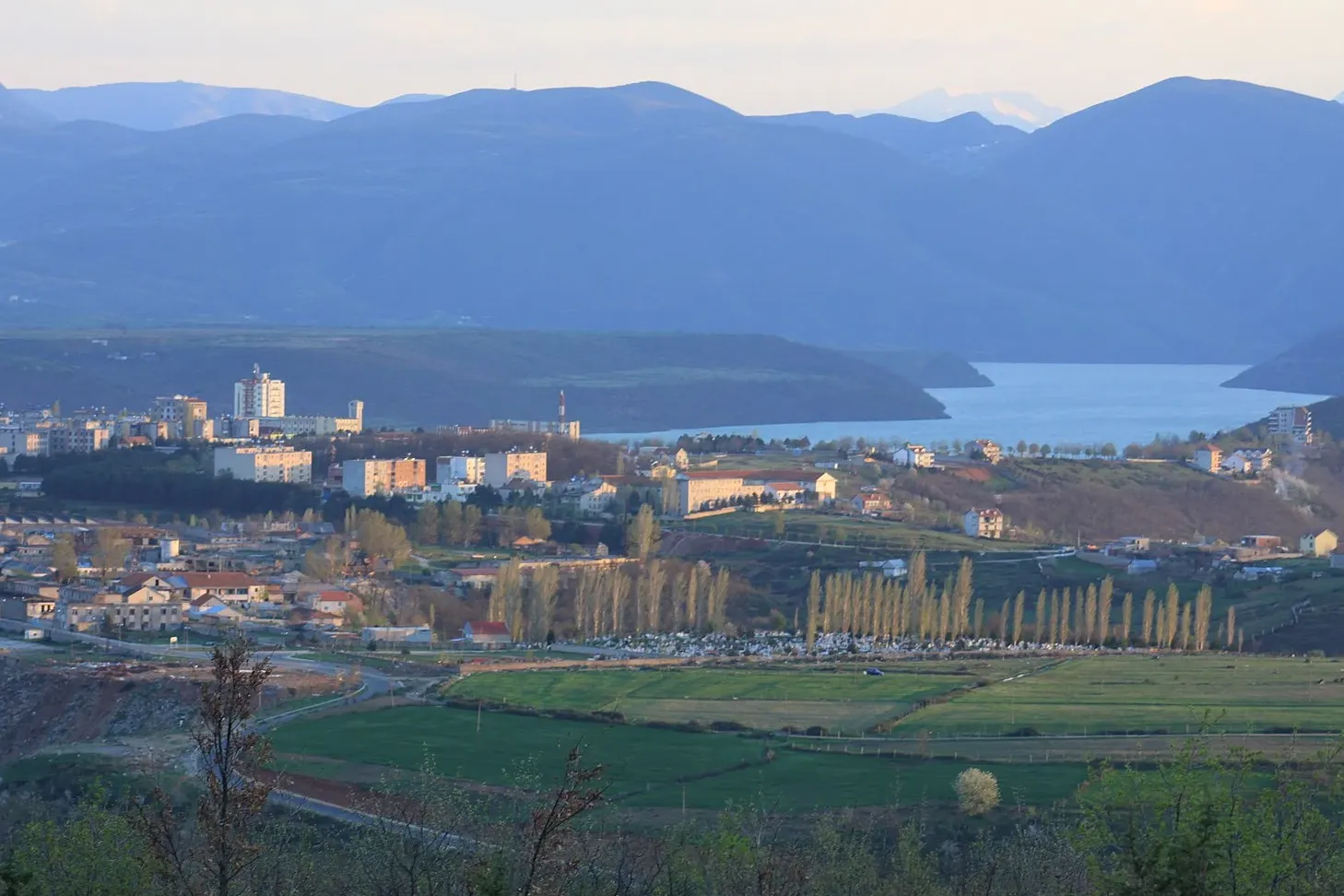
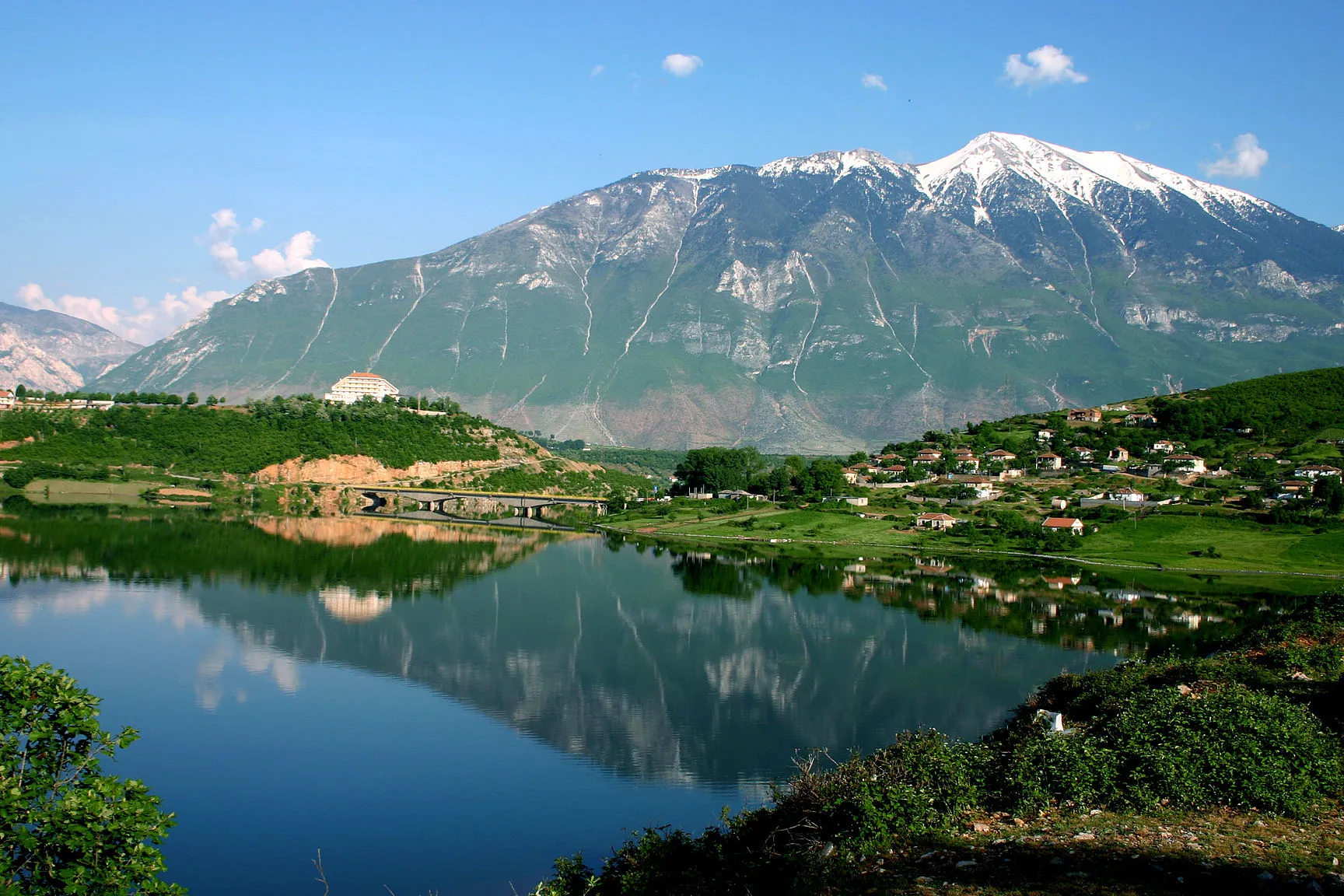
Take the opportunity to visit the impressive Fierza Lake or, if you enjoy hiking, explore the trails leading to Mount Gjallica, which rises above the city. You can also take a walk through the center of the new city of Kukës to learn about its history of reconstruction.

Do you have any practical tips to make the most of the visit?

Wear comfortable closed shoes, as you will be walking on uneven ground, and do not forget water and sun protection if you go in summer because there is very little shade. Ideally, download an audio guide to your phone before heading up so you can listen to the history while exploring at your own pace.

¿Prefieres escuchar en español?

🇪🇸 Escucha la audioguía de Kalaja Fortress en español