No te vayas sin conocer la historia Suscribete
IAudioGuia iaudioguia
Audio Guides of Fier

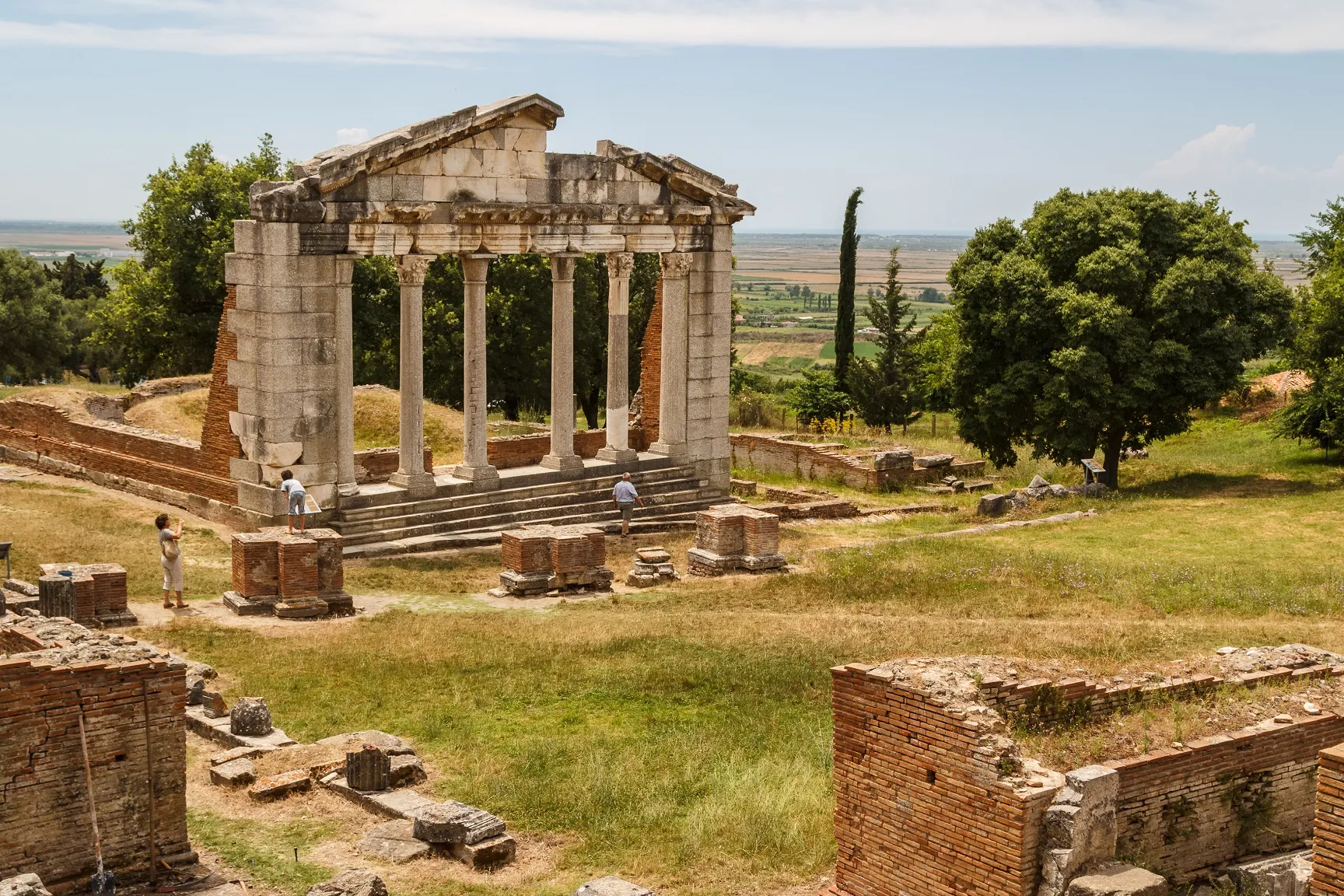
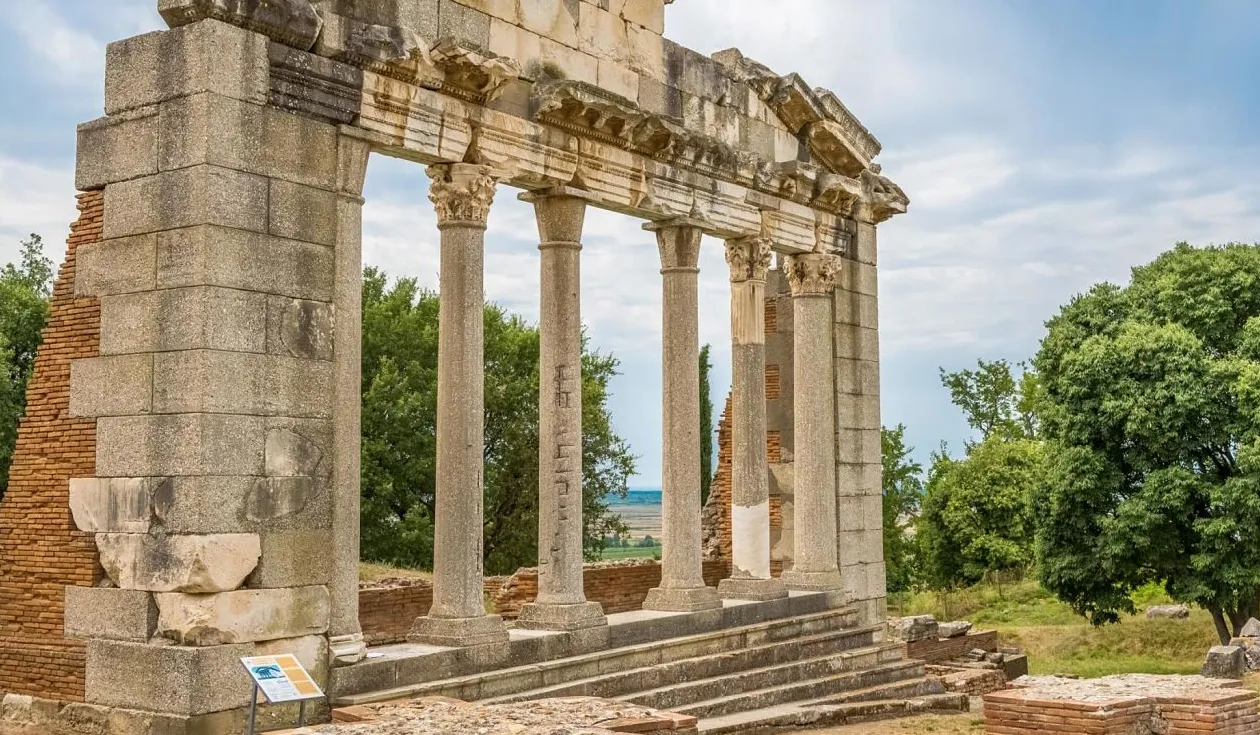
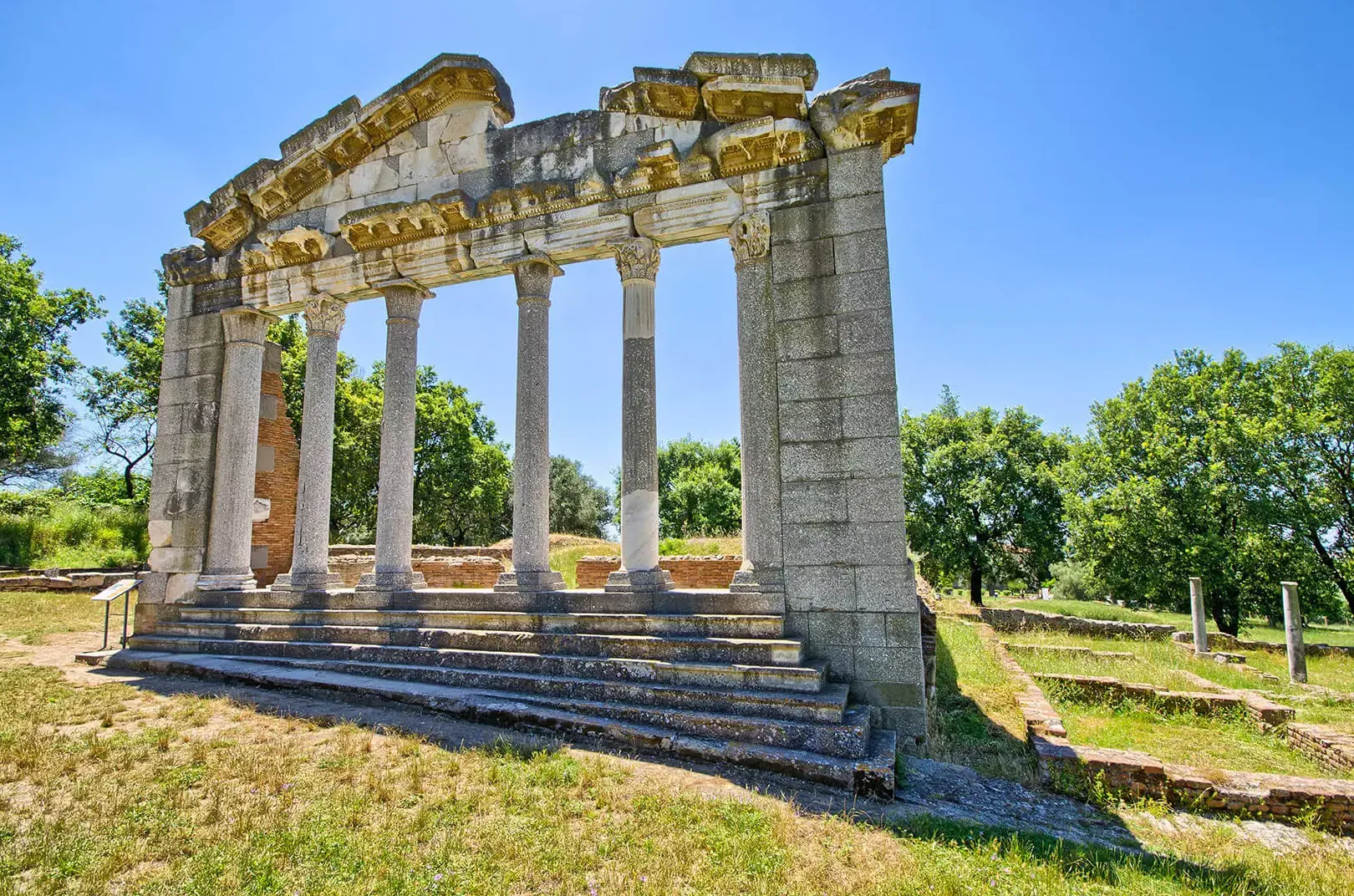
Audio Guide of Nymphaeum of Apollonia

Donde el agua corrió durante siglos entre intrigas políticas y baños romanos de dudosa utilidad

✓ What guidebooks don't tell you
✓ Secrets other tourists miss
✓ Listen while you explore
Discover everything
00:00
00:00
Rate this audio guide

📖 Audio Guide Chapters

6 chapters

1. The fountain that almost became a Roman variety show

🔒 Premium Content

Subscribe to access all chapters of this audio guide.

2. The anti-panic aqueduct: architecture made to survive applause

🔒 Premium Content

Subscribe to access all chapters of this audio guide.

3. The day a future emperor got his feet wet here

🔒 Premium Content

Subscribe to access all chapters of this audio guide.

4. The mystery of the vegan nymphs

🔒 Premium Content

Subscribe to access all chapters of this audio guide.

5. Look for the water gatekeeper's seat

🔒 Premium Content

Subscribe to access all chapters of this audio guide.

6. Take virtual water and carry away a lesson

🔒 Premium Content

Subscribe to access all chapters of this audio guide.

❓ Frequently Asked Questions

What are the visiting hours for the Nymphaeum in the Archaeological Park?

The park is generally open every day from 9:00 AM to 8:00 PM during the summer and from 9:00 AM to 4:00 PM in winter. I recommend arriving early to make the most of the light and explore the site at a relaxed pace.

How much do tickets cost and where can I buy them?

General admission to the park (including the Nymphaeum) costs around 600 LEK (about €6), with a reduced student rate of 300 LEK. Tickets can be purchased at the main ticket office of the archaeological site.

How much time is recommended to see the Nymphaeum and its surroundings?

You need about 20 minutes for the Nymphaeum itself, but a full visit to the Archaeological Park of Apollonia will take between 2 and 3 hours. It is a large site that deserves to be explored without rushing.

What historical importance does this monument have in Albania?

The Nymphaeum is a monumental fountain from the 4th century BC, crucial for understanding the hydraulic engineering of the ancient Greek city of Apollonia. It represents one of the best-preserved examples of Illyrian and Hellenistic public architecture.

What is the best season or time of day to visit?

Spring and autumn are ideal for avoiding the intense heat of the Albanian summer. If you go in summer, I suggest visiting late in the afternoon to enjoy a spectacular sunset over the ruins.

Is access to the Nymphaeum suitable for people with reduced mobility?

The terrain is uneven, with slopes and dirt paths typical of an archaeological excavation, which makes wheelchair access difficult. The museum area and the monastery are more accessible than the specific descent to the fountain.

What other places of interest are near the Nymphaeum?

Right next to it you have the Monastery of Saint Mary and the Archaeological Museum, which houses incredible statues. In addition, you are a short drive from the city of Fier and the Ardenica Monastery.

What practical advice would you give to make the most of the visit?

Wear very comfortable shoes and bring water, as there is quite a lot of walking under the sun. To understand what you are seeing, it is essential to use a good guide or audio guide, since physical signage may be limited in some areas.

¿Prefieres escuchar en español?

🇪🇸 Escucha la audioguía de Nymphaeum of Apollonia en español