No te vayas sin conocer la historia Suscribete
IAudioGuia iaudioguia
Audio Guides of Ballsh

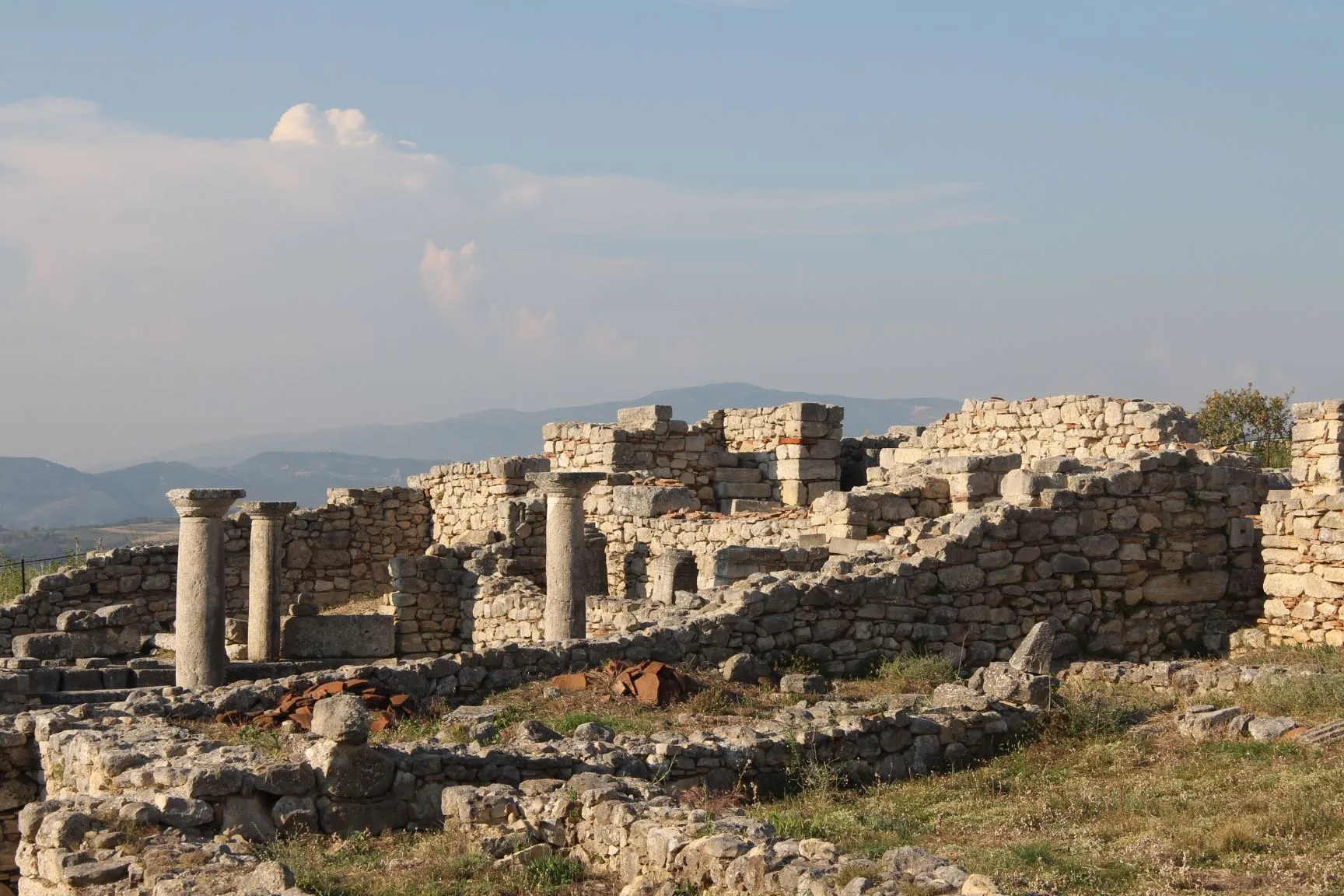
Audio Guide of the Ruins of Byllis

Antigua ciudad iliria enclavada en una colina cerca de Ballsh, Albania, que revela los vestigios de una próspera civilización del mundo antiguo con murallas, teatros y ágoras bien conservados.

✓ What guidebooks don't tell you
✓ Secrets other tourists miss
✓ Listen while you explore
Discover everything
00:00
00:00

📖 Audio Guide Chapters

6 chapters

1. Welcome to the Ruins of Byllis

🔒 Premium Content

Subscribe to access all chapters of this audio guide.

2. The Architecture of the Ruins of Byllis

🔒 Premium Content

Subscribe to access all chapters of this audio guide.

3. History and Figures of the Ruins of Byllis

🔒 Premium Content

Subscribe to access all chapters of this audio guide.

4. Art and Details of the Ruins of Byllis

🔒 Premium Content

Subscribe to access all chapters of this audio guide.

5. Secrets and Curiosities

🔒 Premium Content

Subscribe to access all chapters of this audio guide.

6. Farewell and Recommendations

🔒 Premium Content

Subscribe to access all chapters of this audio guide.

❓ Frequently Asked Questions

What are the opening hours of the Ruins of Byllis and how do I get there?

The archaeological park is usually open every day from 08:00 to 19:00 in summer (until 16:00 in winter). It is located near the village of Hekal; access requires a car or taxi from Ballsh, as public transport does not reach the top of the hill. See the exact location here.

How much do tickets cost, or is entry free?

Admission has a very affordable cost, generally 400 LEK (approximately 4 euros). It is crucial to bring cash in the local currency, as the ticket office does not have card payment terminals.

How much time should I set aside to explore the site properly?

I recommend setting aside between 1.5 and 2 hours. The site is extensive (30 hectares), and you will want to walk at a relaxed pace among the theater, the basilicas, and the panoramic views of the valley.

What historical importance does Byllis have compared with other sites?

It was the largest Illyrian city in southern Albania, founded in the 4th century BC, and it even had its own coinage. It stands out for preserving a huge theater and impressive walls, being less touristy but just as fascinating as Apollonia.

What is the best season or time of day to visit?

Spring or autumn are ideal to avoid extreme heat. If you go in summer, try to visit at sunset; the golden light falling over the Vjosa River from the ruins offers one of the best views in all of Albania.

Is the site accessible for wheelchair users or people with reduced mobility?

It is an archaeological site with dirt paths, grass, and steep uneven ground, so accessibility is very limited. It is not recommended for wheelchairs or people with serious mobility difficulties.

What other interesting places are nearby to round out the day?

You can combine the visit with Ardenica Monastery to the north or explore the course of the Vjosa River, one of the last wild rivers in Europe. Byllis is a perfect stop on the route between Fier and Gjirokastër.

What practical advice would you give me to make the most of the experience?

Bring closed-toe shoes and water, as there is little shade. In addition, on-site signage is limited, so having an audio guide on your phone will turn a pile of stones into a vivid and understandable story.

¿Prefieres escuchar en español?

🇪🇸 Escucha la audioguía de the Ruins of Byllis en español