No te vayas sin conocer la historia Suscribete
IAudioGuia iaudioguia
Audio Guides of Durres

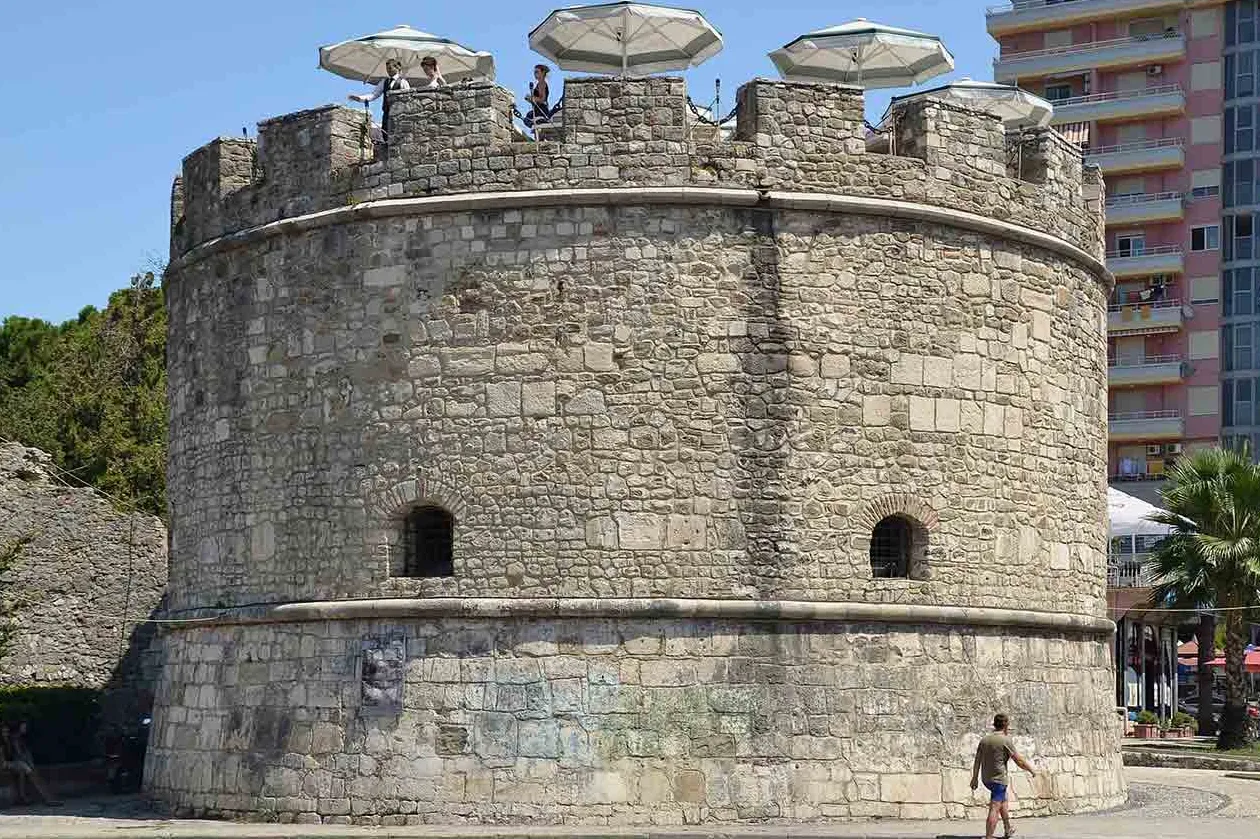
Audio Guide of Durrës Castle

Donde un emperador bizantino levantó murallas contra invasores... y contra los terremotos.

✓ What guidebooks don't tell you
✓ Secrets other tourists miss
✓ Listen while you explore
Discover everything
00:00
00:00
Rate this audio guide

📖 Audio Guide Chapters

6 chapters

1. The earthquake emperor's whim

🔒 Premium Content

Subscribe to access all chapters of this audio guide.

2. Stones that changed sides

🔒 Premium Content

Subscribe to access all chapters of this audio guide.

3. The princess, the Ukrainian, and the postman

🔒 Premium Content

Subscribe to access all chapters of this audio guide.

4. The treasure that went to the sea

🔒 Premium Content

Subscribe to access all chapters of this audio guide.

5. The window that fooled history

🔒 Premium Content

Subscribe to access all chapters of this audio guide.

6. Your feet stand on four empires

🔒 Premium Content

Subscribe to access all chapters of this audio guide.

❓ Frequently Asked Questions

What are the opening hours and how do you access the castle?

The castle's walled enclosure is open 24 hours a day, but the Skanderbeg Museum inside usually opens from 9:00 AM to 7:00 PM in summer (reduced hours in winter and closed on Mondays). Access is on foot through the historic Old Bazaar, following a cobbled street that leads directly to the fortress's main entrance.

How much is the entrance fee, or is it free to visit the site?

Walking inside the fortress walls and enjoying the views is free. However, to enter specific attractions such as the Gjergj Kastrioti Skanderbeg Museum or the Ethnographic Museum, you will need to buy a ticket costing around 500 LEK (approx. €5) and 400 LEK respectively.

How much time is recommended for the full visit?

For a complete experience that includes the museums, a walk through the ruins, and time for panoramic photos, I recommend allowing 2 to 3 hours. If you only plan to walk around the walled enclosure and see the exterior, one hour may be enough.

What is the historical importance of this castle for Albania?

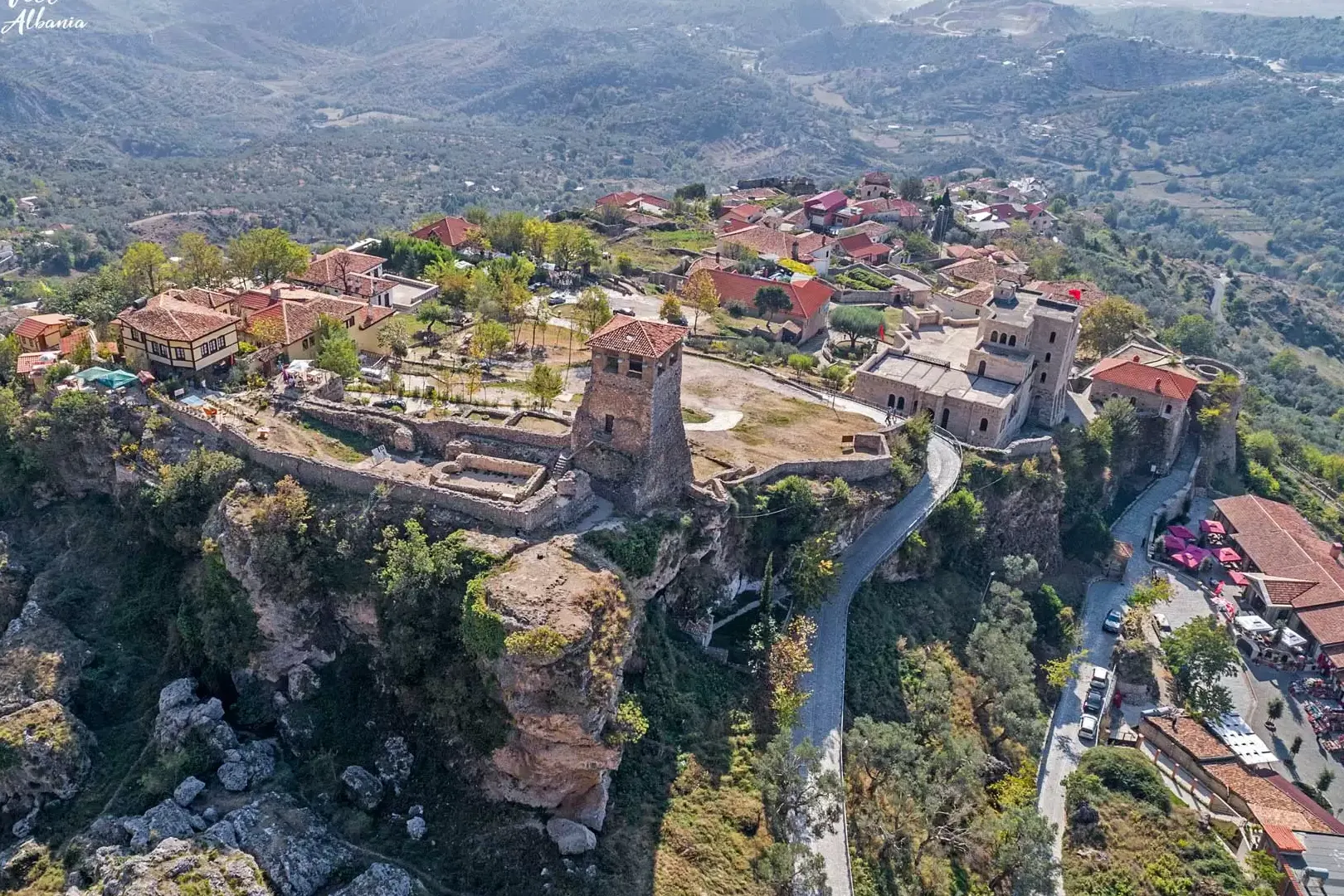
This place is the heart of Albanian resistance and a symbol of national pride; it was from here that the national hero Skanderbeg defended the country against the Ottoman Empire for 25 years. The castle withstood three massive sieges in the 15th century, becoming a legend in European history.

What is the best time of year or day to visit?

Spring and early autumn are ideal for avoiding the stifling heat and the August crowds. The best time of day is at sunset, when you can watch the sun go down over the Adriatic Sea from above, with perfect golden light for photography.

Is the castle accessible for people with reduced mobility?

Access is quite difficult for wheelchairs or visitors with limited mobility because of the old cobbled streets, which are steep and slippery. Although vehicles can get close to the upper entrance, moving around inside the citadel involves many historic architectural barriers.

What other nearby attractions should I not miss?

Right at the foot of the castle you will find the must-see Old Bazaar (Pazari i Vjetër), one of the best-preserved Ottoman markets where you can buy local handicrafts. You can also visit Mount Sarisalltik if you have a vehicle to reach the mountain summit.

What practical advice would you give me to make the most of the visit?

It is essential to wear comfortable shoes with good grip, such as trainers, because the original paving stones are very smooth and slippery. I also recommend bringing cash (Albanian lek) for tickets and souvenirs, and using an audio guide to truly understand the epic history surrounding these walls.

¿Prefieres escuchar en español?

🇪🇸 Escucha la audioguía de Durrës Castle en español