No te vayas sin conocer la historia Suscribete
IAudioGuia iaudioguia
Audio Guides of Butrint

Audio Guide of the Butrint Roman Bridge

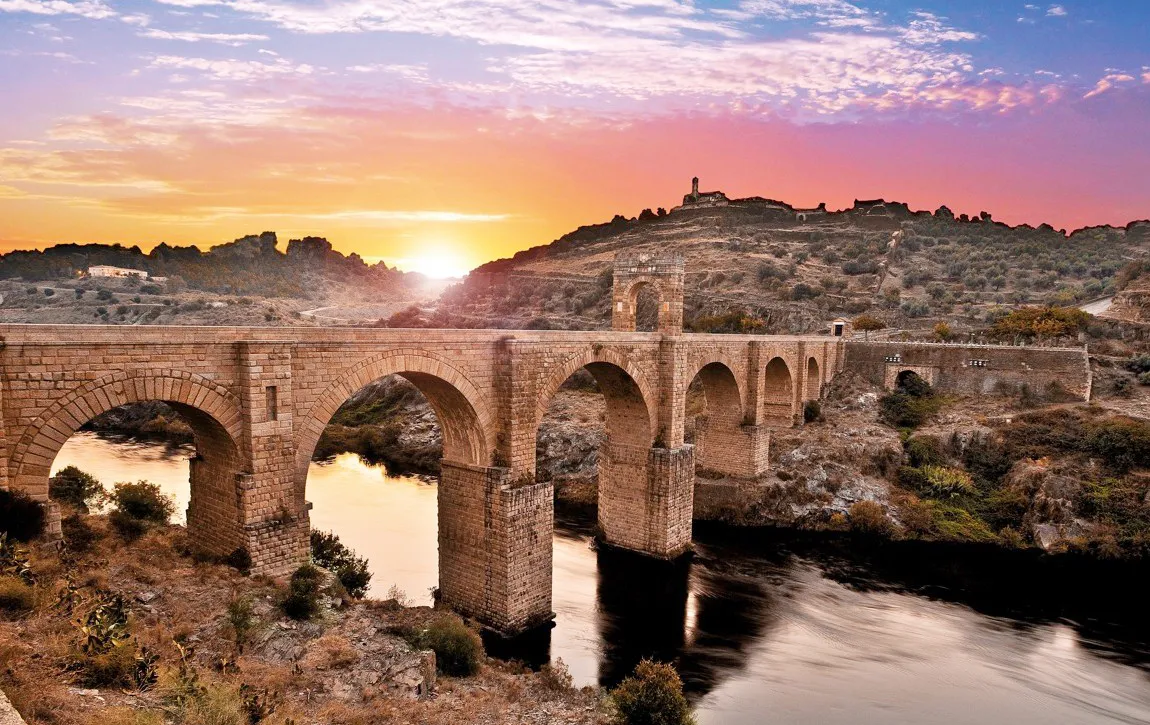
Un puente milenario que cruzó legiones romanas, terremotos y invasores... ¿sobrevivirá a tus selfies?

✓ What guidebooks don't tell you
✓ Secrets other tourists miss
✓ Listen while you explore
Discover everything
00:00
00:00
Rate this audio guide

📖 Audio Guide Chapters

6 chapters

1. The bridge that saved a city from the claws of Mark Antony

🔒 Premium Content

Subscribe to access all chapters of this audio guide.

2. Roman stones with an engineer's trick

🔒 Premium Content

Subscribe to access all chapters of this audio guide.

3. Beneath the arches, passions that set empires ablaze

🔒 Premium Content

Subscribe to access all chapters of this audio guide.

4. The wild fact I would tell you over a beer

🔒 Premium Content

Subscribe to access all chapters of this audio guide.

5. Sharp eyes: marks that shout 'Rome was here!'

🔒 Premium Content

Subscribe to access all chapters of this audio guide.

6. The farewell that changes your walk

🔒 Premium Content

Subscribe to access all chapters of this audio guide.

❓ Frequently Asked Questions

What time does the Butrint Roman Bridge open, and how can we get there to visit it?

The Butrint Roman Bridge is located inside Butrint National Park. The park generally opens at 8:00 AM and closes at sunset (around 7:00 PM in summer and 4:00 PM in winter). You can get there by private car or taxi from Sarandë, or by local bus, which drops you near the main entrance to the archaeological site. Once inside, the bridge is easily accessible on foot as part of the visit.

Do you have to pay to see the Roman Bridge, or is it included in the Butrint ticket?

The Roman Bridge is part of the Butrint archaeological complex, so access is included with the general admission ticket to the National Park. The standard adult rate is usually 1,000 Albanian lek (approximately 8–9 euros). I recommend checking the official website for updated prices: Butrint Albania.

We are planning our visit to the Butrint Roman Bridge. How much time should we allow?

Although the bridge itself is an impressive structure, it is visited as part of the wider tour of Butrint National Park. To fully explore the whole archaeological site, walk to the bridge, and enjoy the surroundings, I suggest allowing at least 3 to 4 hours. If you focus only on the bridge and its immediate surroundings, one hour could be enough, but you would miss much of the site's history and beauty.

What history or significance does the Butrint Roman Bridge have within the context of the National Park?

This bridge is a fascinating testimony to Roman engineering, built to facilitate transport and trade in the ancient city of Butrint. Its construction shows the city's strategic importance and how the Romans adapted their infrastructure to geographical challenges. Although only remains survive today, it speaks of a time of great prosperity and cultural connection.

What is the best time of year or time of day to visit the Roman Bridge and the National Park?

Without a doubt, spring (April to June) and autumn (September to October) are ideal because of the pleasant temperatures and smaller crowds. If you visit in summer, I suggest going early in the morning, right when it opens, or later in the afternoon to avoid the intense heat and the crowds. The light at sunrise or sunset also provides spectacular photographs.

Is the Butrint Roman Bridge accessible for people with reduced mobility or wheelchairs?

Butrint National Park generally presents accessibility challenges because of its uneven terrain and the nature of the ancient ruins. The path leading to the Butrint Roman Bridge may have uneven surfaces and some steps. For people with reduced mobility or wheelchairs, the visit could be difficult in certain sections. It is advisable to contact the visitor center for specific information: +355 69 401 0000.

After seeing the bridge, what other attractions or places of interest are nearby that we can visit?

There is a lot to see. Right next to it, you have all the ruins of Butrint National Park, including the theater, the baptistery, the basilica, and the museum. Outside the park, the city of Sarandë, with its beaches and nightlife, is about 20 km away. You can also visit the Blue Eye (Syri i Kaltër), a natural spring with crystal-clear waters, or the ruins of Ali Pasha Castle in the Butrint lagoon.

Any practical tips or recommendations to make the most of our visit to the Butrint Roman Bridge and the area?

Absolutely. Bring comfortable walking shoes, sunscreen, a hat, and plenty of water, especially in summer. Consider hiring a local guide at the park entrance for a deeper understanding of the history. Also, do not forget your camera—the views are stunning. And remember, always respect the heritage site and do not leave any litter behind.

¿Prefieres escuchar en español?

🇪🇸 Escucha la audioguía de the Butrint Roman Bridge en español