No te vayas sin conocer la historia Suscribete
IAudioGuia iaudioguia
Audio Guides of Agora

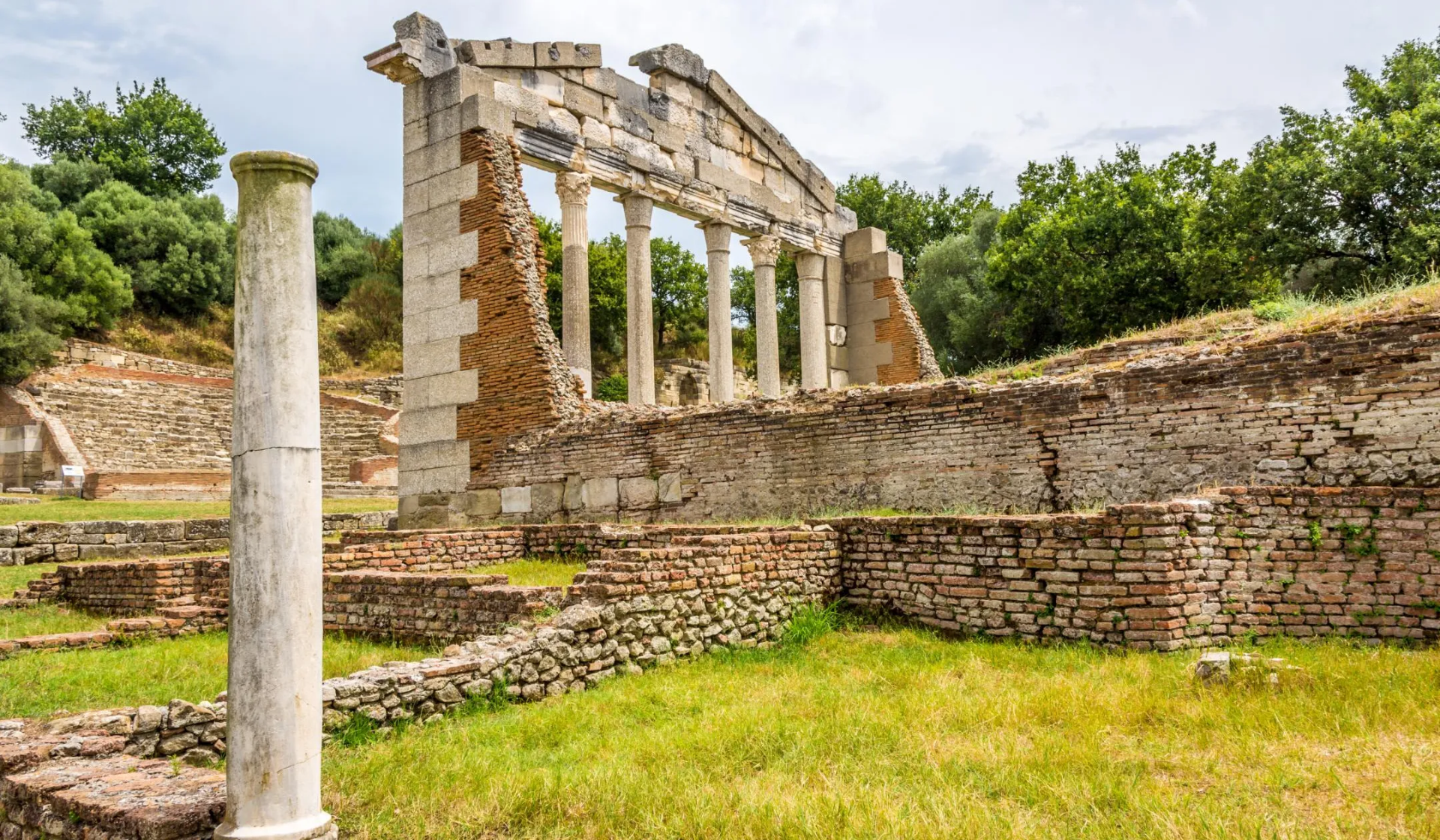
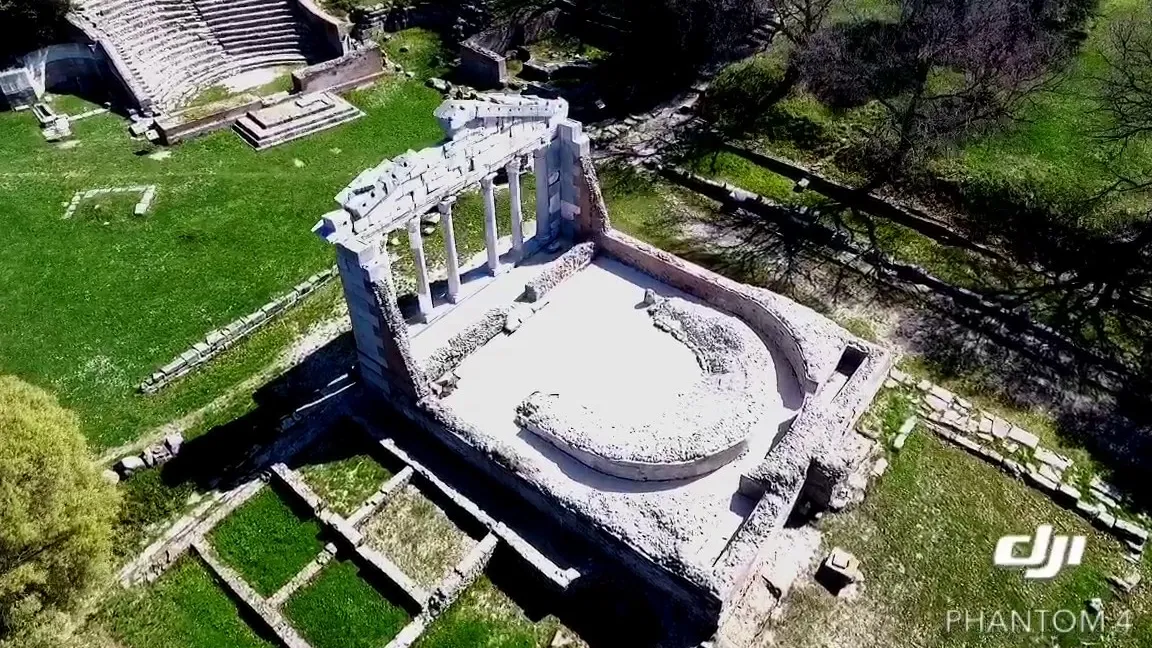
Audio Guide of the Agora of Apollonia

Donde filósofos tramaban revoluciones y terremotos cambiaban el curso de la historia

✓ What guidebooks don't tell you
✓ Secrets other tourists miss
✓ Listen while you explore
Discover everything
00:00
00:00
Rate this audio guide

📖 Audio Guide Chapters

6 chapters

1. The earthquake that erased a trading empire

🔒 Premium Content

Subscribe to access all chapters of this audio guide.

2. The architectural mess of divine jealousy

🔒 Premium Content

Subscribe to access all chapters of this audio guide.

3. The reality show of the ancient world

🔒 Premium Content

Subscribe to access all chapters of this audio guide.

4. The most absurd budget of the 2nd century BC

🔒 Premium Content

Subscribe to access all chapters of this audio guide.

5. The crack that split an empire

🔒 Premium Content

Subscribe to access all chapters of this audio guide.

6. Farewell with philosophy and olive trees

🔒 Premium Content

Subscribe to access all chapters of this audio guide.

❓ Frequently Asked Questions

What are the opening hours of the Agora and the Apollonia Archaeological Park?

The park is usually open every day from 9:00 AM to 8:00 PM in summer and until 4:00 PM in winter. I recommend arriving early to explore the Monument of the Agonothetes and the Odeon at a relaxed pace before the sun gets too strong.

How much does admission to the site cost?

The entrance fee is around 600 LEK (about 5–6 euros) and includes access to the Agora, the theater, and the monastery museum. It is a very affordable price considering the historical richness you are about to experience.

How much time do I need to properly explore the whole complex?

For a complete visit that includes the Agora, the museum, and a walk through the ruins, allow between 2 and 3 hours. If you enjoy history and photography, you may easily stay longer enjoying the scenery.

Why is this place so historically important?

Apollonia was a school of philosophy where Emperor Augustus himself studied. The Agora and its façade, the Bouleuterion, are symbols of Albanian archaeology; learning their history completely transforms the experience, something ideal to pair with an immersive audio guide.

What is the best time of year or day to go?

Spring (April–May) and autumn (September–October) are ideal because of the mild weather. Try to go at sunset; the golden light on the Corinthian columns of the Monument of the Agonothetes creates a magical atmosphere for your photos.

Is the site accessible for people with reduced mobility?

The main access to the museum and the Agora area is relatively flat, but it is still an archaeological site with uneven sections. Wheelchair users can visit the main areas, but it is recommended to go with a companion for certain stretches.

What other interesting places can I visit nearby?

About 30 minutes away by car, you will find the impressive Ardenica Monastery, famous for its frescoes and for being the place where the national hero Skanderbeg was married. You can also take a walk through the renovated center of the city of Fier.

What practical advice would you give me to make the most of my visit?

Wear very comfortable shoes and bring water, as you will do a lot of walking under the sun. To avoid missing the details of what you are seeing, I suggest downloading an audio guide at IAudioguia.com and turning your walk into a journey through time.

¿Prefieres escuchar en español?

🇪🇸 Escucha la audioguía de the Agora of Apollonia en español